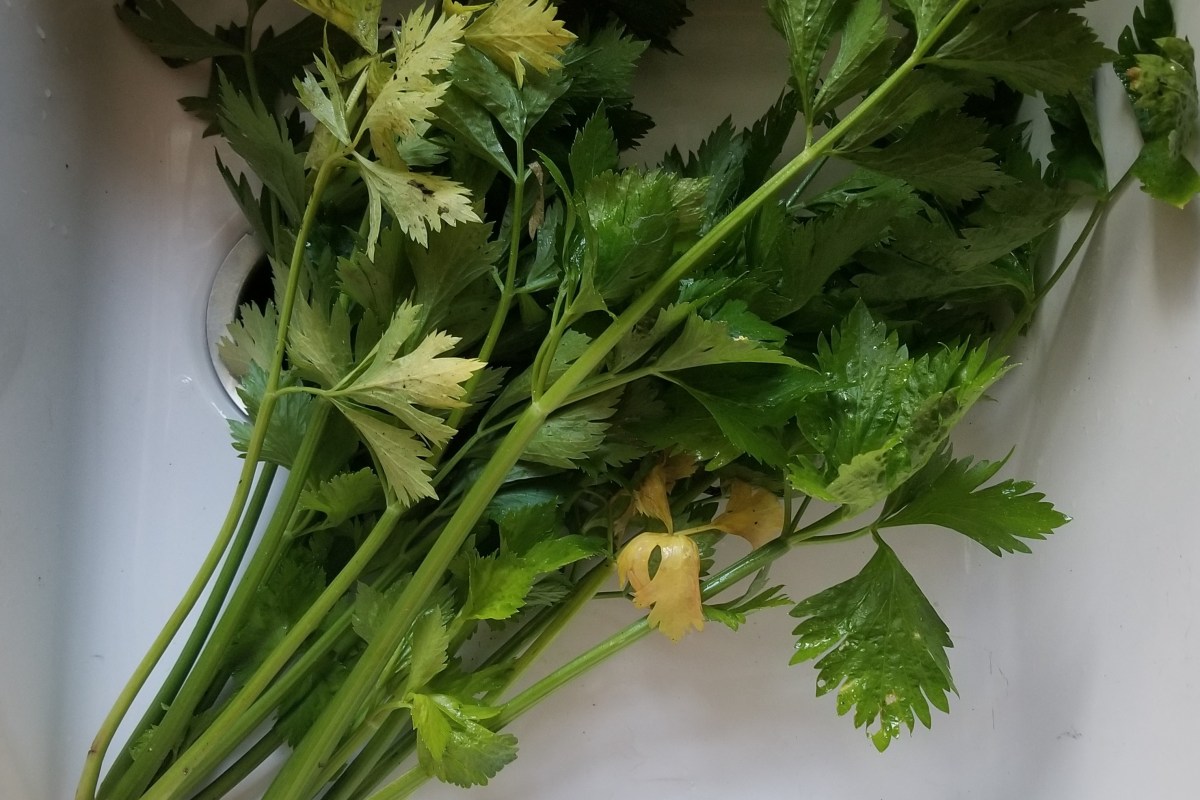
Celery cut from the garden this morning, destined for tuna salad. Don’t let your celery liquefy!
Today is the first ever International Day of Food Loss and Waste Reduction. Let’s celebrate with a small guilt trip, followed by some waste reduction strategies!
The FAO estimates that 14% of food is wasted before it reaches consumers, such as during harvest, storage, and transportation.1 However, their still resides a responsibility for all of us who eat to do our part to respect that which nourishes us.
When that head of celery wilts and rots in the bottom of the vegetable drawer, it is taking with it the soil, amendments, energy, and labor that went in to planting, growing, harvesting, and shipping it into your fridge. Quite a bit of the produce you consume (and most, if you are shopping small and local) is harvested by hand.2 Additionally, you wasted your time and money procuring and storing it.
Likely you intrinsically already know this. It is not a surprise, but you shrug your shoulders at a $1.99 vegetable, now turning to sludge in your wastebasket. It’s the same as they used to say about cigarettes, you are setting your money on fire. And when this all adds up, it is the world that is left to burn under the weight of an eroding ozone layer.
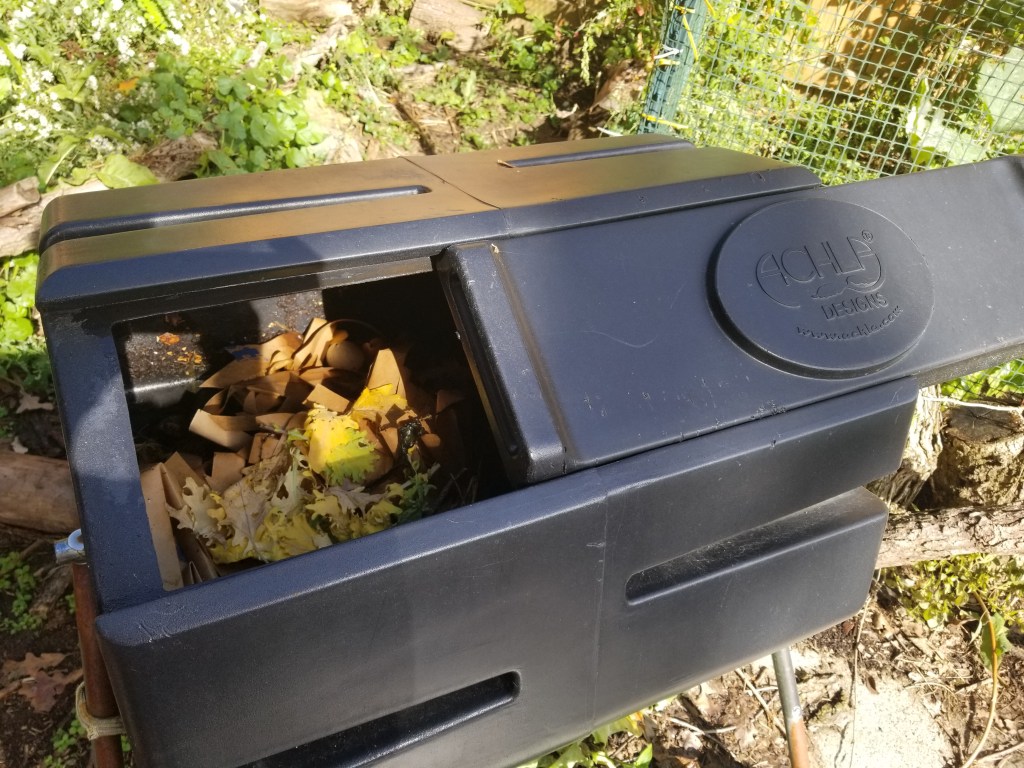
What a nice guilt trip! Find consolation in this photo of my overstuffed compost tumbler:
Here are a few things I personally do at home to minimize our food waste (and ways I need to improve!):
- I get overzealous about supporting local producers and buy Way. Too. Much. Food. Especially in these dwindling days of warmth when I know snow and greenhouse grown greens are all that remain on the horizon. To combat this, each week I am freezing, drying, or canning the bounty I schlepp home from the farmers market. However, one of the benefits of buying local foods is that because they are fresher, they last longer! As much as I pretend, this is not an excuse to buy more than I need.
- Excessively purchased vegetables–here’s looking at you, bell peppers–are washed, cut up, blanched (sometimes), drained and portioned into food saver bags. I ❤ my vacuum sealer. This is how I ensure I have Michigan sweet corn to eat all winter long. This is also a good strategy for produce that is starting to get wilty or that I know won’t get used before it molds.

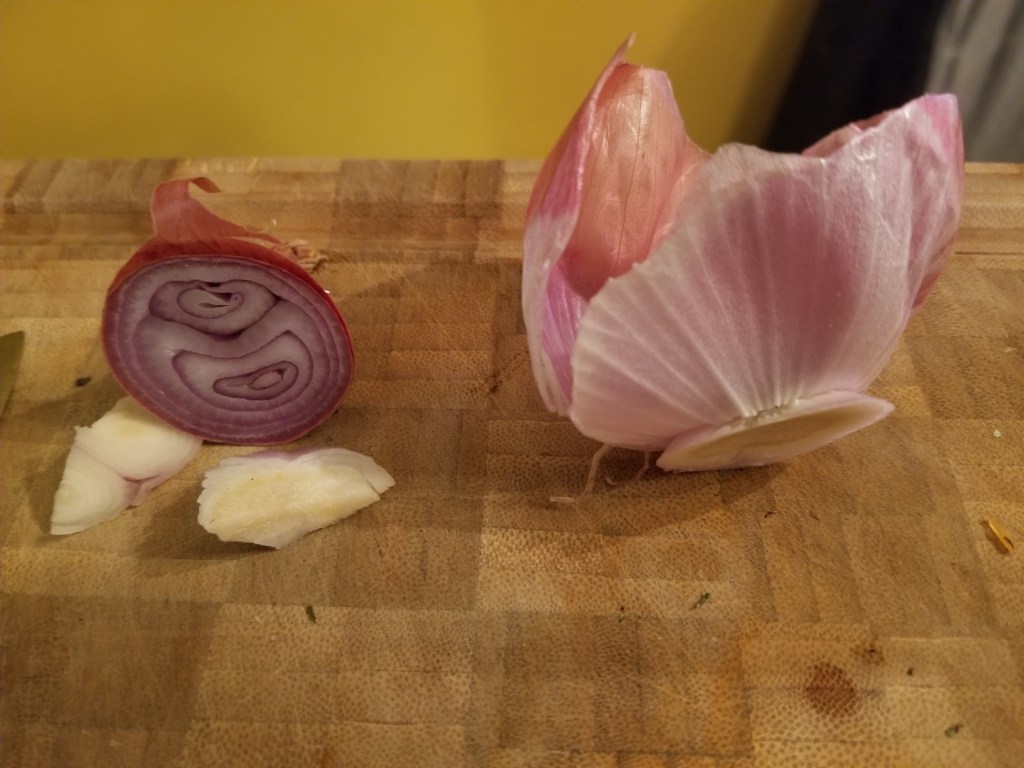
Trimmings headed for compost vs trimmings for stock. The beet ends could have gone either way, but some were starting to mold, so better safe than sorry.
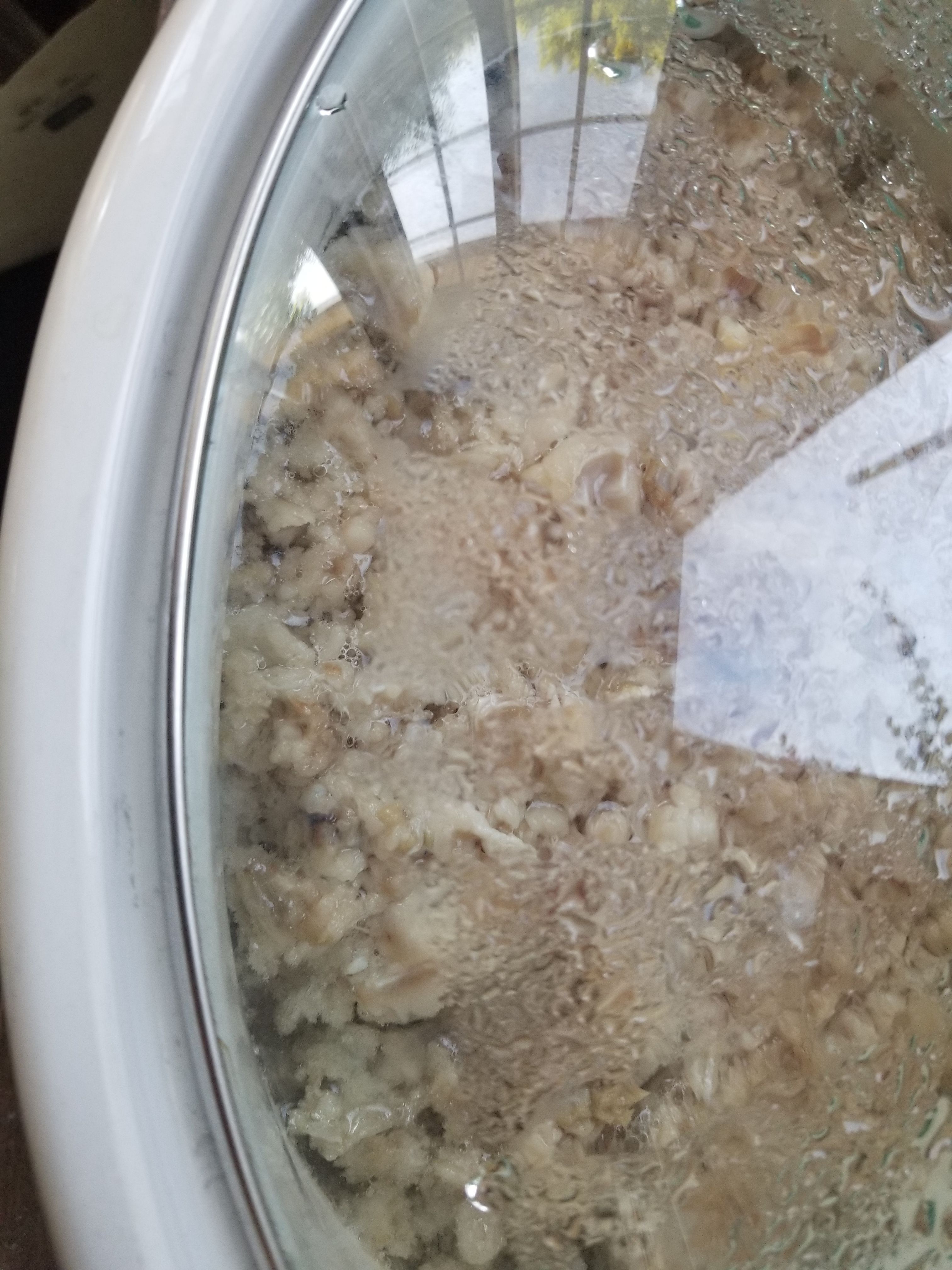
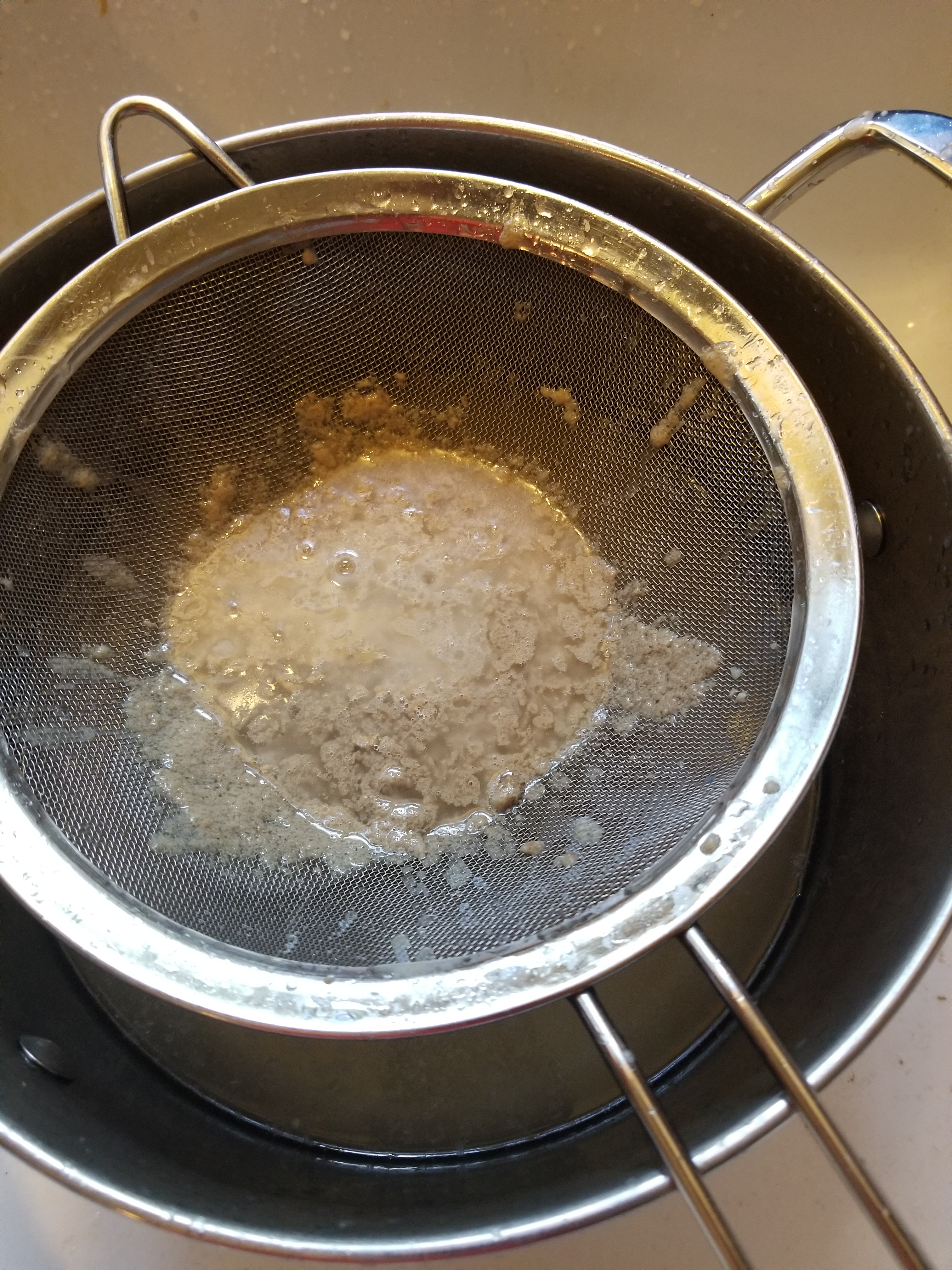
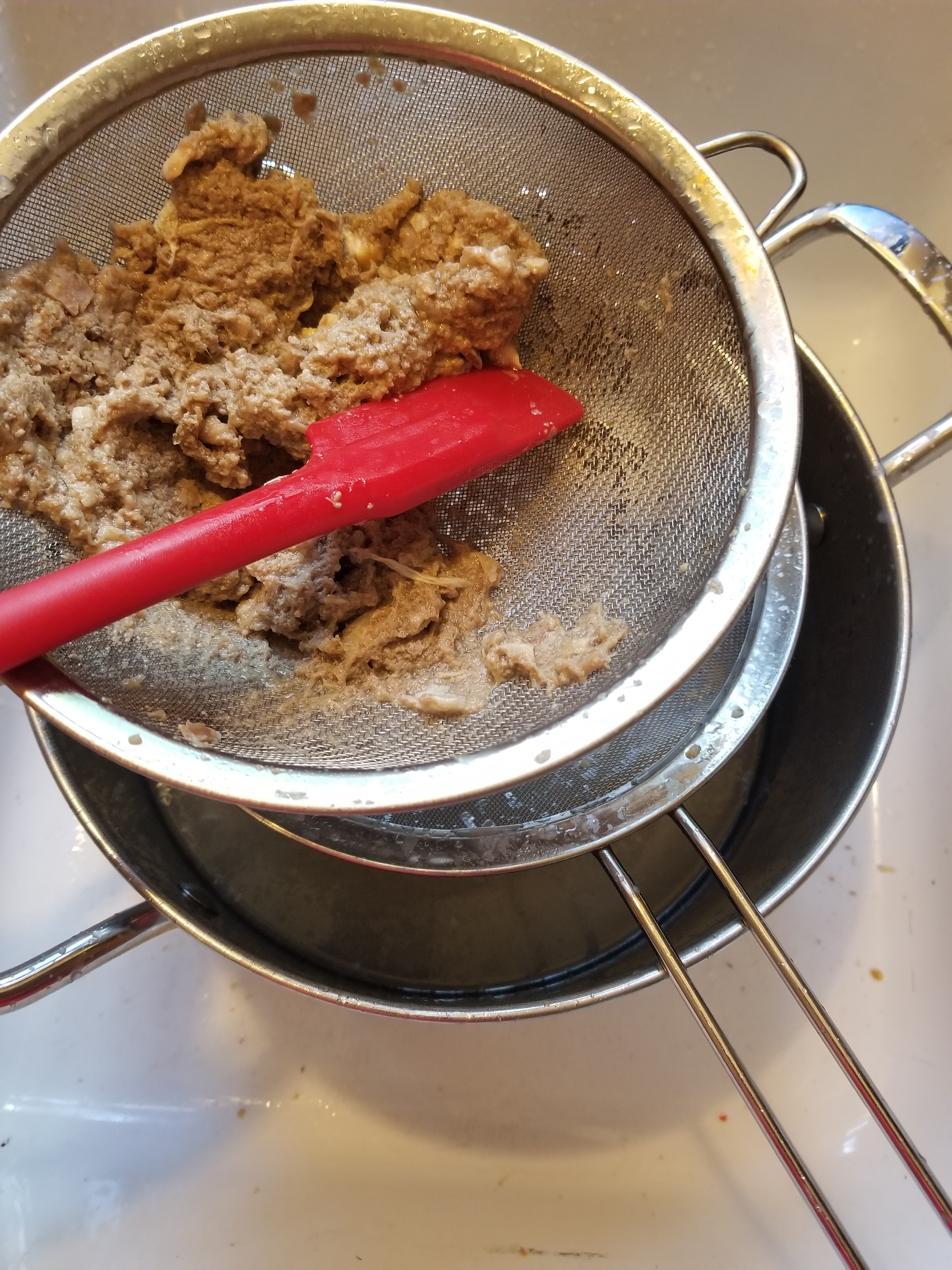
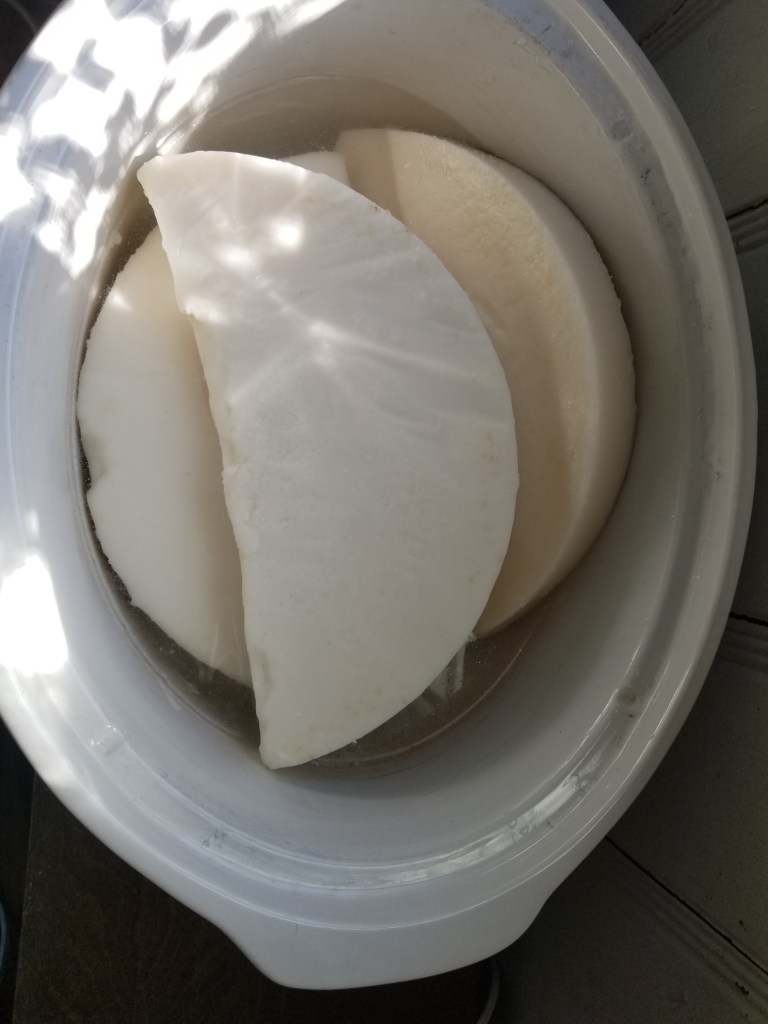
- Trimmings – whether from vegetables or meat, these bits get organized into plastic bags in the freezer door. When full, I dump a bag into a big stock pot (in the cold months) or the crock pot (in the hot months), top with cold water and simmer for hours up to overnight to make stock. This is either used as needed or frozen for later. Note: if I had a pressure canner, I would can this stock to free up more freezer space.
- Compost. Sort of. Produce scraps that don’t go for stock (stems, especially nightshade; rotten bits; moldy, stinky, or slimy), egg shells, and paper bags are the most common items I try to compost. The compost piles are fenced to keep the dogs out, but I have learned that if I put even the most unrecognizable lettuce leaf in, the possums come swarming, then the dogs try to eat the possums… it’s a mess. That means kitchen waste must go in the compost tumbler. The stinky, heavy, unruly compost tumbler that probably should have been emptied years ago and a few times since. I want to be better at composting kitchen scraps (yard waste is easy, just throw it in a pile), but it is admittedly low on my radar. Maybe I should invest in backyard chickens…
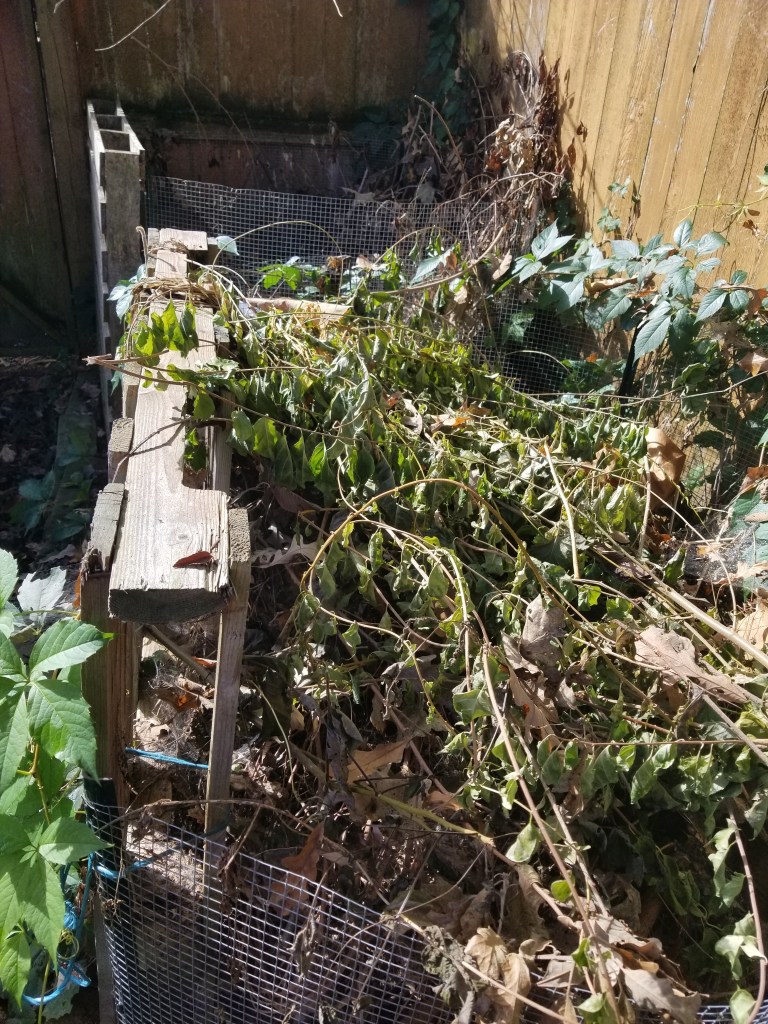
They stopped collecting brush this year due to pandemic under-staffing. Likely my compost piles would have looked this way regardless.
For the Sustainable Food Systems class I am currently taking, one of the required texts was Waste Free Kitchen Handbook by Dana Gunders. It provides a nice overview of ways consumers (that’s you!) can combat waste at home. My favorite part is the “Directory” at the end of the book that describes the best way to eat, store, freeze, or use up different food items from produce to oils. I would love to lend this out to anyone interested, for yourself or someone you know.
- A major step forward in reducing food loss and waste is critical to achieve the SDGs. FAO. http://www.fao.org/news/story/en/item/1238015/icode/. Published October 14, 2019.
- Labor: US Fruits and Vegetables. Rural Migration News.
https://migration.ucdavis.edu/rmn/more.php?id=1596. Published January 2011.




 Eat - Drink - Both