Pakoras

Indian spiced vegetable fritters.

The perfect recipe for transitioning seasons. As we slowly roll from spring into summer, the kale and radishes are still coming in strong. I love these dipped in just about any sauce, but they go great with tamarind chutney, hummus, lemon tahini dressing, or the included recipe for mint yogurt sauce.

This recipe makes a bunch and they heat and crisp back up nicely in the oven or toaster oven. They also freeze really well, so this is a nice make ahead freezer meal. There’s a lot of room to play around with the recipe, do what feels right for you.

I prefer using a food processor to shred the vegetables, but if one is not available to you this can be accomplished with a sharp cheese grater.

Mint Yogurt Sauce Ingredients

  • 2 tbsp minced fresh mint
  • 1/2 cup plain yogurt
  • 1 tsp minced fresh garlic
  • 1/4 tsp salt

Pakora Ingredients

  • 1 bunch kale, rinsed, stems discarded, leaves diced
  • 1 bunch radishes, rinsed, greens removed*
  • 1 onion
  • 1 tsp ground turmeric
  • 1/2 tsp curry powder
  • 1/2 tsp ground cayenne
  • 1/2 tsp salt
  • flour**
  • canola oil, for frying

Combine sauce ingredients and allow to marinate in the fridge while you make the pakoras.

Place the diced kale in a large bowl and set aside.

Heat a large, heavy-bottomed skillet with enough oil to coat up to about 1 cm. Remember, the hotter your oil, the less the fritters will soak up. But this is a balance because you do not want your oil to smoke – watch for wavy lines to indicate heat or use a thermometer if you have it and try to keep the oil around 250-300 degrees.

Cut the onion in half, peel, and chop each half roughly into 1-2 inch chunks. Use the shredder blade for the food processor to grate the onion, followed by the radishes.

Add the shredded onion and radish to the diced kale. Add turmeric, curry powder, cayenne, and salt to the vegetable mixture and stir well to combine.

Add the flour, 1/4 cup at a time, stirring until it is no longer visible. Continue to add flour bit by bit until your mixture comes together and can be formed into balls between two spoons.

Another way to tell it is a good consistency is if you lift a spoonful in the air, the batter does not slide off.

If you find it is too dry, simply add a little bit of water.

Super chef secret tip: Once you are ready to start frying the pakoras, add only ONE small one to the hot oil. Once it’s nice and ready, let it drain and give it a taste. This will let you adjust the seasoning for the rest of the batch as needed. I almost always add more salt.

Using two dinner spoons, shape pakoras and add to the hot oil. When you can see the edges brown, they are ready to flip. The photo below is NOT ready to flip!

Remove fried pakoras from the pan and allow to drain on a paper towel lined plate.

Serve warm with the sauce of your choice and enjoy!

*radish greens are totally edible, I always dice them along with the kale. They have a very mild taste and the fuzzy/prickly feel of them is lost when they are cooked.

**If I have it on hand, I use chickpea flour (sometimes also call besan or gram flour), if not I like to use whole wheat. Using chickpea flour makes this recipe both vegan and gluten free. I have found that the biggest difference between the two flours is in the leftovers. If you use chickpea flour, I recommend only eating the leftovers reheated, otherwise the texture cold is quite unpleasant. However, if you use whole wheat flour, I think the cold leftovers are just dandy.

Tahini lemon goddess style dressing

This recipe features wild onions grown on our farm!

With rising grocery costs, sometimes it makes sense to produce your own version of pantry staples. There’s pretty much only one kind of dressing that I like, which around these parts is over $5 a bottle… and I’ve never met a dressing that I liked that much. Luckily, it is easy to throw together with other pantry staples I always have around.

This recipe is super easy to substitute what you may have on hand – I’ll put a reference list at the end!

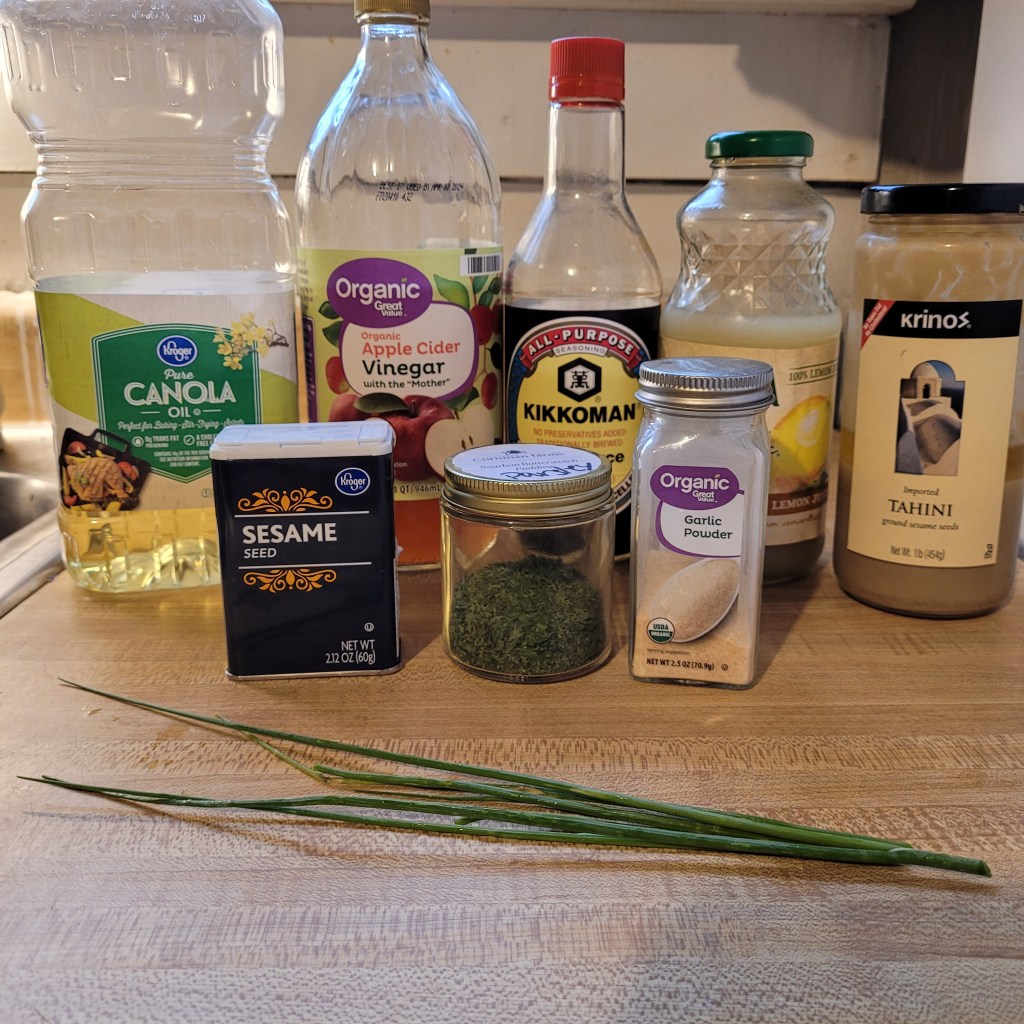
Please note: the above photo is not a brand or product endorsement, these are simply the actual items I currently own.

Tahini Lemon Dressing – makes approximately two cups (about 16 servings of 2 TBSP)

Ingredients

  • 1/4 cup canola oil
  • 3-4 TBSP tahini (thick – see notes)
  • 2 TBSP apple cider vinegar
  • 2-3 TBSP lemon juice
  • 1 tbsp soy sauce
  • 1 tbsp minced wild onions
  • 1 tsp garlic powder
  • 1 tsp sesame seeds
  • 1 tsp dried parsley

Really, really, really finely mince your wild onion greens. Make the tiniest circles possible. I like to cut them on a bias to be “fancy”.

No specialized equipment necessary for this recipe. I put it all in a 4 cup measuring cup and whisk until combined. Give it a taste and adjust any ingredient you see fit. If the texture/thickness is to your liking, you’re done! I typically add a tablespoon or two of water to get it how I like it. Put it in a container of some kind and use immediately or refrigerate.

A few notes:

  1. This dressing is supposed to be thick. Tahini naturally separates into solid and oil. Knowing this, I recommend pouring off the oil on top (save it to add back in to the tahini jar) and using the nice, thick slugdey bits from the bottom of the jar. This is compensated for at the end when you add in water until the dressing is the consistency you prefer.
  2. This is meant to be customized to YOUR taste! I err on the side of more lemon and more tahini. If you think it is lacking in salt, add a dash more soy sauce until it tastes right to you.
  3. If you’re not a big garlic person, start with half, or leave it out! You need to make food you like so that you eat it.

Substitutions

  • use whatever oil you have and enjoy if canola isn’t your jam
  • tahini probably should stay tahini, but cashew or sunflower seed butter could definitely work here
  • white or sherry vinegar in place of apple cider vinegar (you could use a little less even)
  • if you have gluten concerns but aren’t vegan, worcestershire sauce could easily replace the soy sauce, but start with half as much
  • you could use chives or green onions in place of the wild onions, either fresh or dried
  • sesame seeds and parsley are the most optional ingredients, they won’t really make or break the dressing (but I like them in there, a lot!)

Also, if I haven’t shared this kitchen hack before: if you have a recipe that calls for fresh parsley and you have to buy a bunch from the store, dry the rest! Most recipes call for a few tablespoons, at most, and drying it is not only an easy way to save on wasting the rest, but it is so cost effective!

Stuffed Acorn Squash

Elevating a tried and true cold weather meal, the following recipe for Teriyaki Tofu Stuffed Acorn Squash will give you the opportunity to learn new skills, practice techniques, and master a new sauce for your arsenal.

Teriyaki Sauce – this will keep, unadulterated, for up to three months in the fridge.

  • soy sauce – any variety, any brand. Low sodium is fine. If you are gluten-free, soy is notoriously not, check the ingredients label diligently!
  • mirin – high sugar, low alcohol content rice wine. What I’ve been able to find easily is “aji-mirin” which is basically a cheap alternative, but it works!
  • dark brown sugar – yes, light brown sugar will work just as well, but I prefer the deeper molasses taste from dark brown sugar (always)

Combine the above in equal amounts. If you aren’t sure that you will like the final product, start with 1/4 cup of each and a very small sauce pan. Over medium heat, stir continuously until the sugar has dissolved. Bring the heat up to medium-high, stirring and scraping down the sides of the pot occasionally until it has come to a boil. Turn the heat down to medium-low and simmer, stirring occasionally until it has reached your preferred sauce consistency. Err on the side of too thick as the moisture from whatever you toss in your sauce will thin it.

This sauce can be dressed up with minced fresh ginger and/or garlic. Store leftovers in a lidded contained in the fridge. If you have added any ingredients beyond the initial three, I would recommend using leftovers within a week. I like to make a batch of rice at the same time as a base for quick and easy savory breakfast. Toss with some vegetables (raw, roasted, sauteed) and your favorite protein. You can even dress it up with a fried or soft boiled egg.

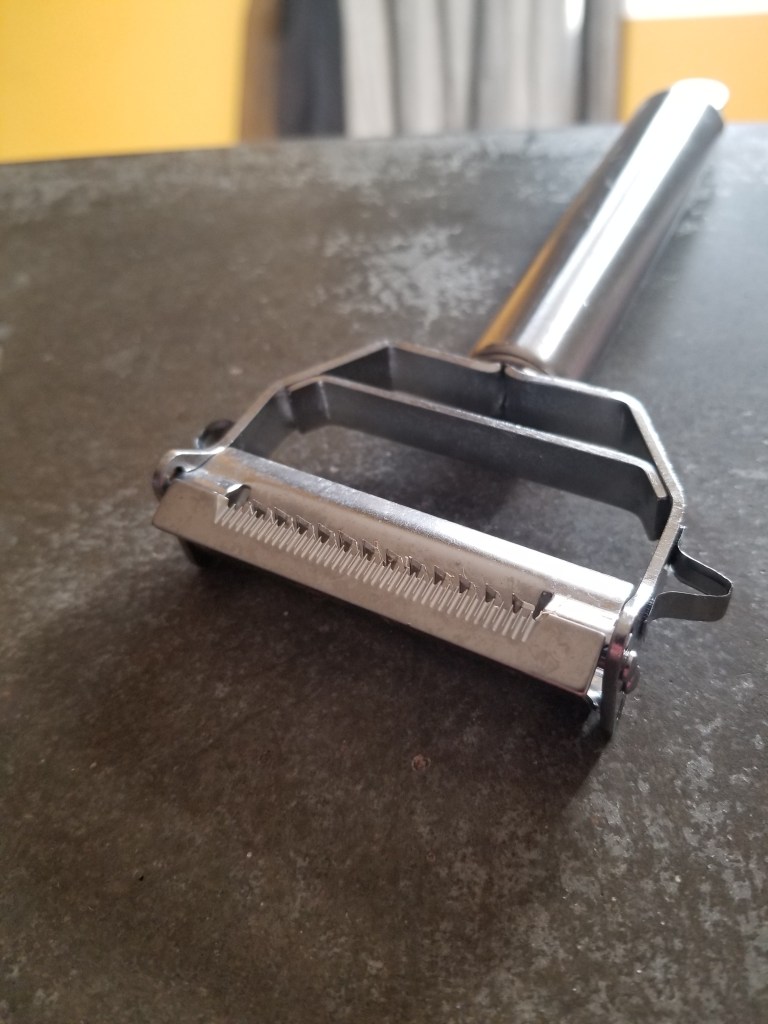
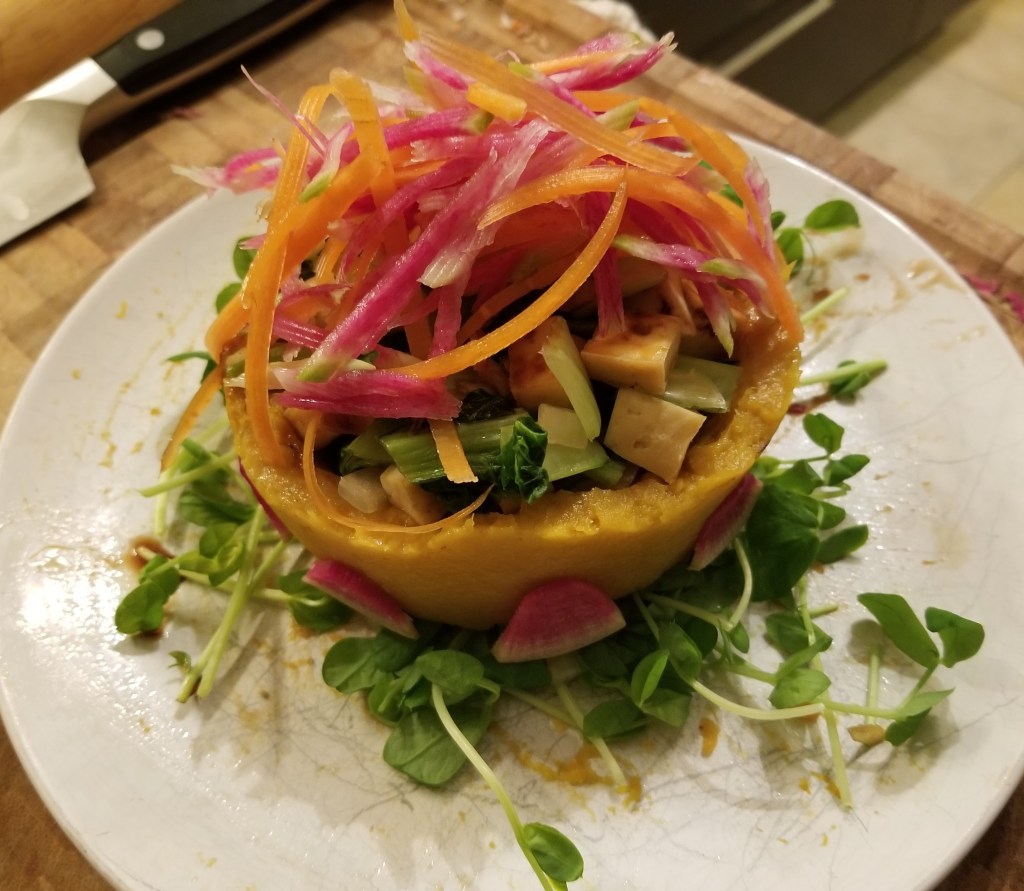
We are a household full of kitchen gadgets, but one thing we have so far gone without is a spiralizer. Maybe this dish would have been cuter topped with a vegetable nest, but these super easy matchstick veg can be made with the pokey side of your vegetable peeler. This goes for anytime you want matchsticks without the agony of hand cutting them, such as coleslaw. Use the peeler as normal, but pokey side to your vegetable. In this case, I used both carrot and watermelon (daikon) radish. After matchsticking, I placed the veg in a bowl covered with cold water and into the fridge. This keeps them crisp for days.

To roast acorn squash:

  • preheat oven to 400°F
  • halve squash from stem to tip, scoop out and discard the seeds and stringy goopy bits, and generously coat both halves inside with oil (olive, canola, or vegetable are fine) and sprinkle with salt and pepper.
  • place squash on pretty much anything oven safe with low sides, cut side up
  • roast, basting the squash with oil that has dripped off the edges into the “bowl” a few times, until the flesh is easily pierced all the way through with a fork.
  • ** if you prefer not to use so much oil: lightly oil a baking sheet, place the squash inverted – cut side down – onto the baking sheet. This way, it will steam itself.

For crispy tofu:

This trick was learned through trial and error. While I LOVE fried tofu, I despise frying things. It takes a lot of oil, it’s messy, the clean up sucks, and me and the house smell like used oil all day. Yum… Instead, try this:

  • Start with extra firm tofu. If you have a tofu press, skip to the next step, if not: Remove from the packaging and dry with a tea towel. Wrap the tofu in a different tea towel, and then another fluffier towel. [note: any kitchen towels are fine, I like to use not fluffy ones for touching the tofu. If this makes you uncomfortable and lint-fearing, wrap the tofu in a piece of paper towel first before layering in cloth]
  • Place the tofu on a flat surface. Top the tofu with heavy stuff. Things I have previously used: multiple large cookbooks, bricks/stones, Kitchenaid stand mixer, bowl full of potatoes… use your imagination, but make sure the heavy things will not topple or if they do that they are not breakable. I like to use the back corner of my countertop where the weight can be supported on two sides by the walls. As the tofu settles, the weight will likely shift and may even fall off. Leave for 30 minutes up to two hours.
  • Remove weights and wrapping, and slice the tofu vertically into ~ 1/2 inch slices. Lay the slices directly on the rack of either a toaster oven or full size oven (depending on the spacing of the rails on your racks, you may need to finagle this a bit). Turn the heat on to 350-375°F and bake until evenly, lightly browned, approximately 25 minutes. Turn off the oven, prop the door open and let cool slightly before removing.

This crispy tofu will pair perfectly with the rice and teriyaki sauce awaiting you for breakfast. I like to eat it exactly as is or slice it further into strips for use in salads or wraps.

To beef up this stuffed squash, I sauteed some wilting bok choy, totsoi, and onions, which I tossed with the cubed, crispy tofu.

This can easily be served in the squash, as is, straight from the oven. To make it look fancier, I used a circular mold to create a roasted squash “bowl”, set atop some local pea shoots. I filled this with the tofu veg mixture, drizzled on some teriyaki sauce, topped with matchstick carrots and watermelon radish. The combination of different textures and flavors of seasonal, local vegetables was delightful and can, of course, be adapted with whatever you have on hand.

Recipe: Thai Chanterelle Coconut Rice

Enjoy this latest recipe creation lightly adapted from Moosewood Restaurant. Keep scrolling to find the bloggy bit where I talk about jasmine rice and oyster mushroom heartache.

Ingredients for 4-6 servings:

  • 1 13.5 oz can of coconut milk, divided
  • 4 tbsp lime juice, divided
  • 1 tbsp minced fresh basil
  • 1 tsp minced fresh cilantro
  • 1 tsp sugar
  • 2 tsp canola oil, divided
  • 3 small chiles, seeded + minced, divided
  • 1 1/3 c long grain white rice
  • 1 1/4 c boiling water
  • 2.5 tbsp kosher salt, divided
  • 1 red bell pepper
  • 1 orange bell pepper
  • 1 pint green beans
  • 1 tbsp unsalted butter (optional)
  • 1 tsp grated fresh ginger
  • 2 garlic cloves
  • 10-14 oz chanterelles, sliced into bite size pieces (or white oyster mushrooms)

First, bring 1 1/4 c water to a boil. While waiting on the water to heat, make the dressing by combining 1/4 c coconut milk, 3 tbsp lime juice, minced basil + cilantro, and 1 tsp sugar. Whisk vigorously ~2 minutes until sugar is dissolved. Alternately, you could combine all ingredients in a lidded container and shake vigorously for ~2 minutes.

In a medium sized (roughly 1.5-2 qt) lidded sauce pan (probably the one you usually cook rice in if you don’t have a rice cooker), heat 1 tsp canola oil over medium heat. Add two thirds of you minced seeded chiles and 1 1/3 c long grain white rice (jasmine works too), stir in with the hot oil and continue stirring and cooking over medium heat for 1-2 minutes–the chiles should start to be fragrant. Add the 1 1/4 c boiling water, 1/2 tbsp kosher salt, and 3/4 c coconut milk. Stir and bring to a boil uncovered over high heat. Once boiling, cover and reduce heat to lowest setting. Cook for 15-20 minutes until the liquid is completely absorbed and rice is fully cooked. Fluff with a fork and set aside.

While the rice is cooking, bring a few cups of water to boil in a large lidded pot. Slice bell peppers into 1-2″ long batons and cut green beans into simliar sized pieces. Once the water is boiling, add 1 tbsp kosher salt and sliced bell peppers. Return cover and boil 1-2 minutes. Remove peppers with a slotted spoon and place in serving bowl. Once the water has returned to a boil, repeat the process with the green beans, starting with adding another tbsp of salt. [The dish can be served hot or cold, and I think this lazy blanching without an ice bath is so nice].

Add the remaining tsp of canola oil to a pan over medium heat. Add the remaining minced chiles, ginger, and garlic, cooking 1-2 minutes until fragrant. Add the optional 1 tbsp unsalted butter and mushrooms. Saute mushrooms over medium heat until softened and lightly browned. Add the remaining tbsp of lime juice and toss to coat. Freeze remaining leftover coconut milk for up to three months.

Two options to serve: combine all vegetables and serve alongside coconut rice drizzled with dressing. Equally as good, but slightly less visually pleasing: combine rice and vegetables, toss with dressing and enjoy. Optional (but you probably should) toppings include microgreens and crushed cashews.

The chiles I used are called lemondrops. I purchased them last year at a farmer’s market in Madison, WI. The vendor told me they were not heirloom, but I saved the seeds anyway to see what would happen. To my delight, they are such beautiful and productive plants! Hotter than a serrano, thin fleshed, bright yellow when ripe with a slightly citrus aroma.

Another decadent option would be to roast either one or both of the bell peppers for a subtle flavor, textural, and visual change. I roasted one of the peppers the first time I made this and would absolutely do it that way again.

This makes a very rice forward dish, which is great for cooking on a budget or feeding a large crowd. Personally, I prefer a higher vegetable:rice ratio, which is why I added sauteed zucchini to my leftovers. As always, feel free to experiment. Increase the amount of listed vegetables. Add more vegetables: leafy greens (spinach, chard, or kale), onions, broccoli, bamboo shoots, water chestnuts, or sprouts would be great here. Seasonal variations could include swapping in peas and asparagus in the spring time.

To increase protein content, but keep it vegan I would use either extra firm tofu or tempeh with this dish. If that is not a dietary concern, baked chicken, pork, or salmon would be my top choices.

Mushrooms are one of very few sources of dietary B-12 not derived from animal products. B-12 is an essential vitamin that is involved in metabolism and energy pathways. For more information, check out the NIH.

We ordered a CSA for the week, that upon pick up came with a free 12 oz of white oyster mushrooms! I was too excited about free food to remember where they came from, but they were definitely foraged, not commercially grown. Having this addition to our box is what led me to this recipe idea. My heartache with this dish began when my curbside grocery pick up order did not include the jasmine rice I bought just to make this. It probably would have enhanced the flavor a little bit, but we did not miss it. The second heartache came when the entire dish was prepared except for the mushrooms. When I went to cut into them, I realized they were full of holes. Burrowing holes. Having grown up with a father who loves mushroom hunting, I knew what this meant before I cut in. I thought, “Maybe it’s okay. Maybe it is just a little bit.”

It was not a little bit. It was a whole lot of large squiggly… fly larvae and I’m horrified for whoever else received this “gift” without knowing it could be a possibility. Luckily for me, my partner reminded me we had frozen mushrooms my dad had previously gifted us. A sandwich bag of chanterelles saved the day! This is especially pleasing as they are the only mushroom I would choose to eat. [Free is my favorite flavor, which is why I was willing to give the oyster mushrooms a spotlight].

Let me know if you try this out or what other changes you think would be good!

Black Beans + Recipe

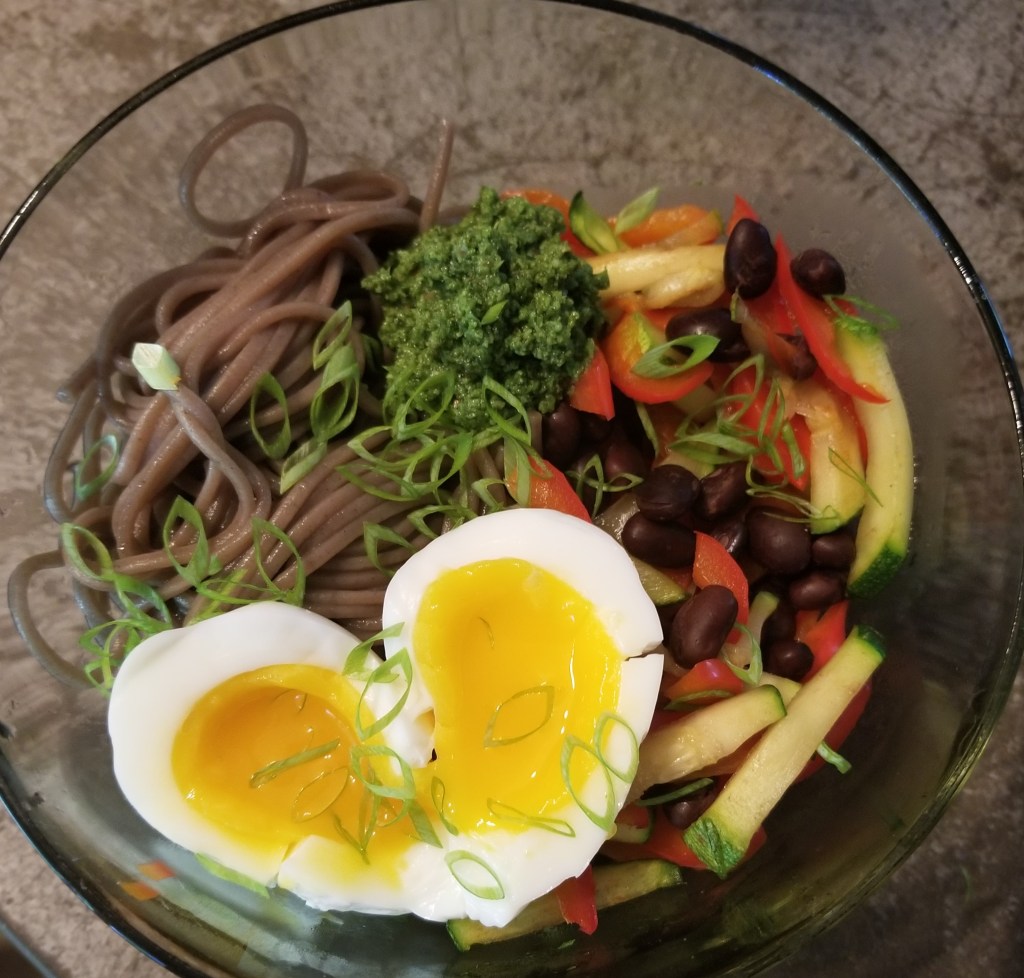
To begin: Soba Rainbow Pesto Bowl Recipe, page 19.*

My friend Amanda and I entered this Food Safety Recipe Contest. She had the finalist recipe in the Food Blogger category! My recipe made it in as an honorable mention, save the best for last some would say… I’m joking, only because my recipe and then my face are the last in the cookbook. This recipe is typical of something I would make for breakfast and is also gluten free; leave off the egg and parmesan in the pesto for our vegetarian and vegan friends!

In approximately 2010, my friend Jen rented her first (I believe) community garden plot in her neighborhood. I remember reading (in a blog? on Facebook?) about her joy in growing black beans. I eat black beans, but it had never occurred to me that I could grow my own. Michigan is, in fact, the second largest producer of beans, but number one in the nation in terms of black bean production!

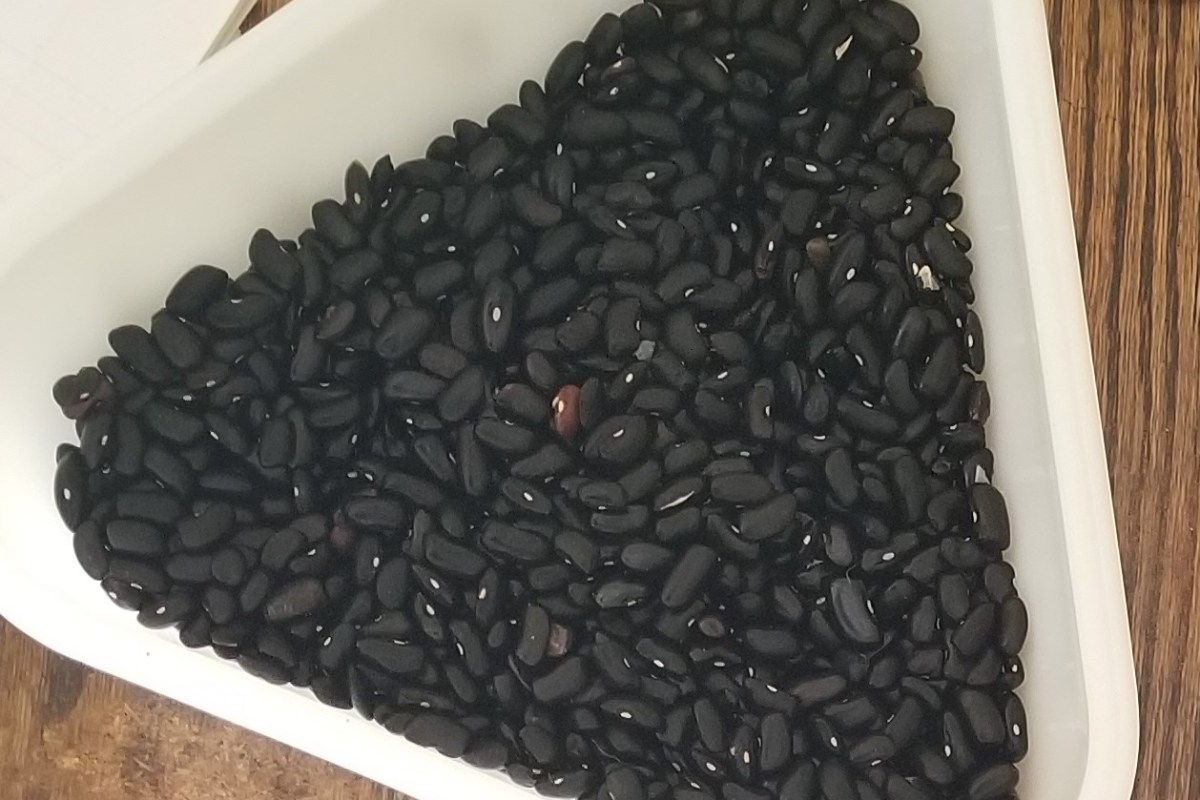
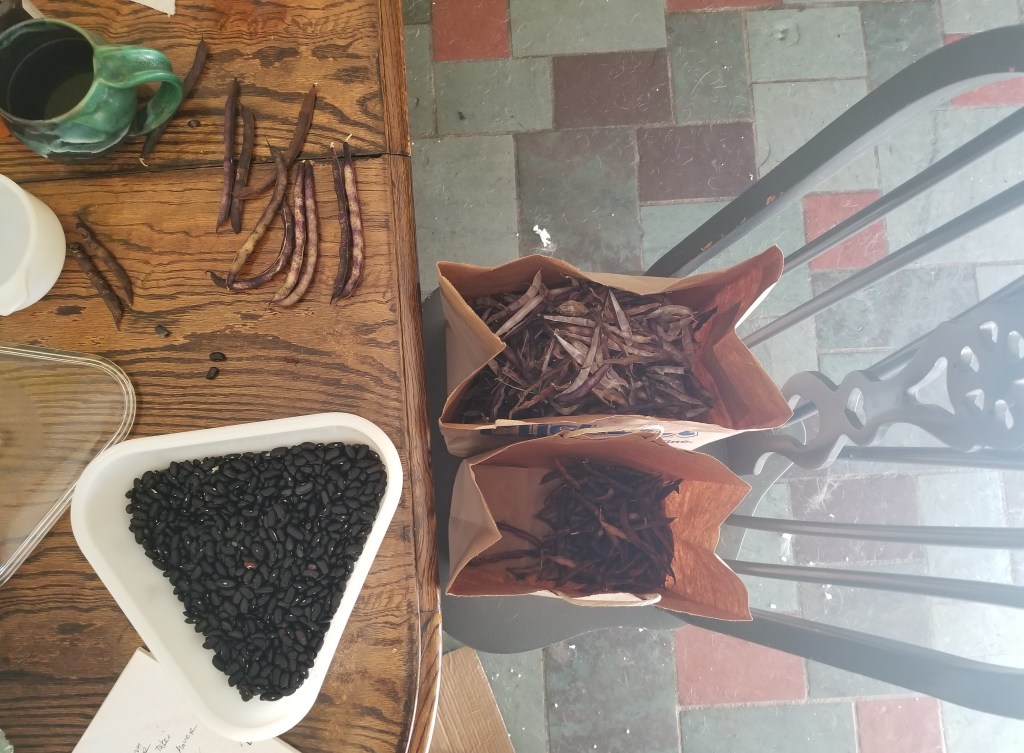
One bag waiting to be processed, the other for shells that make an excellent “brown” addition to compost (see previous post). The set aside beans are being saved as seeds for next year’s crop.

I am still stunned every year that I am able to grow protein. I think it is just the bees knees. Not just any protein, but heirloom that can be stored at room temperature for at least a year! My most favorite gardening task is shelling black beans, I look forward to it all year long.

I got a little over-zealous in my planting this year, much to the chagrin of the tomatoes. I really though the beans would climb the tomato cages and instinctively *know* to get out of the way to allow sunshine to reach the budding tomato plants. On the one hand, I grew enough black beans to last us a whole year. On the other, I produced roughly a quart of roma tomatoes and two slicing tomatoes. There was roughly double that, but they were carried away off the plants before ripening. I’m blaming the squirrels.

Beans are so easy to grow, can be a great project for children, AND help fix nitrogen in the soil. Win, win, win. Do you have a favorite type of beans?

*Here is an easy to copy + paste version of the recipe:

Ingredients

Pesto:

1 bunch sorrel*

¼ c raw almonds

2 cloves garlic

2 tbsp grated parmesan

1 tbsp lemon juice

2 tbsp olive oil

½ tsp cayenne

salt + pepper, to taste

Bowl:

1 bundle (345 g) buckwheat soba noodles

1 tbsp olive oil

1 c zucchini, sliced into batons

1 c red bell pepper, diced

8-10 cherry tomatoes, quartered

2 large eggs

1 c black beans, drained + rinsed

1 green onion, thinly sliced

*If sorrel is unavailable, substitute spinach, basil, parsley, or a combination. Extra pesto will keep tightly covered in the refrigerator for seven days, or freezer for up to three months.

Directions

1. Wash hands with soap and water.

2. Gently rub sorrel under cold running water. Tear into bite size pieces and place in food processor.

3. Add remaining pesto ingredients to food processor. Run for 5-10 minutes or until combined into a paste, adding more oil as needed.

4. While the food processor is running, bring a large (6 cup) pot of water and a smaller (4 cup) pot of water each to a boil.

5. Turn off food processor and taste pesto. Season with salt and pepper as needed, processing well after each addition. Cover and transfer to refrigerator.

6. Scrub zucchini with clean vegetable brush under running water. Slice into 1” long batons.

7. Scrub red bell pepper with clean vegetable brush under running water. Dice the red bell pepper.

8. Gently rub cherry tomatoes under cold running water. Cut in half and in half again (quartered).

7. Concurrently, heat olive oil in skillet over medium-high heat. Add zucchini and red bell pepper; stir-fry 2 to 3 minutes, then add cherry tomatoes and black beans. Cook until vegetables are fork tender and slightly browned.

9. Once the large pot of water has reached a boil, add buckwheat soba noodles. Stir occasionally, cooking for 8-10 minutes until fully cooked.

11. Drain and rinse buckwheat noodles. In a large bowl of cold water, “wash” the noodles, rubbing them between your hands. Change water up to three times as needed until mostly clear.

10. To the small pot of boiling water, add both eggs in shell, cover, and reduce heat to medium-high. Wash hands with soap and water after handling raw shell eggs. Cook for 6 minutes to an internal temperature of 145°F. Transfer eggs to a bowl of ice water and peel.

Assembly:

1. Evenly split the buckwheat soba noodles between two large bowls. Top each bowl with half of the vegetable mixture, 1 tbsp prepared pesto, an egg, and garnish with thinly sliced green onion. Enjoy immediately.