Cultivating Kindness

I would never tell someone they weren’t gardening well enough, but remind myself of this daily. I often forget to find joy instead of seeking productivity.

Many years ago, I was leaving from work to forage for wild raspberries. It was my first time that year and I lamented to my friend David, “What if the raspberries aren’t ready yet?” The spot was 25 minutes in the opposite direction of home, the brambles a good 30 minute walk into the woods. He looked at me incredulously and stated, “Then you had a nice walk in the woods,” as if it were the most obvious thing. It took me back and I stood mouth agape for a few moments as I realized a different, a better, perspective to what I had perceived as a task, as an objective to be accomplished.

As frustrating as it is, this is something I still remind myself of at least weekly. Separating worth from productivity is a daily struggle, especially when “relaxing” for me is still a form of doing: reading, repotting, cooking, weeding, cleaning… The “lower level” tasks that are more automatic, things are still being accomplished, but I don’t have to think too much. Lines are crossed off a to-do list, it is easier to feel like my time is not wasted.
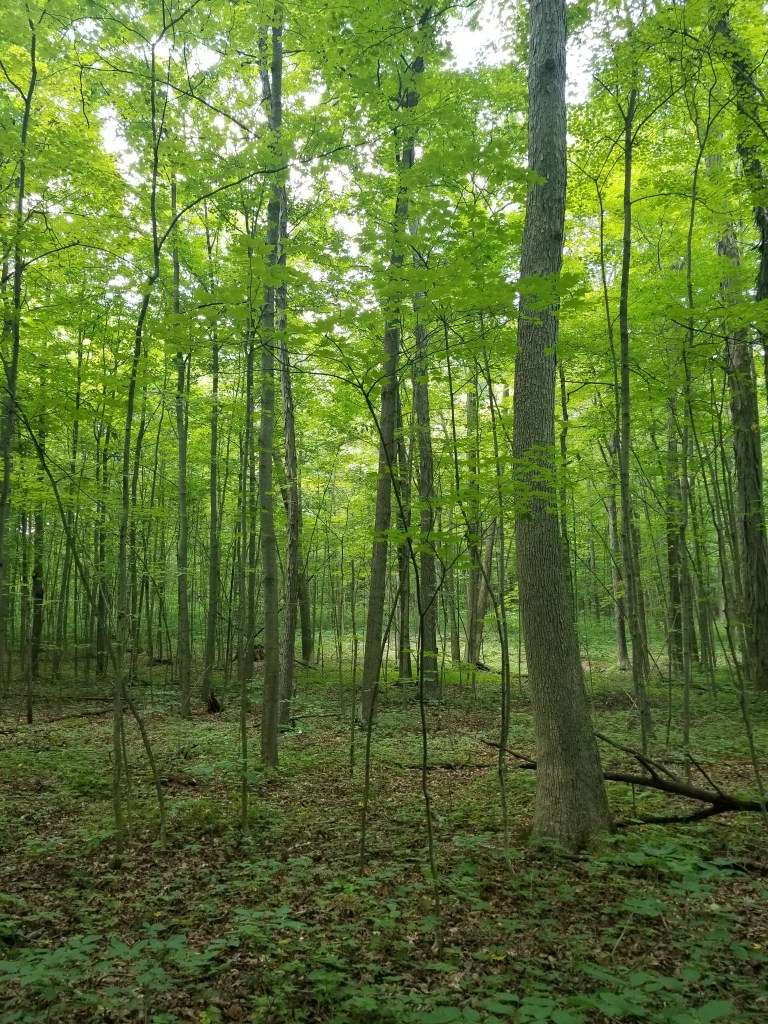
Last week, my childhood friend Etta came over to trade bounty and I took her on a walk around the “farm”. She marveled at how far along my peppers and tomatoes were. I sheepishly replied that I had started the seeds at the end of February. Honestly a bit later than I usually do. I spoke to how poorly things were performing, how much better she grows beets than I do and she looked to the sky remarking that she has full sun where I certainly do not.

Inherently, I know this. I know that vegetables need at least 6 hours of full sun per day to thrive. No amount of water or nutrients will alter the fact that my plants will not do as well as they could with the requisite amount of sunlight. “Good enough” always seems to be an estimation of what could be or should be, when really it should be what is.

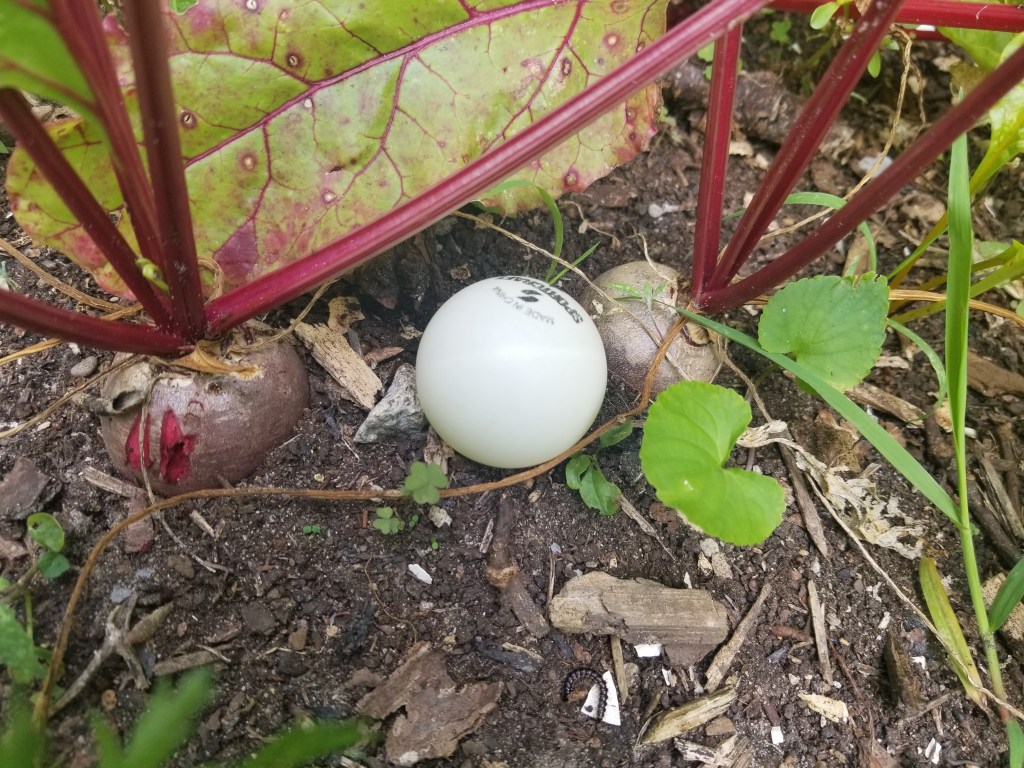
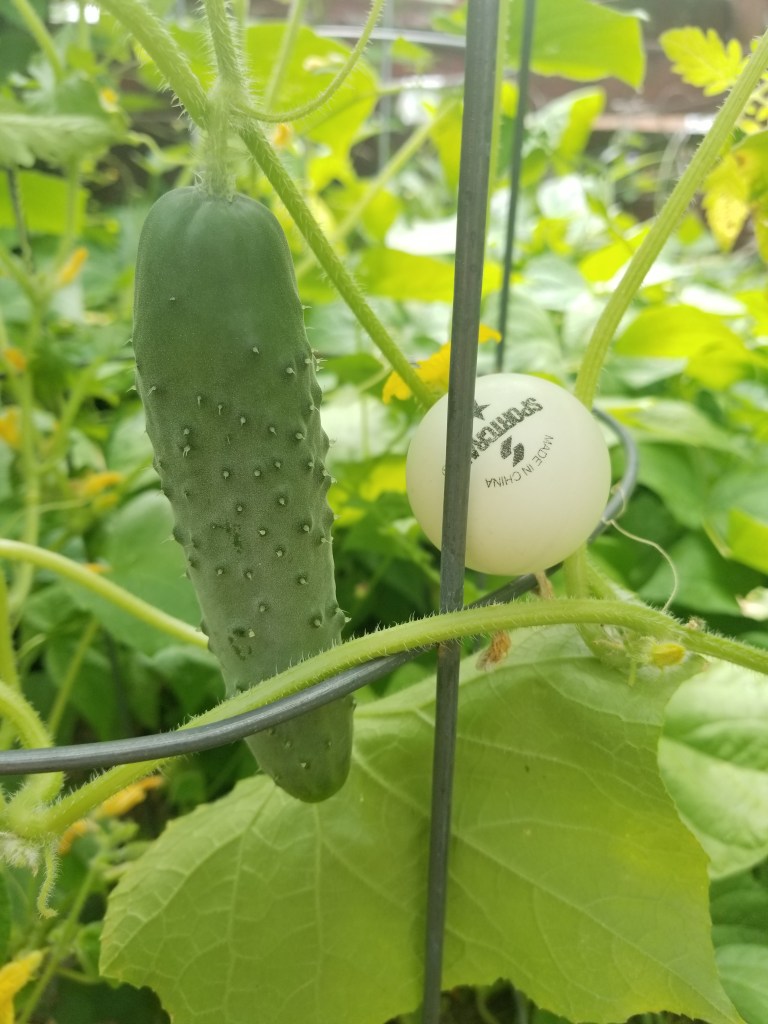
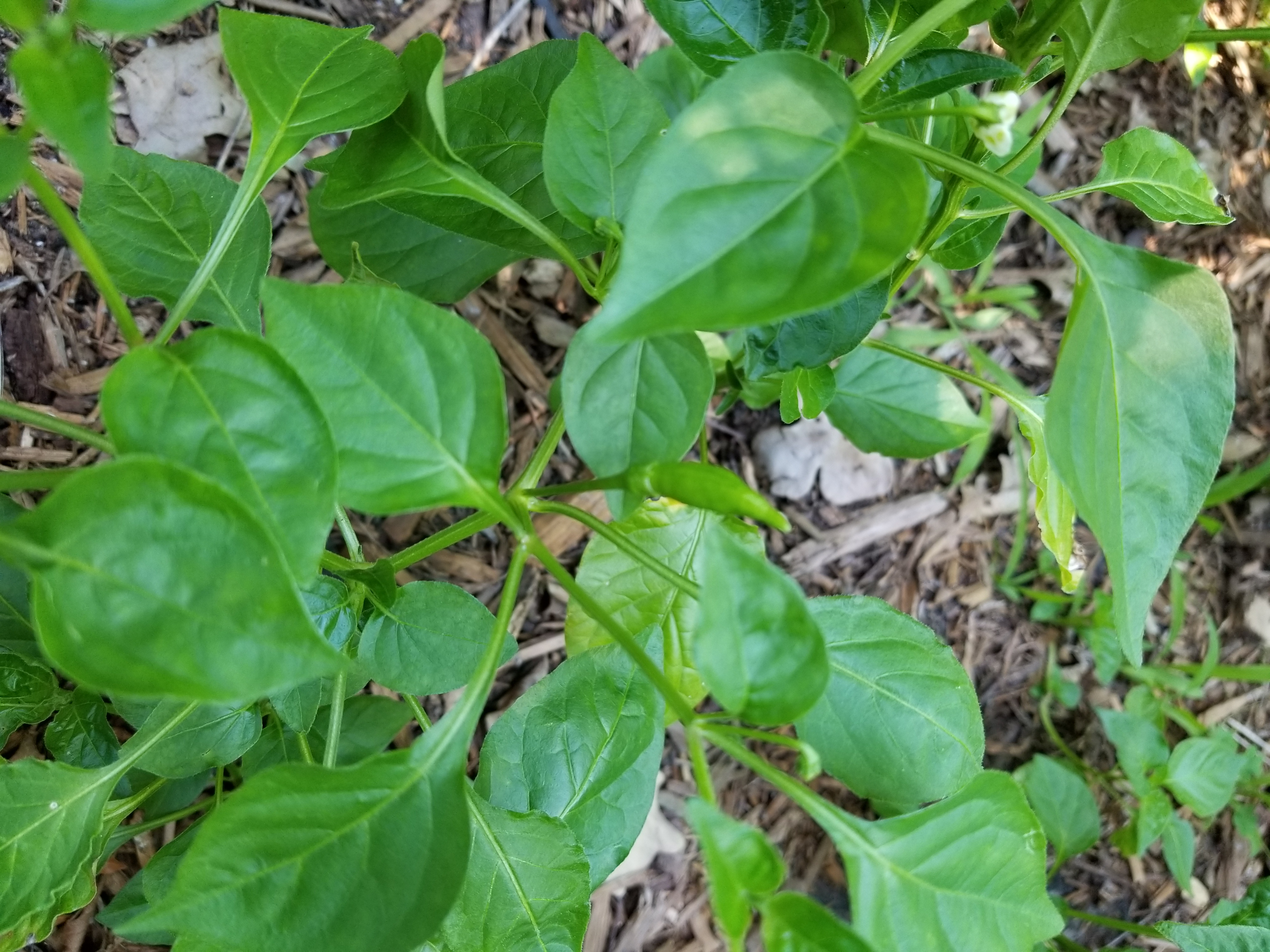
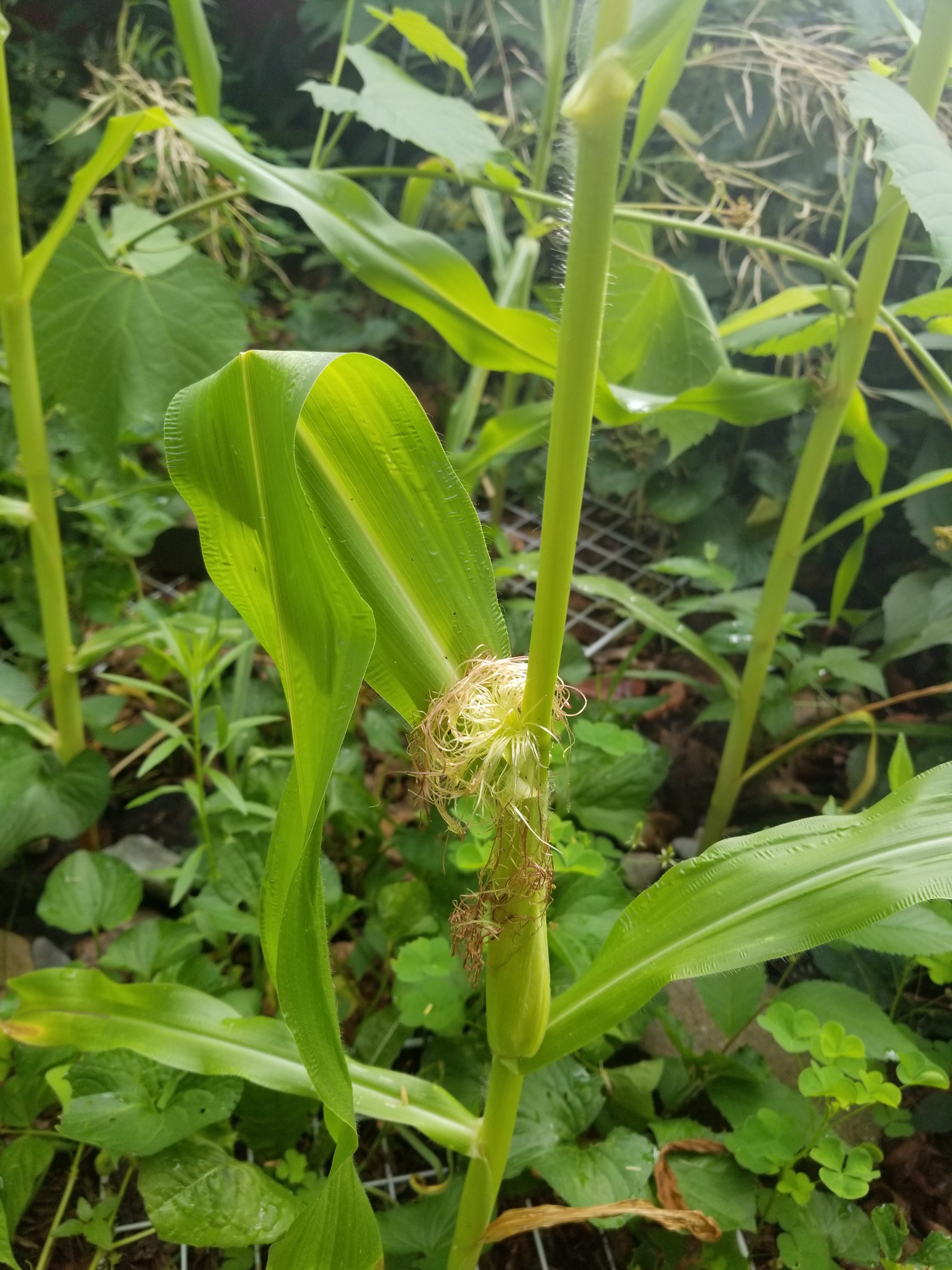
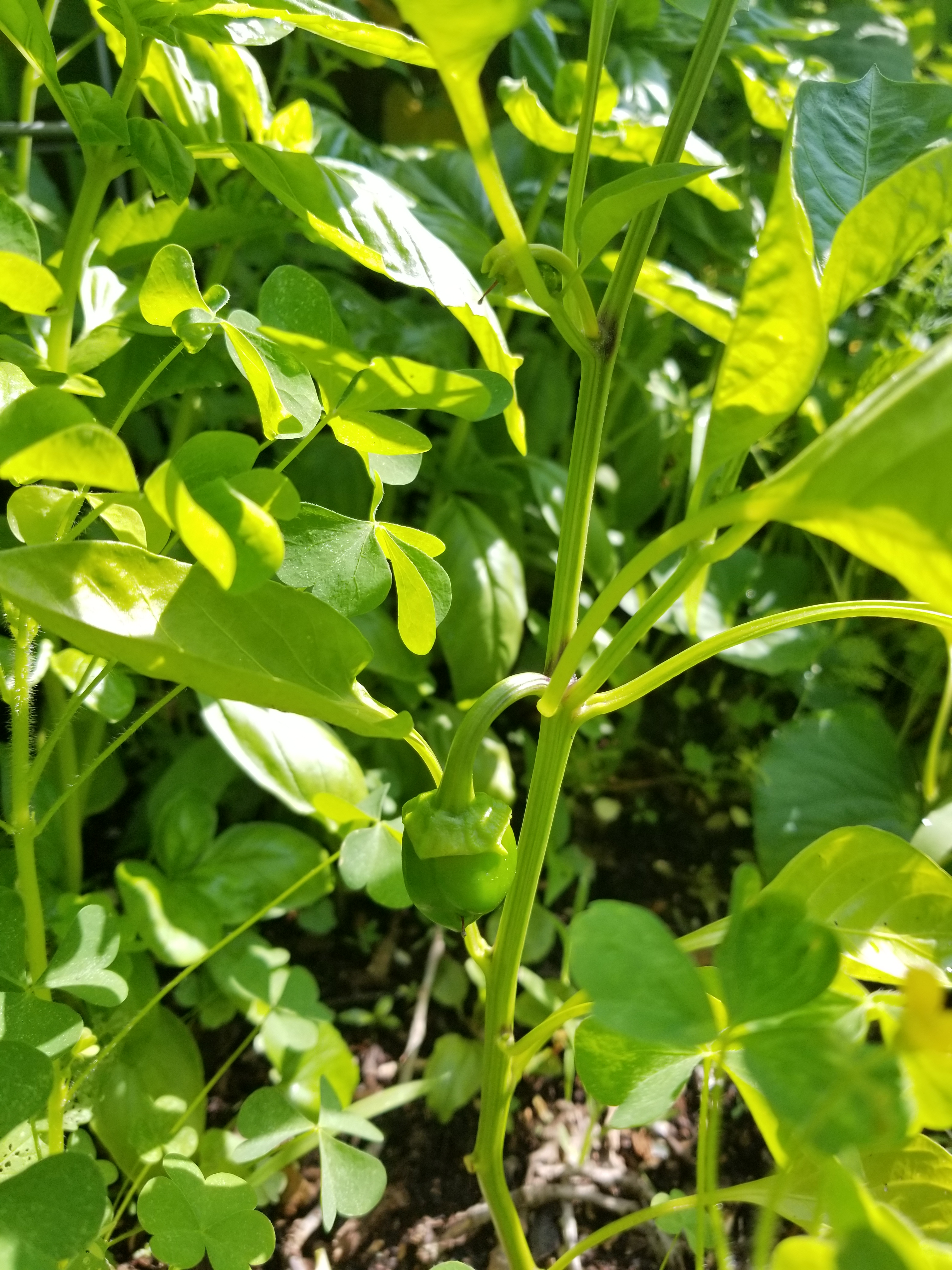
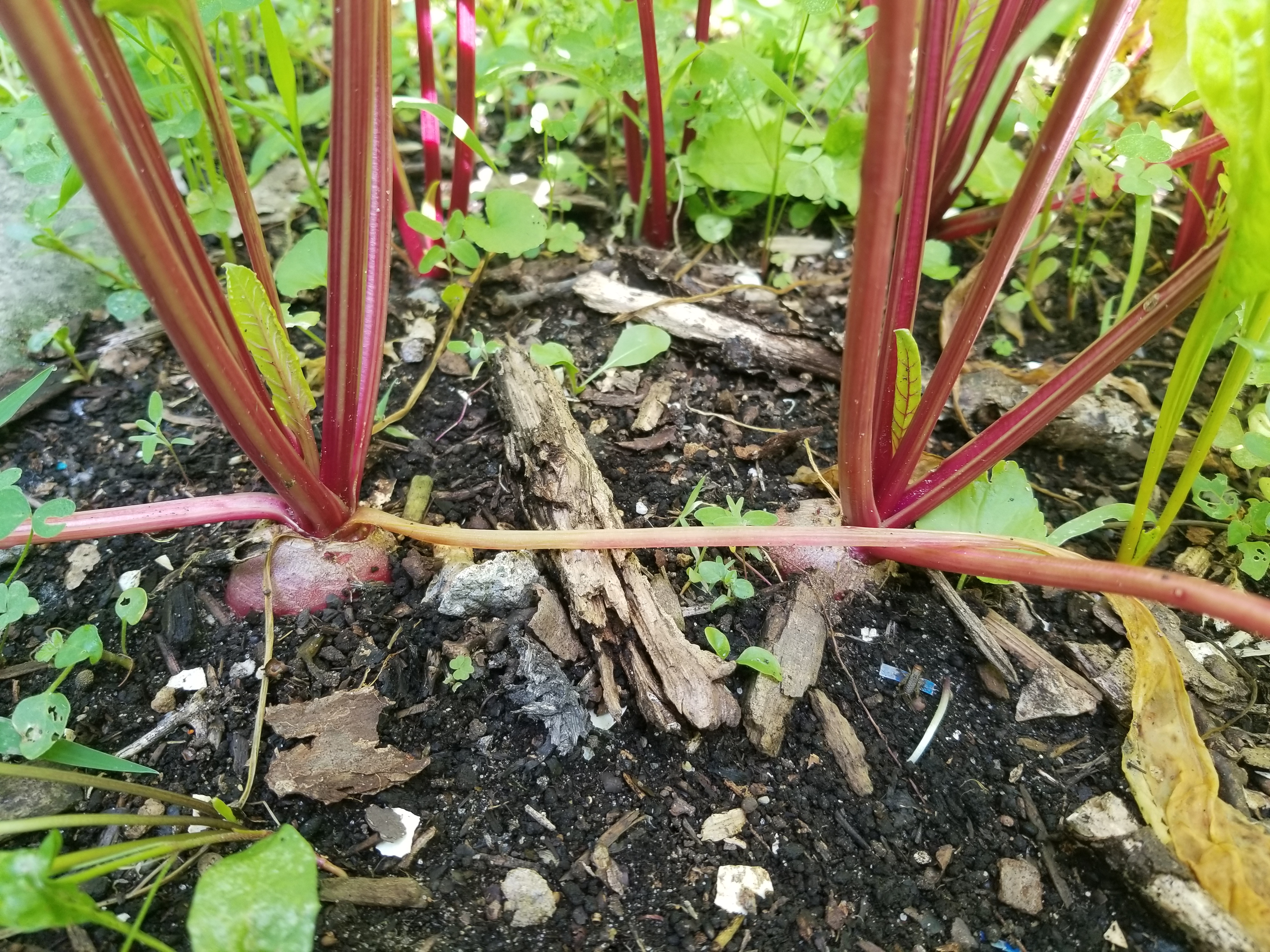
So how are the vegetables doing with ample nutrients and water and partial sun? To cultivate that joy, I used a ping pong ball to showcase growth.

And this is just a sample. This doesn’t include the fifty or so productive green and wax bean plants, the thriving basil, mint, thyme, chives, and oregano. It doesn’t show that there are at least ten other highly productive cherry tomato plants of five different varieties all waiting to ripen. Nor does it show the zucchini that is hesitant to set fruit, or the slicing tomatoes being choked out by vining beans. Or the swiss chard that has been shared freely due to overplanting and production. It’s all a balance and I am so lucky to be able to explore the changes and growth that each day brings.

Soon I will be pulling bunches of carrots and in their place planting chinese cabbage, red cabbage, brussels sprouts and leaf lettuce. Perhaps I will have a fall harvest for the first time this year. If nothing else, I will enjoy some time outside.

Garden Affairs

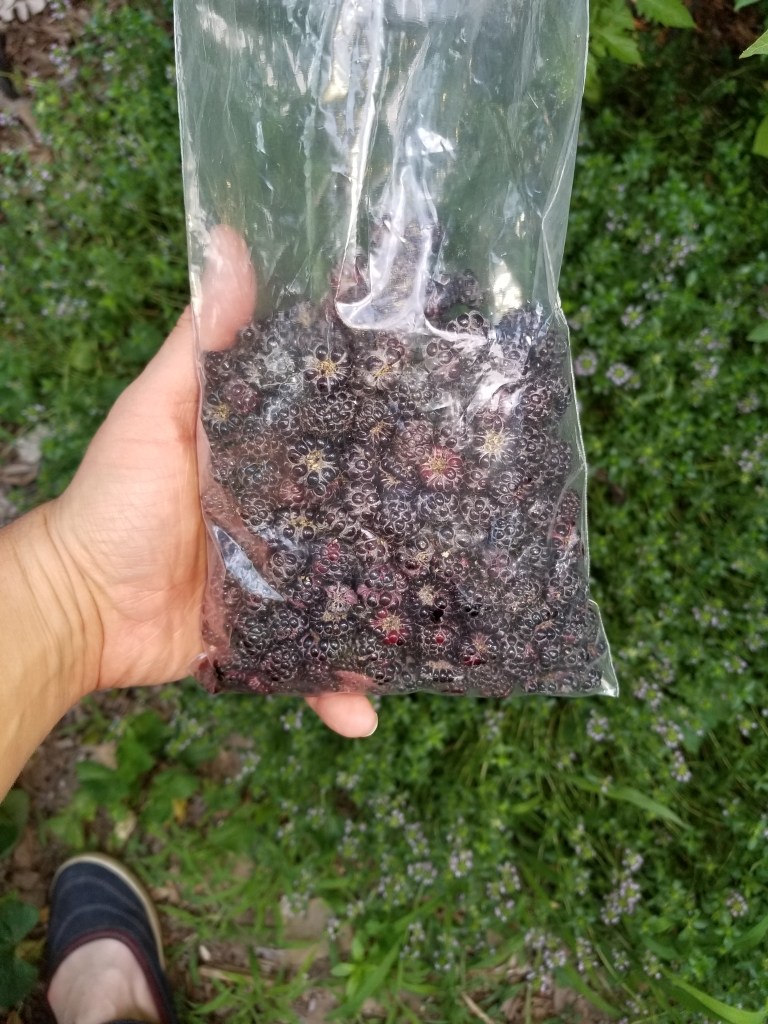
This is a spectacular time of year for my little patch of land. The black raspberries I inherited with this house are producing more than ever. The first year I lived here, I wrangled about eight away from the birds. This year? I’ve picked at least a pint each of the last five days!

I’m trying my best to weigh and record all the produce I produce, using current market prices to see what my work is “earning”.

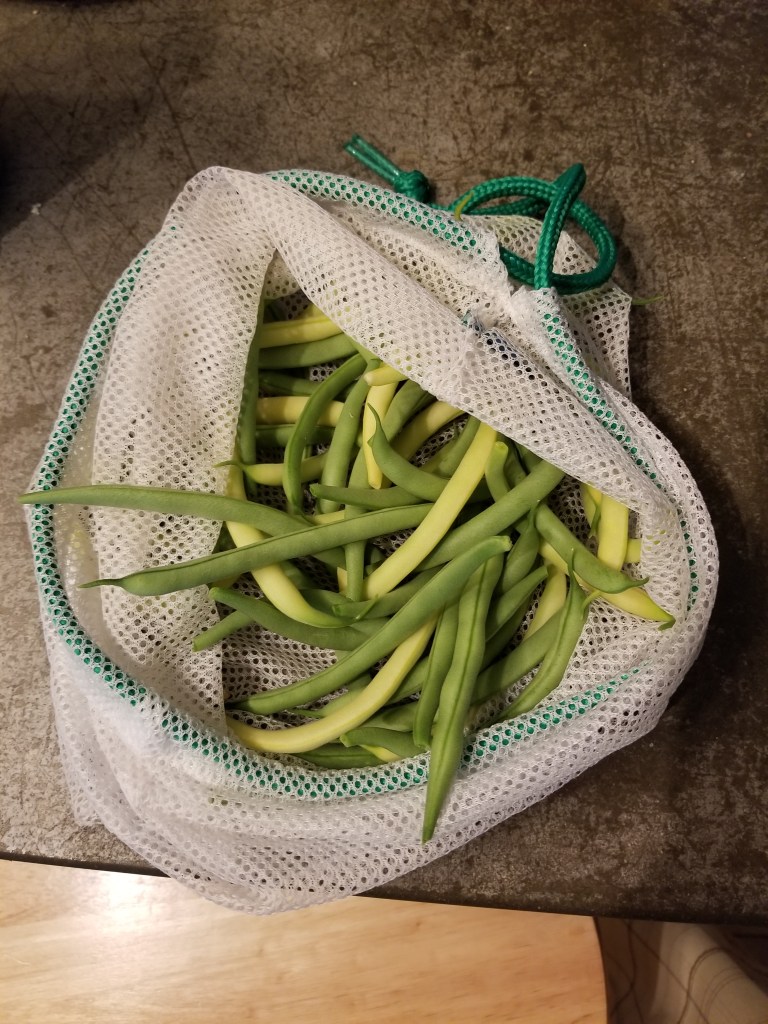
In addition to berries, the bush beans are thriving this year. I skipped planting them two or three years in a row due to poor germination and production. This year, I found a plastic bag of dried beans in the garage marked “bush beans” and figured it wouldn’t hurt to give it a try again. I remember that this bag was either mislabeled and actually vining beans, or I had mixed the two kinds together. So far there has only been one strange surprise: wax beans! I don’t remember ever having grown them, but here we are. As of now, I have picked a quart of beans each of the last three days. They need to be checked/picked every day once they start fruiting. Much like zucchini they will slow or stop production if one fruit is allowed to reach maturity. Also much like zucchini (and all squash), the plants are equipped with minuscule “hairs” that leave me with an unpleasant itchy skin rash. Thanks, nature!

I froze my first batch today, which reminds me I need to order more food saver bags. When freezing vegetables, it is imperative to blanch them first. Blanching, otherwise known as quick immersion in boiling water for 30 seconds to a few minutes followed by an immediate transfer to an ice water bath, inactivates the enzymes in the vegetable. Skipping this step can lead to undesirable colors or textures, such as browning or mealiness. I learned this the hard way with the oodles of sweet peas I froze last years, but mistakes are meant to be learned from.

In addition to putting up beans, I spent the early morning outdoors. We had our first rain in a few weeks yesterday, which brought slightly cooler temperatures and loose soil, prime for overdue weeding.

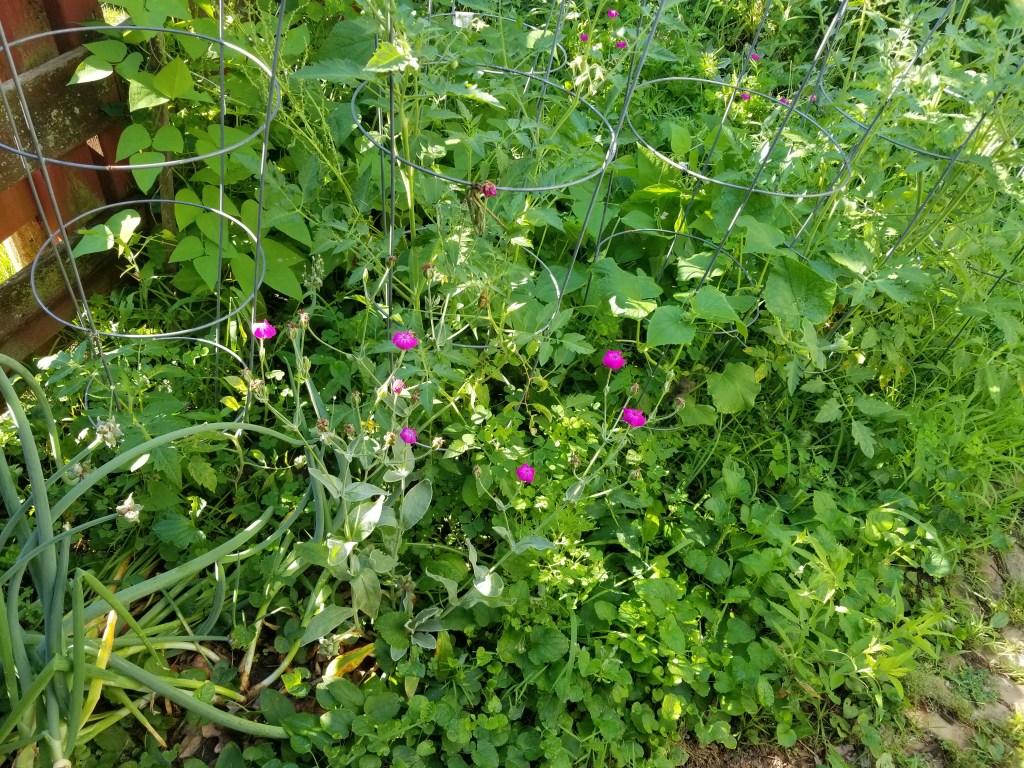
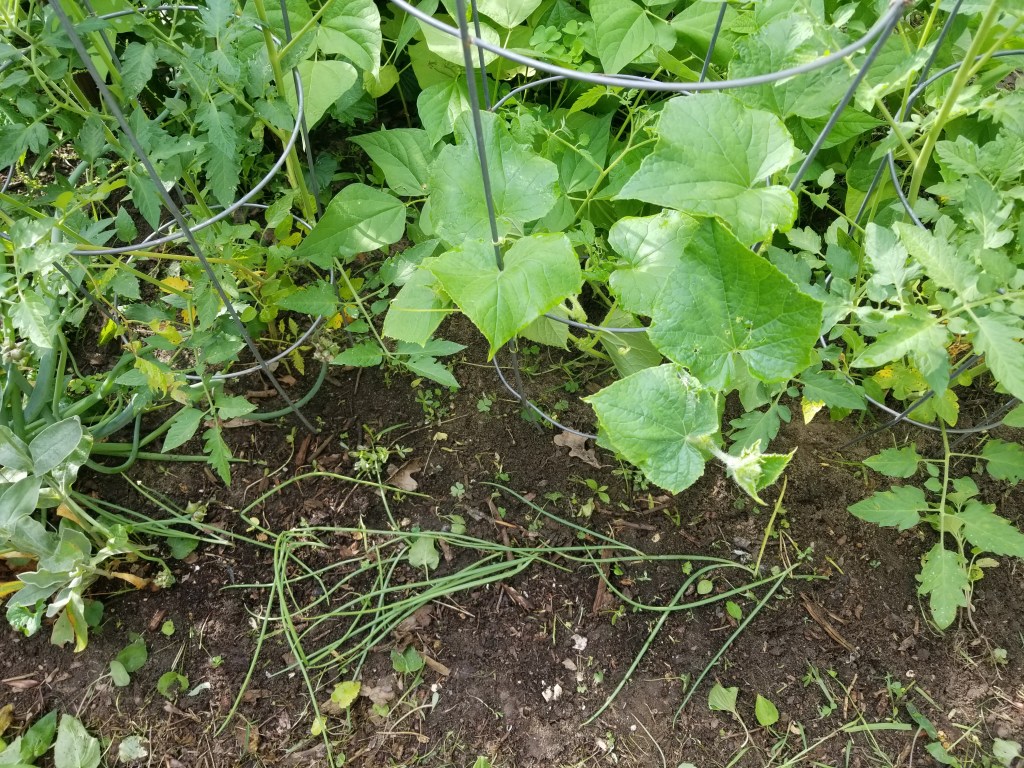
Oy, what a mess, right?! There are edibles intentionally planted there, I swear…

Edibles such as egyptian walking onions, red onions, leeks, celery, bush beans, lima beans, cherry tomatoes, and purslane (my favorite edible weed that I encourage to self seed each year).

The goal is improvement, not perfection.

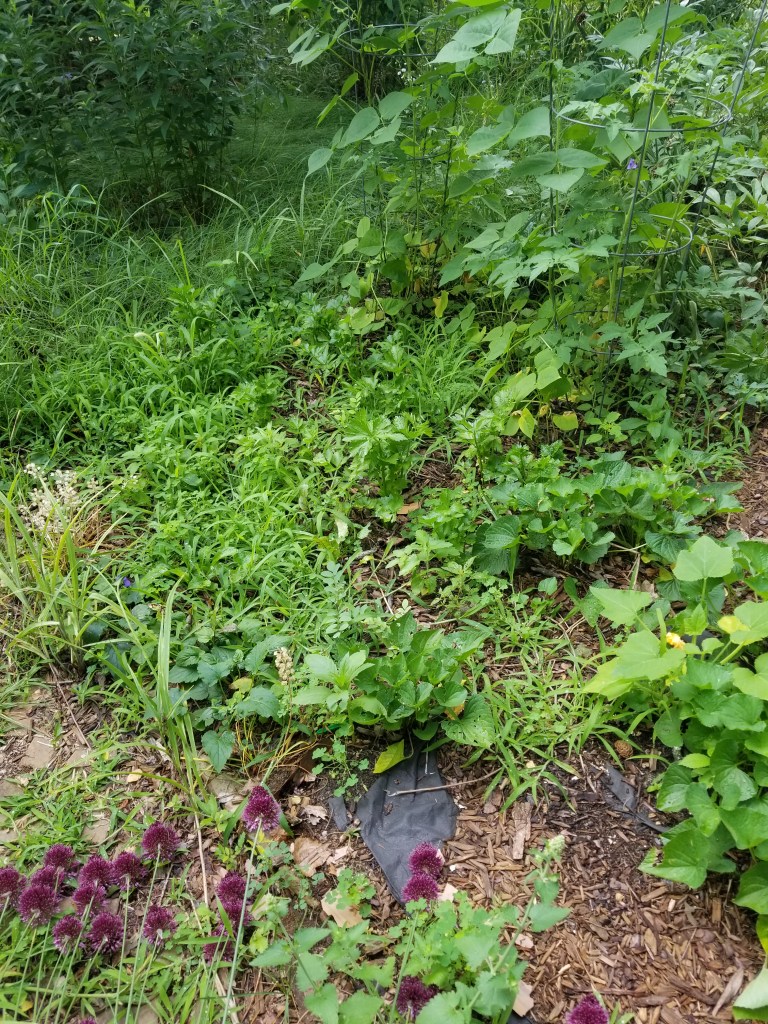
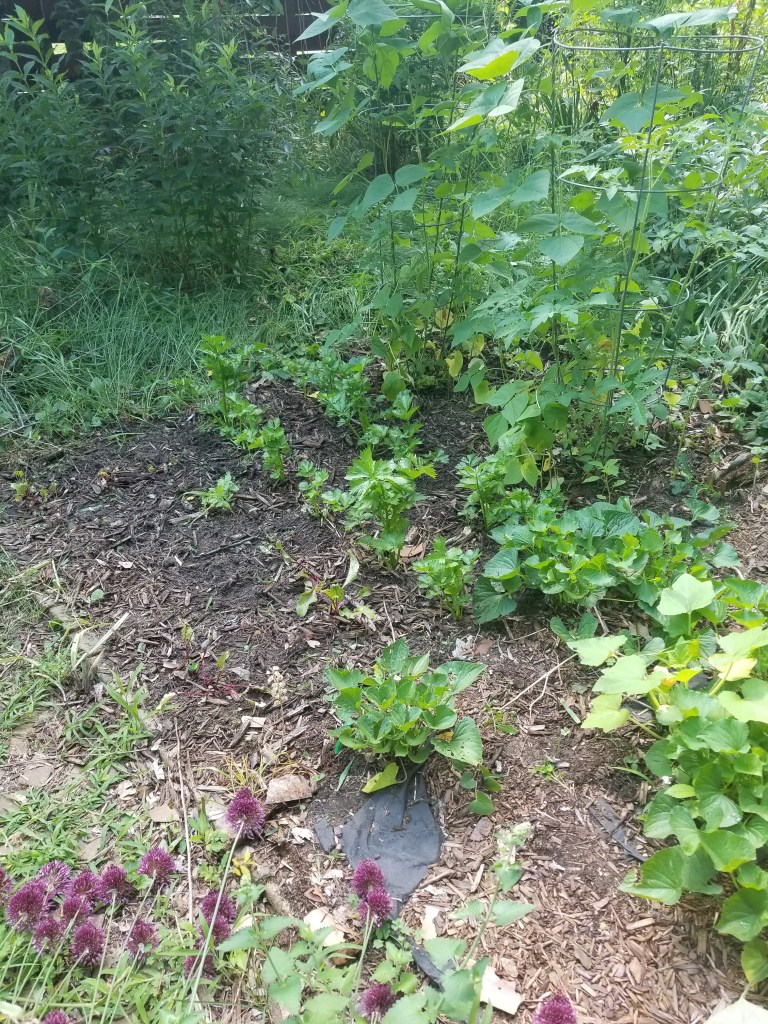
The second area I worked on is one of the last patches of garden converted from ornamental to production.

Beets, vine beans, cherry tomatoes, celery, and volunteer tomatillos. An honorable mention for the yellow crookneck squash and flowering wild onions.

By that time, it was already approaching 90 outside, so I took a few more detailed photos before turning inside for the afternoon.

The world may be in chaos, but the garden provides predictable stability. I might not have enough beets for a standard victory garden, but I’m hoping to continue to supplement our weekly shopping and can salsa in a few months.

Are you growing anything delicious?

Growing

While every day is a celebration, passing the Registration Examination for Dietitians was a cause for cake.

Quinoa carrot cake with currants and maple cream cheese frosting, to be exact. Surely studying for four hours a day for over a month deserves it’s own reward.

This is the second time I’ve made this cake and it was easily devoured by the two of us in a week. I’ve had the quinoa flour on hand for well over five years (please don’t keep flour as long as I do) and am so impressed with how well this turned out. I chose this recipe based solely on the fact that I had every single ingredient on hand and I’ve been enjoying using up the weird ingredients I’ve accumulated over the years.

Lightly adapted from Quinoa Cuisine by Jessica Harlan & Kelley Sparwasser:

  • 2 c quinoa flour
  • 1 c packed dark brown sugar
  • 2 tsp baking powder
  • 1/4 tsp iodized salt
  • 3 large eggs
  • 1 c unsweetened applesauce
  • 1/4 c canola oil
  • 1 tbsp vanilla extract
  • 3 c grated carrots
  • 3/4 c dried currants

Preheat oven to 350°F and grease your cake pan (two 8″ rounds if you have them, I used a metal 9″ x 13″). Mix dry ingredients together and set aside. In a stand mixer or with hand beaters, beat the eggs on medium for two minutes. Turn the mixer to low and add the applesauce, canola oil, and vanilla extract until combined, then add the carrots. Incrementally add the dry ingredients until just combined. Turn off the mixer and fold in the currants by hand.

Fill your prepared pan(s) and bang it on the counter ~5 times to settle the batter and remove any air bubbles. Bake 20-25 minutes. Check for doneness by pressing a finger to the center of the cake. It should have a light give and the indent should bounce back. Cool in the pan for twenty minutes, then turn onto a wire rack. Allow to cool completely before frosting. This is the worst part because you will want to eat it right away. For the frosting:

  • 8 oz cream cheese
  • 1 stick unsalted butter, softened
  • 3 c confectioners sugar
  • 2 tbsp maple syrup

While the cake is baking, whisk together the cream cheese and softened butter. To speed up this process, let the cream cheese sit at room temperature while you are combining the ingredients for the cake. Once well combined, add the maple syrup, then the confectioners sugar one cup at time. I recommend tasting after each addition to determine your sweetness preference. Try not to eat it all before the cake cools.

I used applesauce that I canned this winter from a mix of “seconds” from Kapnick Orchards. Dark brown sugar is a personal preference. With more people cooking and baking from scratch, I recommend using iodized salt to prevent iodine deficiency and it’s negative health consequences (goiter). Canola oil contains more omega-3 fatty acids than vegetable oil and will not change the flavor. Though the original recipe calls for it, I don’t peel my carrots–I think it is a waste of time especially in this type of application where you won’t see the carrots.

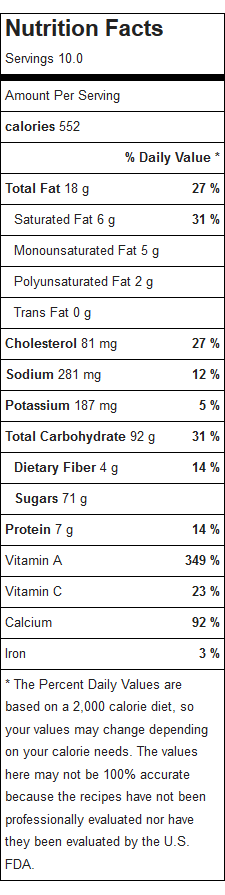
This cake is a decadent indulgence, but you deserve it. I’ll leave the nutrition facts at the very end so you only have to see them if you want to.

In short news, the garden is strong in growth and I’ll give another tour soon.

I finally graduated to cloth covers for my booch brewing made from fabric my mom bought for me in 2007 that has moved from Chicago to Georgia to Michigan before finally being used 13 years later.

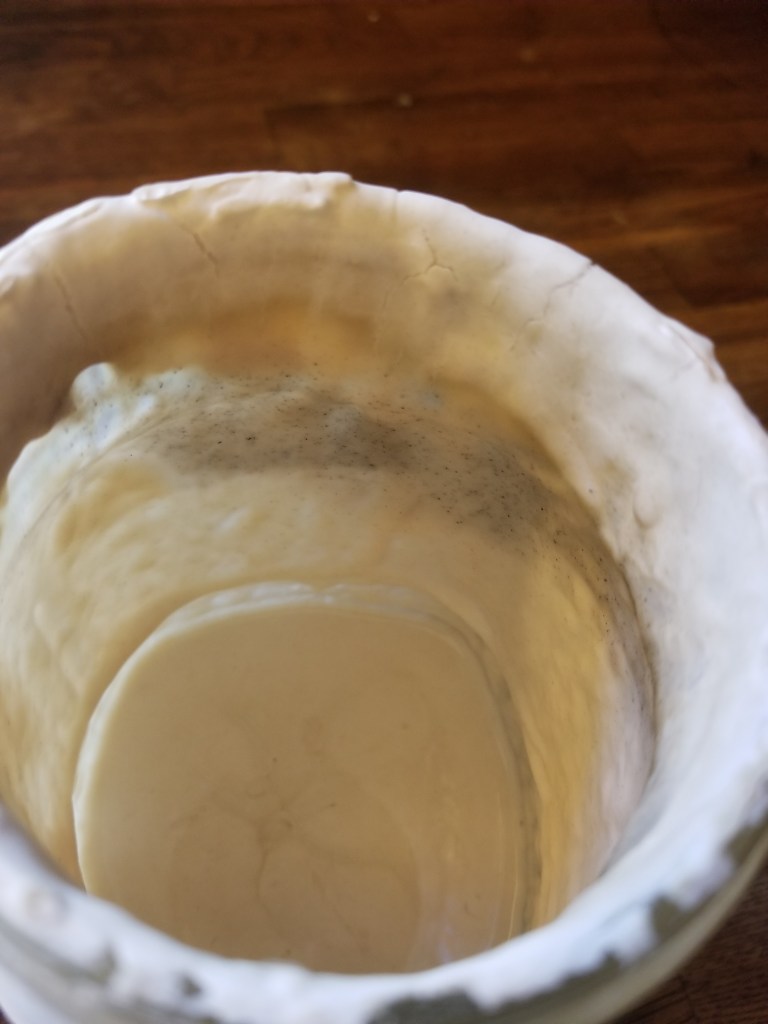
And finally, to round things out: a failure. Not only have I managed to suffocate, then revive my sourdough starter, but now I have killed it with mold. Time to start starting anew.

Growth doesn’t usually take the path we think it should and forward doesn’t look the same from day to day. Sometimes it is best to just choose cake.