
Spring is barely here in southeastern Michigan. The snow drops have just finished blooming, with a new flurry of narcissus and tulips taking their place. The grass is trying its best to eke out an existence and the trees are beginning to bud. But this bleak, brownish, massive temperature swing time of year doesn’t mean our food has to look the same. For dinner last night, we had a mostly local feast: chorizo tacos on corn tortillas with cilantro, microgreens, red onions, and feta cheese. A side of elote and red rice. The corn I froze this past summer, the rice was seasoned with salsa I canned in August from all local ingredients–save the cilantro, that’s local now. The non-local ingredients from last night were avocado, some spices, sour cream, and the rice. The sour cream could have been local, as could have been some of the spices. This is the food I want everyone to be able to access, afford, and enjoy.

An important thing to keep in mind is that not all local food is created equally. Ask about regenerative management techniques such as cover crops, compost, and grazing management. However, understand that (based on you location) some crops cannot flourish without intensive management. A hearty example is strawberries. This fruit is susceptible to many pests and fungi. It is possible to have an organically managed, regeneratively grown strawberry, but is unlikely to be affordable on any sort of local, large scale (at least here in MI). So either we eat something else, or we allow wiggle room in the standards we hold food to. Transparency in marketing and products is what will make a local food system thrive.
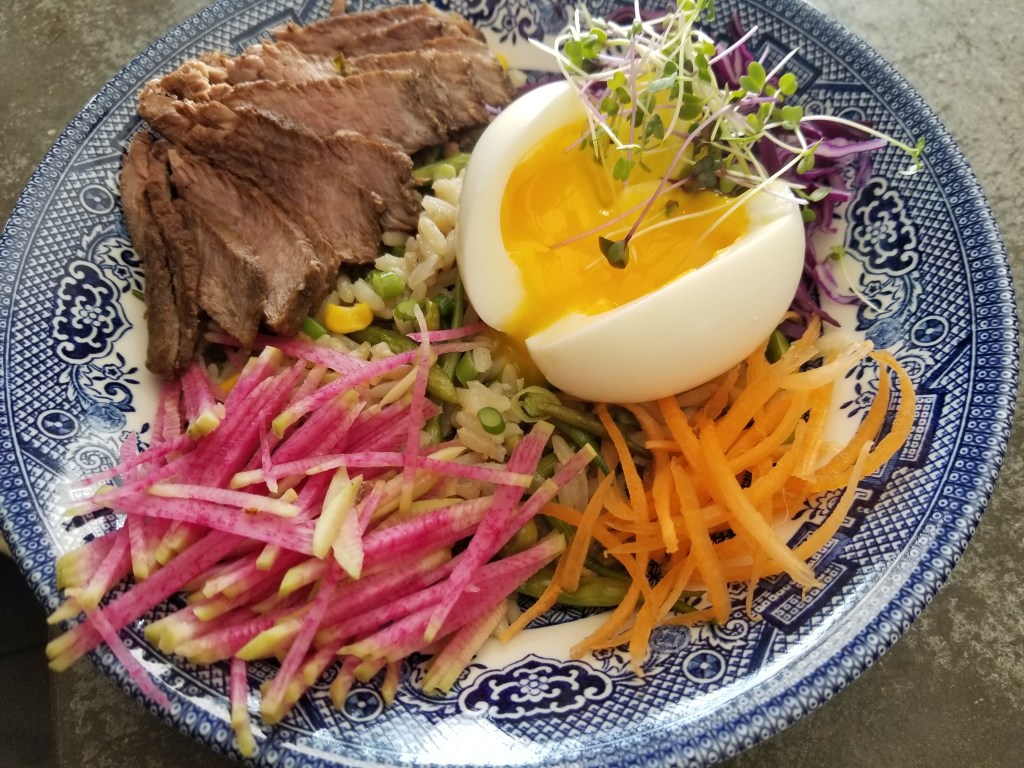

More examples of completely homemade, almost fully local meals (save seasonings and grains, though again they could be).
What is most important to me, not just as a dietitian, but as a person, a citizen of earth, is food access. This push for local, sustainable managed foods is meaningless if it is not accessible and affordable to all. Markets and food hubs in my area have done well to heed this rallying crying, but this is an exception to the norm. Many “farmer’s markets” still face the issue of one I left behind in Georgia: the food is mainly from resellers and/or most vendors are not selling food at all. There is so much work to be done to create an equitable and just food system, but creating demand is one thing those of us who can afford to can impact. Buy yourself the best food you can afford and commit to supporting markets and producers who are trying to foster access to all. This is not a bad place to start.
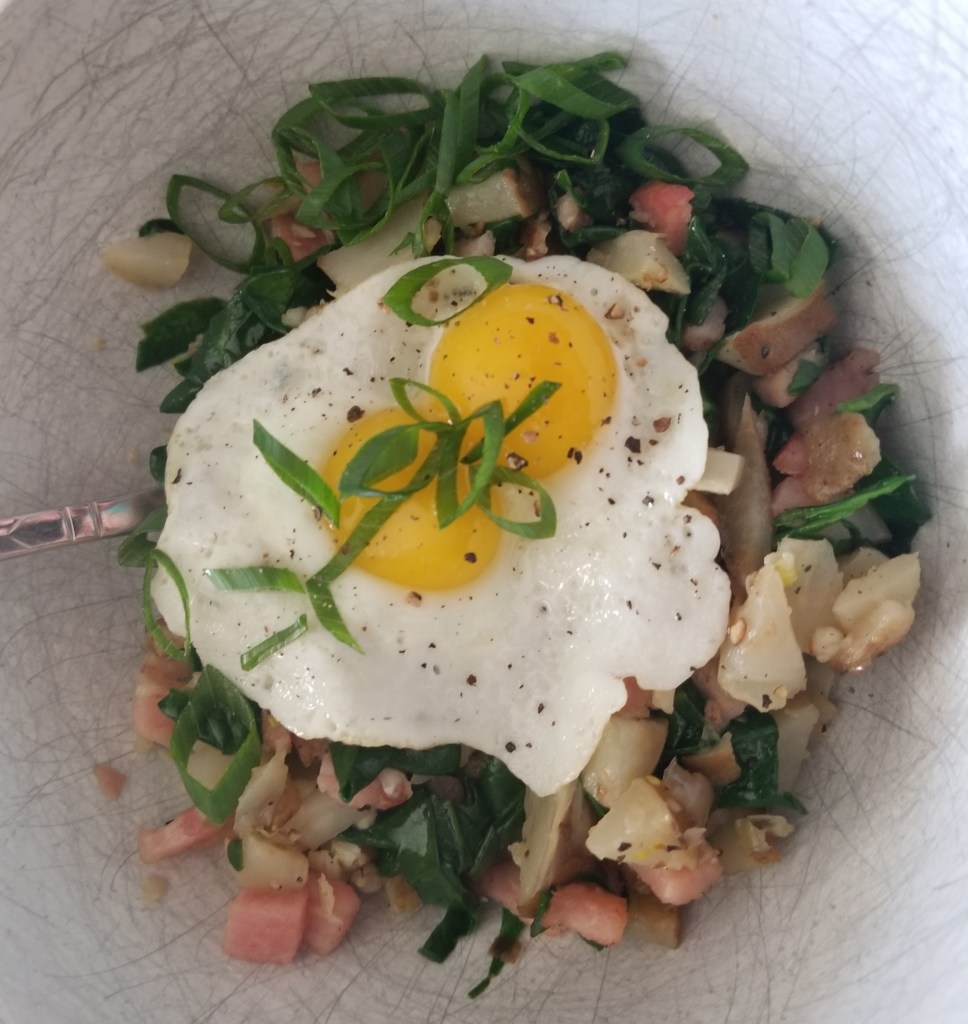
My most recent full-local concoction was this sunchoke hash with spinach, canadian bacon, shallots, and the first walking onions of the year. Leave me a comment if you are interested in the recipe. This was my first time trying sunchokes and I am absolutely smitten.
 Eat - Drink - Both