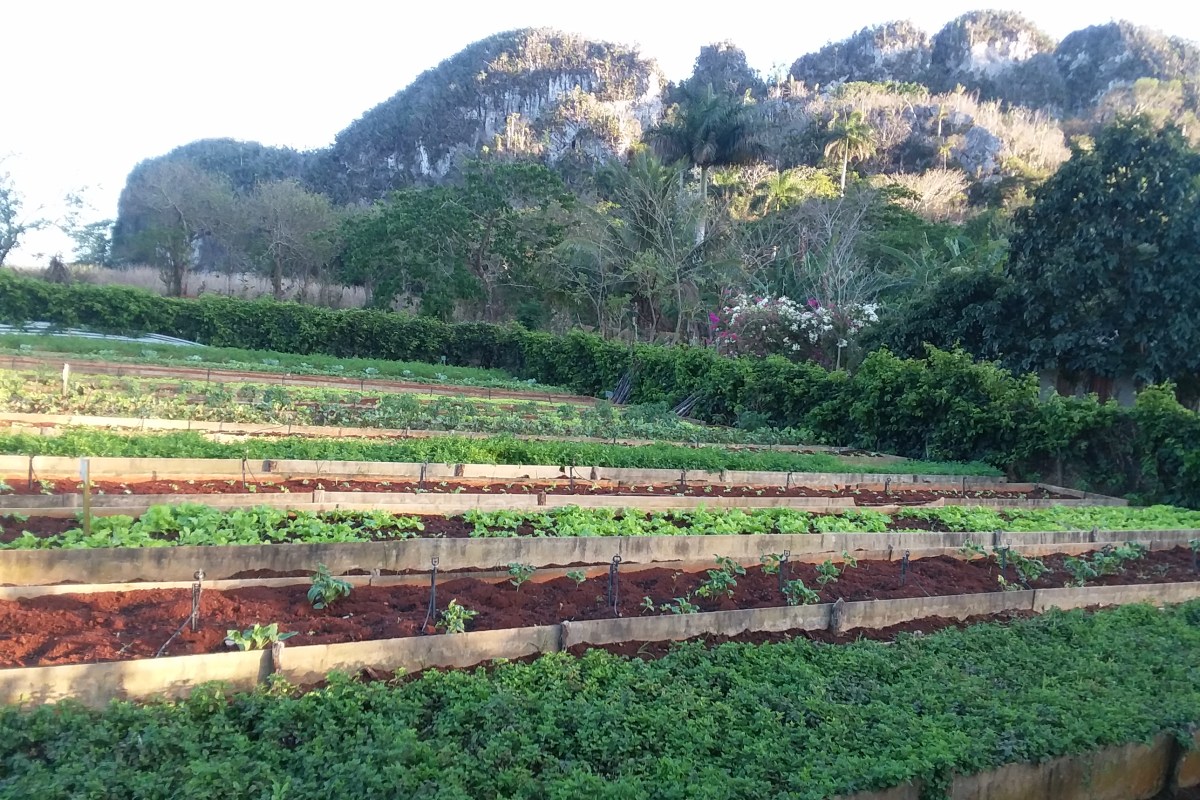
Social Change has been on the forefront of my mind during the last year as inequities and disparities, particularly those involving wealth and health, have been thrust into the spotlight. What I have found to be consistently troubling is the lack of transparency that continues to surround our current food system. I recently finished reading The Jungle by Upton Sinclair, which was a powerful reminder of how far safety has come in the industrial food system. Though you may not hear of tuberculous pigs being quickly slaughtered and canned, the trouble now is that “wage slavery” is still the norm, exacerbated by stories such as those coming out of Tyson (pork, beef, and poultry agri-giant) of corporate managers betting on the how many slaughterhouse employees will contract Covid. I am so fortunate to have the financial capacity to make meaningful decisions about food purchasing that reflect my values, such as nearly completely local food sourcing, and I believe everyone deserves the right to choice: food that is affordable, accessible, acceptable, and healthy.
There is so much speculation about the positive impacts that could arise from this pandemic. I’ve really enjoyed following along with the BBC’s “Follow the Food” series. An article about soybeans and how crop specialization could impact malnutrition most recently caught my attention. This article also lightly discusses how current conventional agriculture practices are destroying the earth’s topsoil, leading to desertification, and decreasing planetary habitability. As emphasized in this article, the solutions (better agricultural practices, renewable energy, and dietary changes) already exist, the problem is education and motivation.
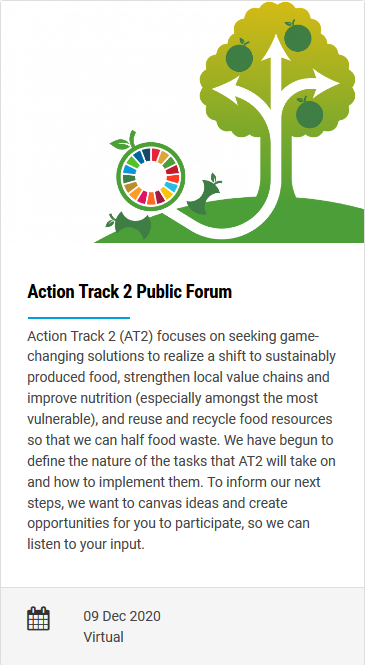
From what I have seen, the majority of these articles are sponsored by different biotechnology and agribusinesses, but this transparency gives me more confidence in the information presented than when sponsorship or funding information is buried or difficult to ascertain. Beyond this series, I’ve learned about off-the-grid greenhouses in the Jordanian desert that utilize seawater to cool and irrigate, to the unintended un-desertification many thousands of acres of the Helmand Valley in Afghanistan due to increased access to cheap solar power. The United Nations has a public forum coming up on December 9, based on progress toward the Sustainable Development Goals, to cultivate ideas during this potential explosive time for change. Out of the chaos may come lasting, sustainable change… or it may all end in talk. The only way to find out is to join the conversation!
There are two quotes from The Jungle that have stuck with me. The first from shortly after the family had immigrated from Lithuanian to Chicago, IL.
“A very few days of practical experiences in this land of high wages had been sufficient to make clear to them the cruel fact that is was also a land of high prices, and that in it the poor man was almost as poor as in any other corner of the earth; […]”
The second is toward the end during a period of propaganda and Socialist discussions.
“[…] one of the necessary accompaniments of capitalism in a democracy is political corruption; and one of the consequences of civic administration by ignorant and vicious politicians, is that preventable diseases kill off half our population. And even if science were allowed to try, it could do little, because the majority of human beings are not yet human beings at all, but simply machines for the creating of wealth for others. They are penned up in filthy houses and left to rot and stew in misery, and the conditions of their life make them ill faster than all the doctors in the world could heal them; and so, of course, they remain as centers of contagion, poisoning the lives of all of us, and making happiness impossible for even the most selfish.”
I would love to hear your thoughts.

 Eat - Drink - Both