Pakoras

Indian spiced vegetable fritters.

The perfect recipe for transitioning seasons. As we slowly roll from spring into summer, the kale and radishes are still coming in strong. I love these dipped in just about any sauce, but they go great with tamarind chutney, hummus, lemon tahini dressing, or the included recipe for mint yogurt sauce.

This recipe makes a bunch and they heat and crisp back up nicely in the oven or toaster oven. They also freeze really well, so this is a nice make ahead freezer meal. There’s a lot of room to play around with the recipe, do what feels right for you.

I prefer using a food processor to shred the vegetables, but if one is not available to you this can be accomplished with a sharp cheese grater.

Mint Yogurt Sauce Ingredients

  • 2 tbsp minced fresh mint
  • 1/2 cup plain yogurt
  • 1 tsp minced fresh garlic
  • 1/4 tsp salt

Pakora Ingredients

  • 1 bunch kale, rinsed, stems discarded, leaves diced
  • 1 bunch radishes, rinsed, greens removed*
  • 1 onion
  • 1 tsp ground turmeric
  • 1/2 tsp curry powder
  • 1/2 tsp ground cayenne
  • 1/2 tsp salt
  • flour**
  • canola oil, for frying

Combine sauce ingredients and allow to marinate in the fridge while you make the pakoras.

Place the diced kale in a large bowl and set aside.

Heat a large, heavy-bottomed skillet with enough oil to coat up to about 1 cm. Remember, the hotter your oil, the less the fritters will soak up. But this is a balance because you do not want your oil to smoke – watch for wavy lines to indicate heat or use a thermometer if you have it and try to keep the oil around 250-300 degrees.

Cut the onion in half, peel, and chop each half roughly into 1-2 inch chunks. Use the shredder blade for the food processor to grate the onion, followed by the radishes.

Add the shredded onion and radish to the diced kale. Add turmeric, curry powder, cayenne, and salt to the vegetable mixture and stir well to combine.

Add the flour, 1/4 cup at a time, stirring until it is no longer visible. Continue to add flour bit by bit until your mixture comes together and can be formed into balls between two spoons.

Another way to tell it is a good consistency is if you lift a spoonful in the air, the batter does not slide off.

If you find it is too dry, simply add a little bit of water.

Super chef secret tip: Once you are ready to start frying the pakoras, add only ONE small one to the hot oil. Once it’s nice and ready, let it drain and give it a taste. This will let you adjust the seasoning for the rest of the batch as needed. I almost always add more salt.

Using two dinner spoons, shape pakoras and add to the hot oil. When you can see the edges brown, they are ready to flip. The photo below is NOT ready to flip!

Remove fried pakoras from the pan and allow to drain on a paper towel lined plate.

Serve warm with the sauce of your choice and enjoy!

*radish greens are totally edible, I always dice them along with the kale. They have a very mild taste and the fuzzy/prickly feel of them is lost when they are cooked.

**If I have it on hand, I use chickpea flour (sometimes also call besan or gram flour), if not I like to use whole wheat. Using chickpea flour makes this recipe both vegan and gluten free. I have found that the biggest difference between the two flours is in the leftovers. If you use chickpea flour, I recommend only eating the leftovers reheated, otherwise the texture cold is quite unpleasant. However, if you use whole wheat flour, I think the cold leftovers are just dandy.
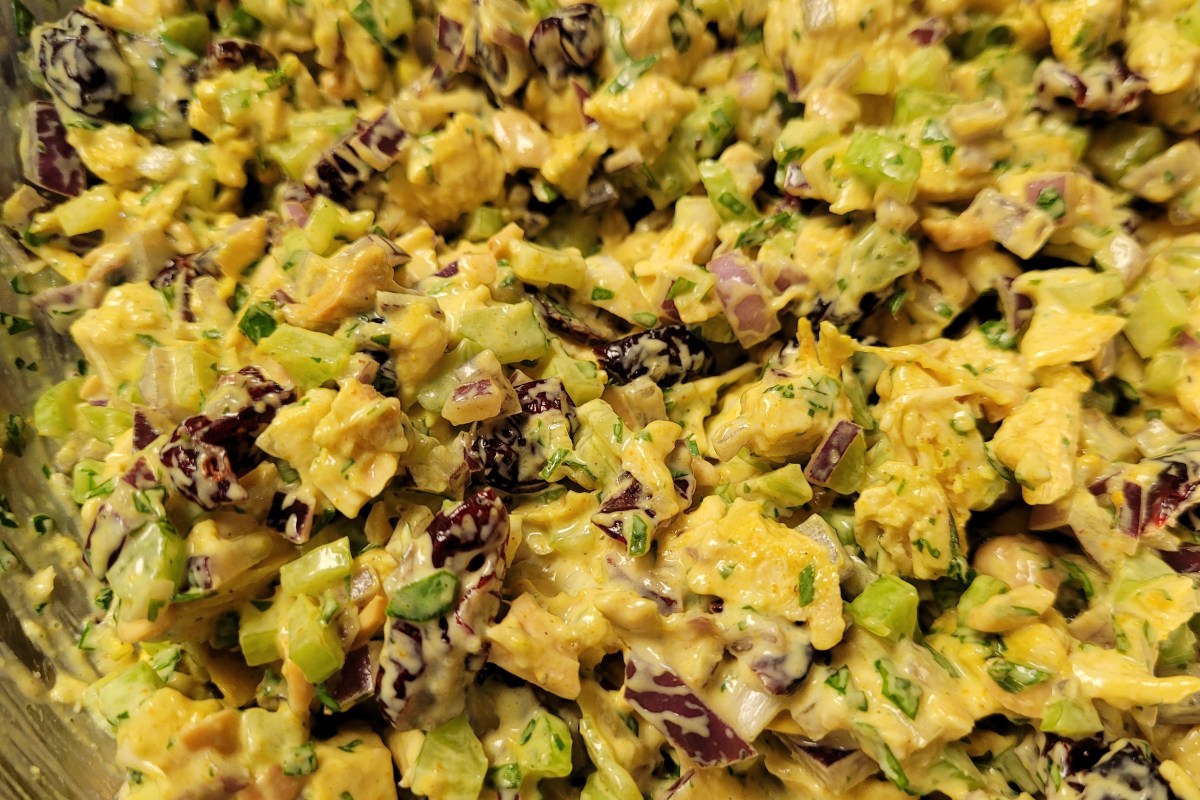
Curry Chicken Salad

A nice fridge and pantry clearing staple. Some people like eating warm things when it is cold and cold things when it is warm, but I believe the sweet, warming spices in this dish, though served cold, let it straddle the line for an any weather meal.

Ingredients (makes 6 servings):

  • 2 boneless, skinless chicken breast*
  • 1 cup diced red onion
  • 1 cup diced celery
  • 1/2 cup chopped cilantro
  • 1/2 c chopped cashews
  • 1 cup reduced sugar dried cranberries

Chicken Baste:

  • 1/2 c mayo
  • 1/2 tsp each turmeric, curry powder, garlic powder
  • pinch salt

Yogurt Dressing:

  • 1/4 cup natural sour cream (see note)
  • 3/4 c plain low-fat yogurt
  • 1/2 tsp each turmeric, curry powder, and garlic powder

Two methods of chicken preparation:

  1. Preheat oven to 375. While heating, combine basting ingredients. Pat chicken dry and evenly coat with mayo mixture. Place on foil-lined baking sheets and roast ~15-25 minutes until chicken reaches an internal temperature of 165 for 15 seconds. Set aside to rest.
  2. Alternately, for a lower fat version, simmer chicken in water or low-sodium stock until falling apart tender. This can be done stove top or in a slow cooker.

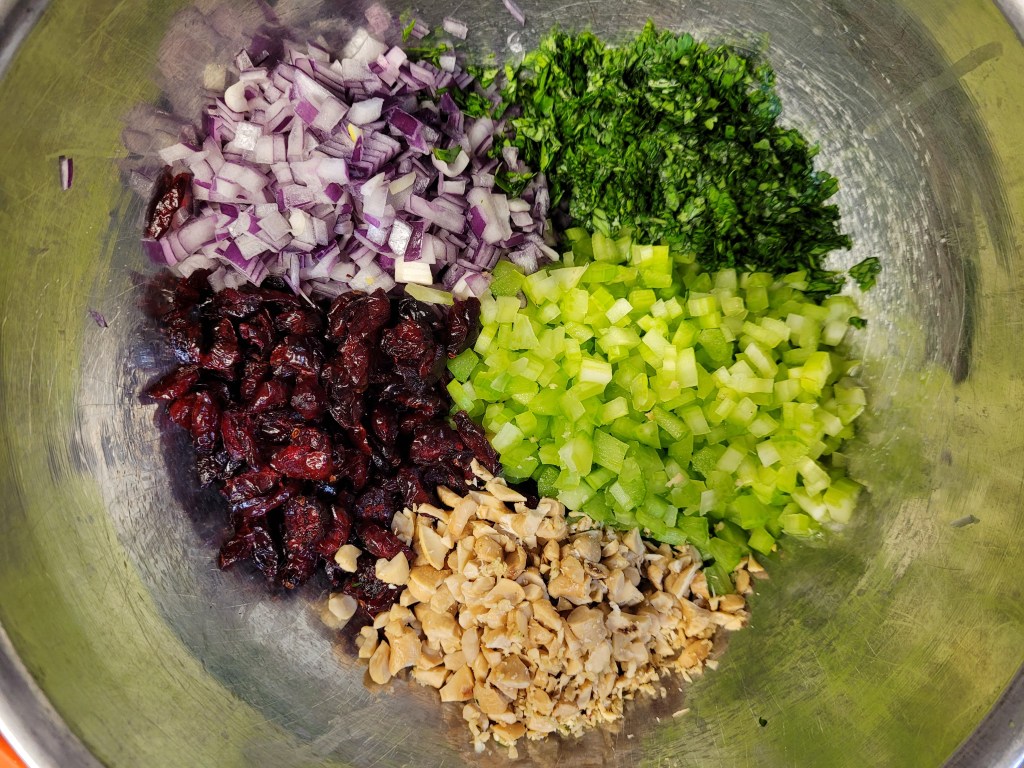
While chicken is cooking (or cooling) fine dice 1 whole red onion (yield ~1-1.5 cups), roughly 6 large celery stalks, and 1/2 cup cilantro. Cashews can be chopped with a chef knife or lightly smashed with a meat tenderizer–I recommend using a plastic zip top bag for this method to *mostly* contain the mess. Reduced sugar dried cranberries can be left as is or roughly chopped. Combine in a large bowl.

When chicken is cool enough to handle, shred or dice bite sized–however you prefer your chicken salad. I alternate between the two depending on if I am feeling like curry chicken salad salads (diced) or curry chicken dip and wraps (shredded).

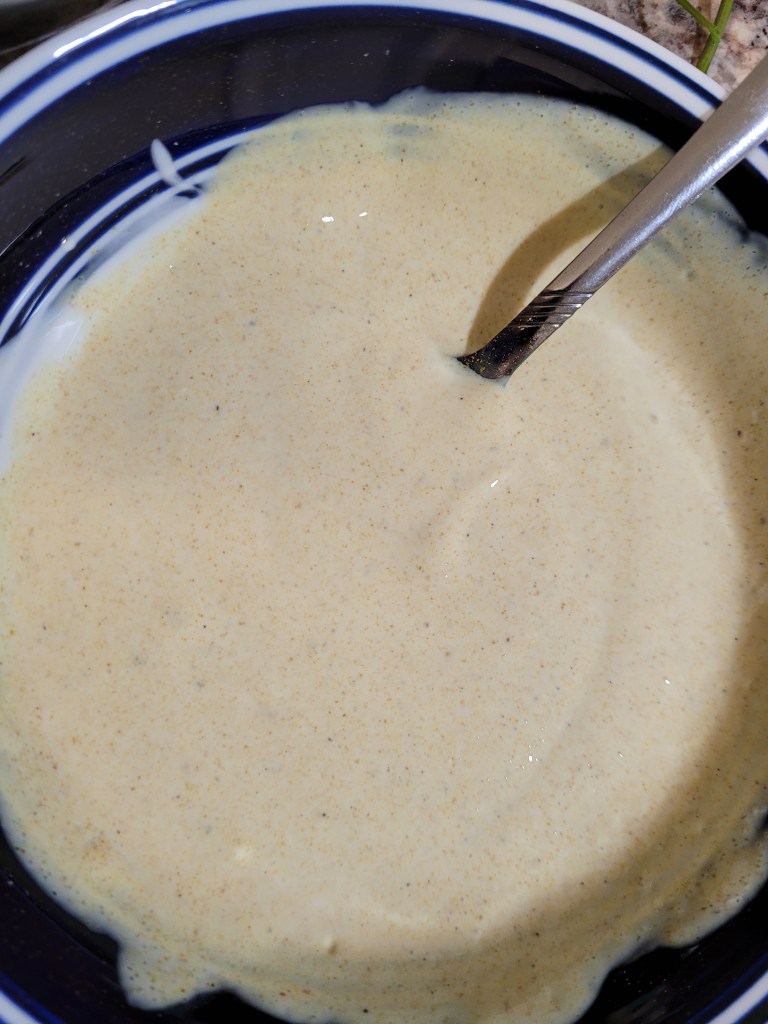
In a separate bowl, combine sour cream, yogurt, and spices. Taste and adjust seasoning to you preferences–start with less if you are hesitant and add slowly, fully incorporating before tasking again. I like to taste by mixing a teaspoon of my filling with a little bit of the yogurt dressing (knowing that over time the flavors will meld). Once you have the spice you like, stir it all together and enjoy! Will keep, covered and refrigerated, for up to a week.

*You can absolutely use bone in skin on if that is what you have/prefer, I would recommend basting the chicken and allowing to marinate refrigerated for 30 minutes or so to impart more flavor as you will want to remove the skins before chopping/shredding.

Note on sour cream: I have a strict preference for sour cream labeled as “natural”. It is made without stabilizers and typically only has three ingredients: cultured cream and skim milk, and enzymes. However, you can totally omit this and just use yogurt! Plain Greek yogurt and skyr work especially well as sour cream substitutes.

A note on plant-based… why would I label a chicken recipe “plant-based”? Because it is. This recipe is based in plants, the majority of the ingredients are plants, which is how you arrive at the definition of “plant-based“. As a dietitian, I think this is a really important distinction that all I talk about in all my classes. Plant-based does not exclusively mean vegetarian or vegan, it just means you mostly eat plants. Take it a bit farther, and you’re focusing more on whole (less processed) foods and incorporating small amounts of animal products that have (preferably) been raised in a regenerative and humane way. Plant-based and planet-based are the way to health.

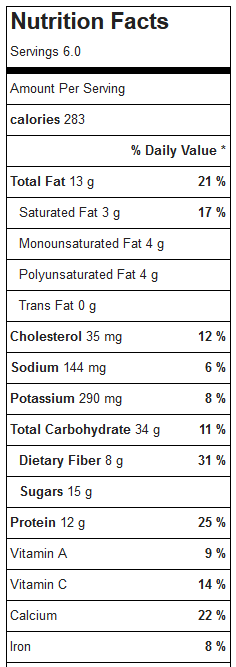
Nutrition information: