Upside Down

I went through a phase a little while back, where all I wanted to make was upside down food. The world feels a bit upside down, so our food might as well be too! This started with Smitten Kitchen’s chocoflan recipe. When I saw her photos, I immediately bought a bundt pan just to make this.

It’s supposed to be a magnolia flower, but my partner swears it is just spoons.

This recipe had me making my own dulce de leche and using multiple kitchen applicance. However, it was faily straightforward and otherwise used items I almost always have on hand: eggs, cocoa powder, cream cheese, butter, and brewed coffee. I’ve been told I’m not to make this again because it was impossible to stop eating. But if (when) I do, for our taste I’ll omit the coffee as it was too forward tasting and detracted from the rest.

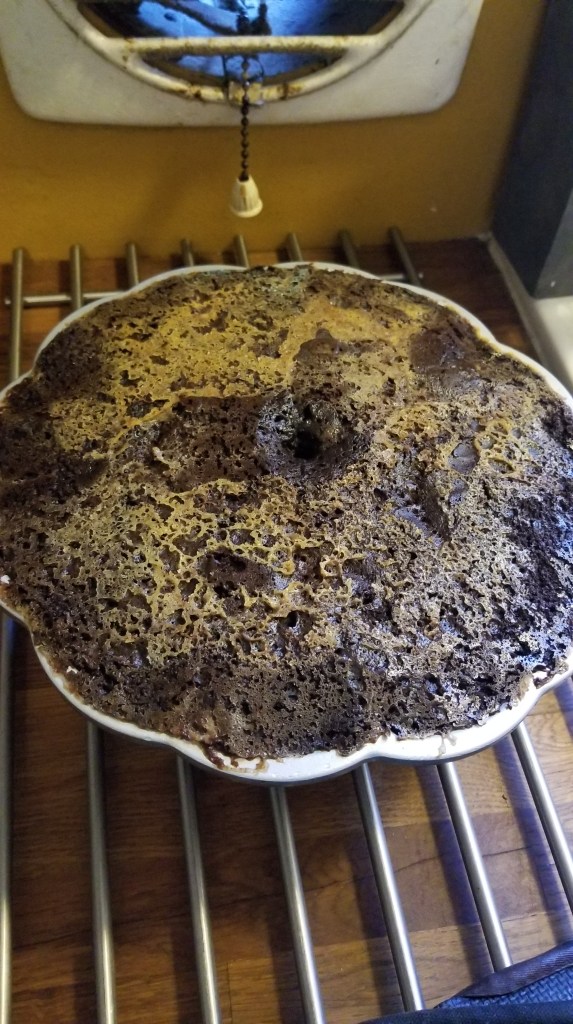
This recipe totally worked! I was sure it wouldn’t, that I would miss a step or otherwise mess it up. My chocoflan flipped as it should, swapping batter positions as it bakes, but otherwise looks nothing like the swirled beauty it is based off.

Moments prior to the great reveal.

This desert only got better with age (for the week or so it lasted before we gobbled it all down). Next time, I will plan for sharing.

The second flipped meal I made was Maqlooba, which the internet tells me translates to “upside down”, how fitting. During my time interning at the Farm at St. Joe’s, one of the volunteers told me about this recipe as it is his favorite food to make to share with a crowd. The two of us may not be a crowd, but can eat like one if need be!

I based this off a conglomeration of recipes and what I remembered him telling me. Ground lamb, eggplant, and rice were the main staples. All produce used was local and the meat was from my 4-H lamb.

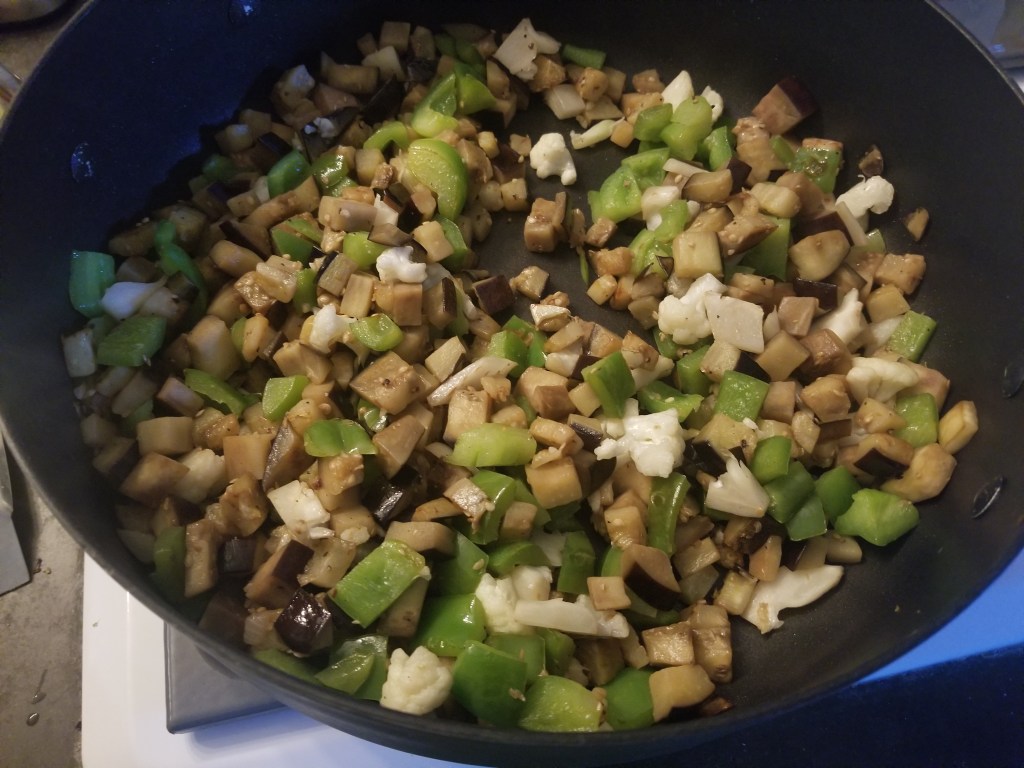
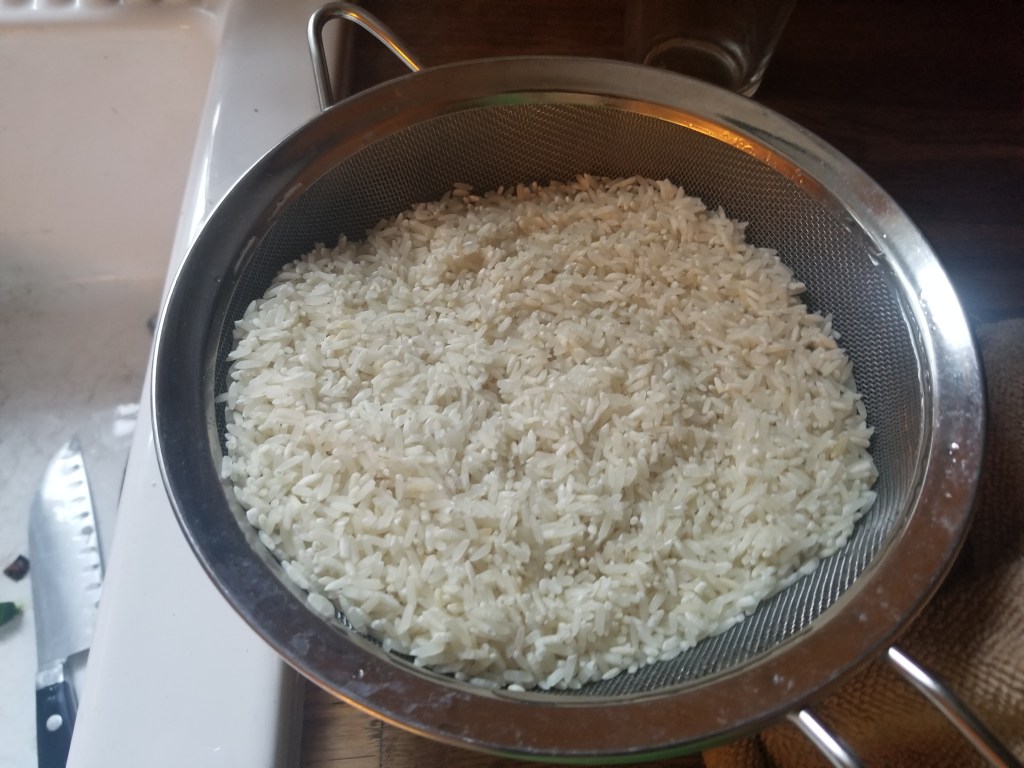
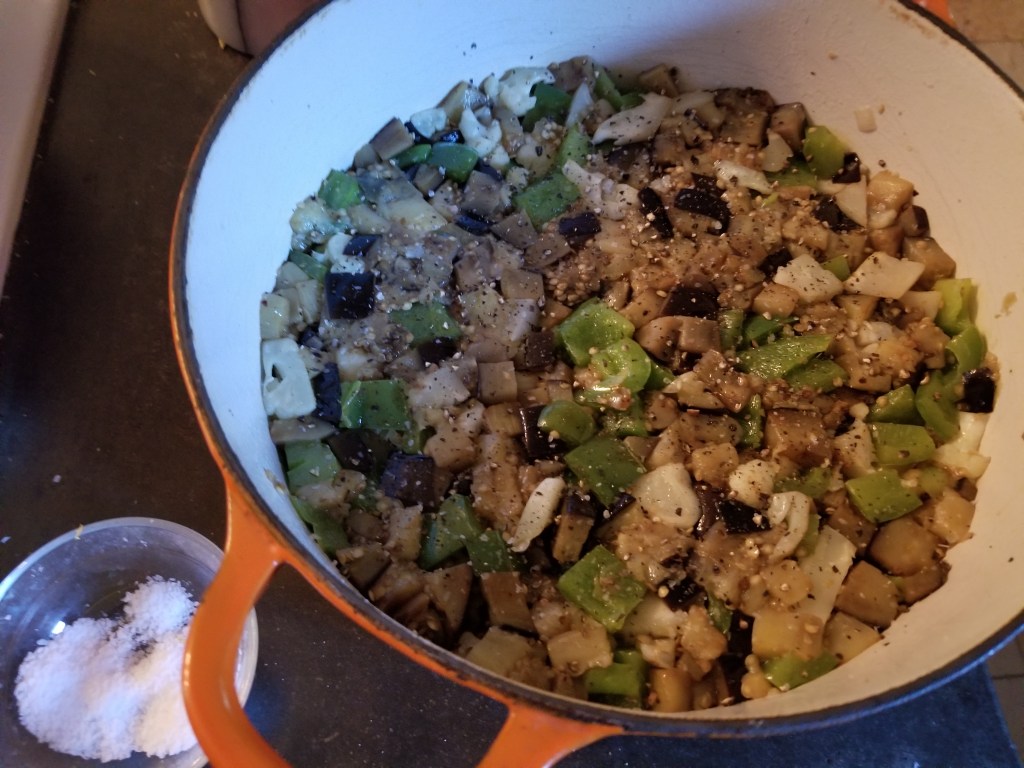
The recipe involved cooking all ingredients except the rice (which was rinsed), with a pot of stock simmering alongside at all times.

The layers began with sliced, raw tomato, followed by the seasoned, cooked lamb and onions, which was pressed down as tightly as possible. The next layer was the vegetable medley; I used zucchini, green bell pepper, and cauliflower. Again, this is mashed into place, by hand, as densely as possible. The final layer is the rinsed rice. After this is mashed down, the hot stock is poured ever so delicately, sometimes using a plate to disperse the stream. Then you put the lid on the dutch oven, turn the heat on low, simmer for 45 minutes and hope for the best.

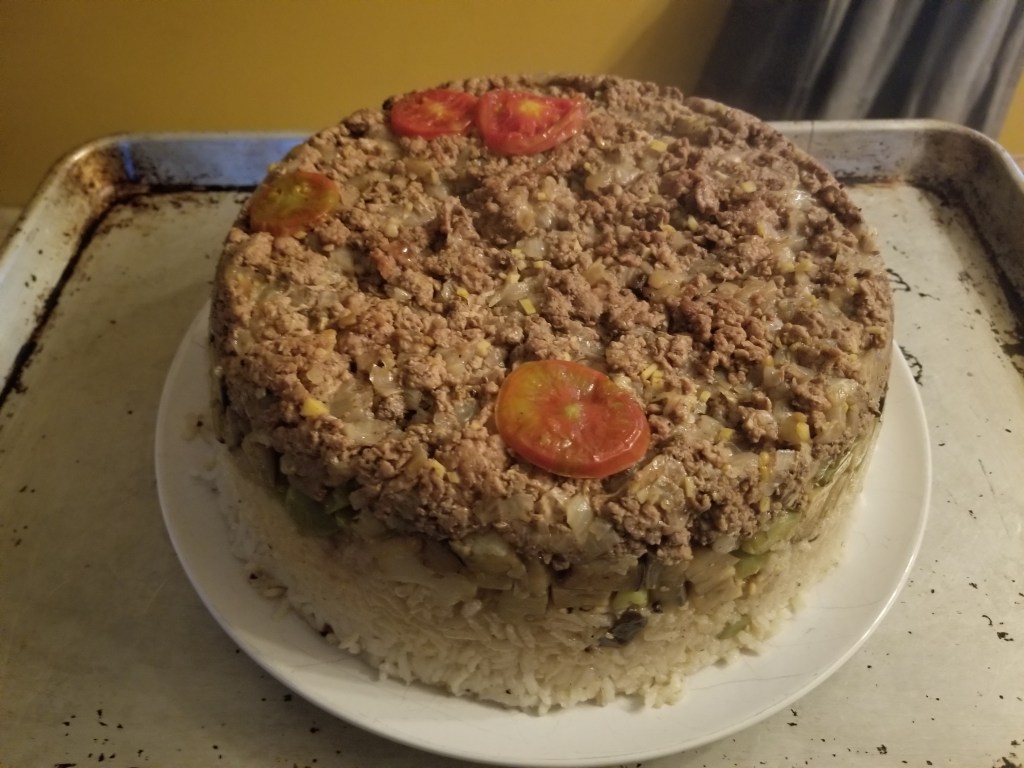
This mostly worked, too! I was so delighted. I expected it to cave in at any time, but it kept its shape. Until serving when at that point it splayed out completely. This turned out pretty delicious as well, but had about five times more rice than we would have preferred. I am certain that most of the recipes call for so much rice to keep the number of servings above 8. The main recipe I followed called for 2.5 cups uncooked rice, which I used, even knowing how astronomical it would be when cooked.
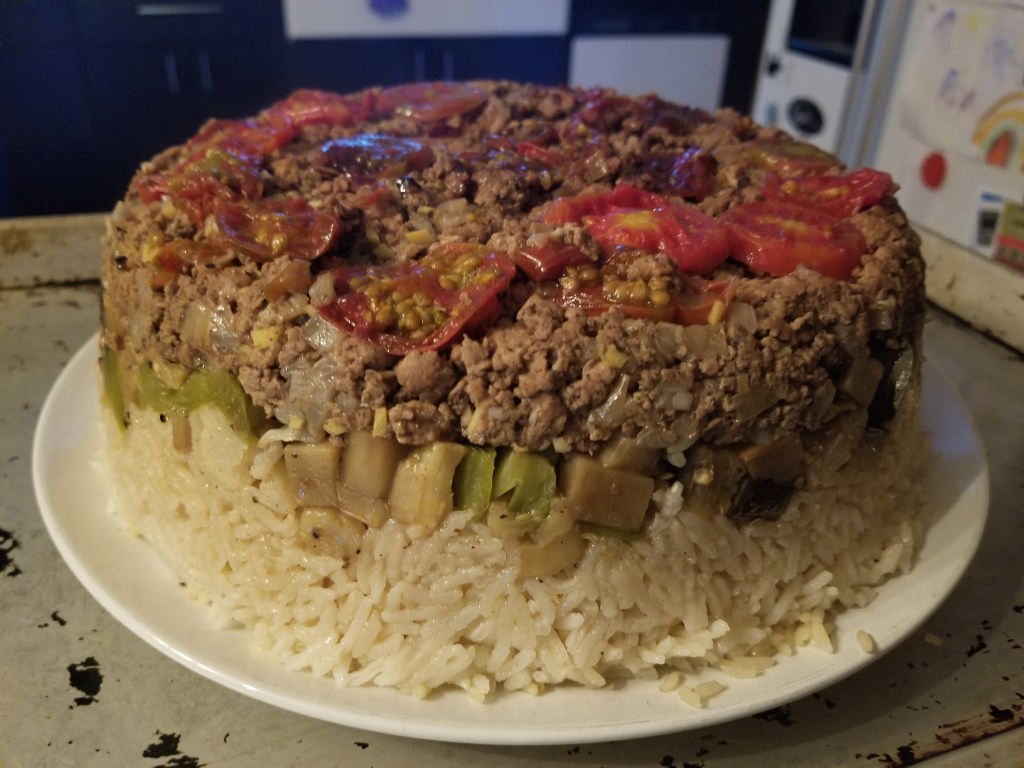
So fancy, upside down food! Who knows what right side up really means anyway.

This week I finished up three of my four classes and am excited to get started on other projects. First up was some well deserved house cleaning, followed by organizing all the seeds I saved this year. I was thinking of offering heirloom sampler packs for sale, maybe with a growing and/or seed saving guide. Give the gift of self-sufficiency!
Tallow

In 2014, I attended the second 4-H auction of my life. The year previous, my friend Jen shared her secret to local, ethical, affordable meat that supported area youth. I signed up as a bidder with the hope of returning home the proud owner of a delicious pen of chickens. What had been, in years past, a category overflowing had dwindled to one family of three children raising chickens. I was quickly and devastatingly outbid by local businesses who were better able to financially support the kids. Admittedly, I was more interested in eating the fruits of their labor. I did manage to win a pen of rabbits which gave me the opportunity to learn how to breakdown an animal (thanks, YouTube).

But in 2014, I was determined to come home with a much larger prize to fill my new freezer. I don’t eat a lot of meat, especially not red meat, but I do have a taste for lamb.* This was my first time bidding in a live auction and I was ill-prepared for how stressful it would be! Every time I raised my paddle, my heart was pounding out of my chest, I was sweating, and I’m pretty sure I cried a little. I set a price cap and was outbid on my first three choices. On the fourth, I was also outbid, but the winner chose to only take the smaller of the two lambs (they are generally sold in pairs). At this point, as the second highest bidder, I was asked if I would like the larger lamb at the winning bid. I was so exhausted from bidding and had only planned on keeping one lamb, so I agreed. Jen was joyously congratulating me when I felt someone tapping on my left shoulder. I turned to see an elderly woman at my side, smiling at me with teary eyes. “Thank you,” she said. When I clearly looked confused she elaborated, “That was my grandson. Thank you so much for buying his lamb.” The unlikelihood was not lost on me, and this definitely felt fated.

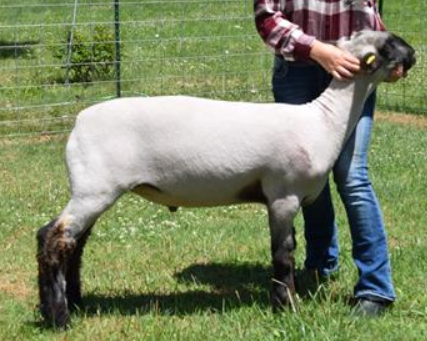
With my goal met, Jen and I wandered off to find the lamb I had purchased. I took her photo, which has since been lost due to my poor digital management skills. Shown is the lamb I purchased this year. I cannot stress the importance of knowing where your food comes from, of teaching children where their food comes from, to begin to build an appreciation for the world we live in. With that appreciation comes gratitude.

That same year, I had taken a soap making class with the MI Folk School. As a person, I want to see and do everything at least once. When I had my lamb butchered, I asked for everything but the head. I specified all bones and fat trimmings. I had plans to make stock and to make soap.

Fast forward six years and with the purchase of another lamb looming in my future, I needed to make space in the freezer. The bottom drawer was completely full of a garbage bag of trimmings.

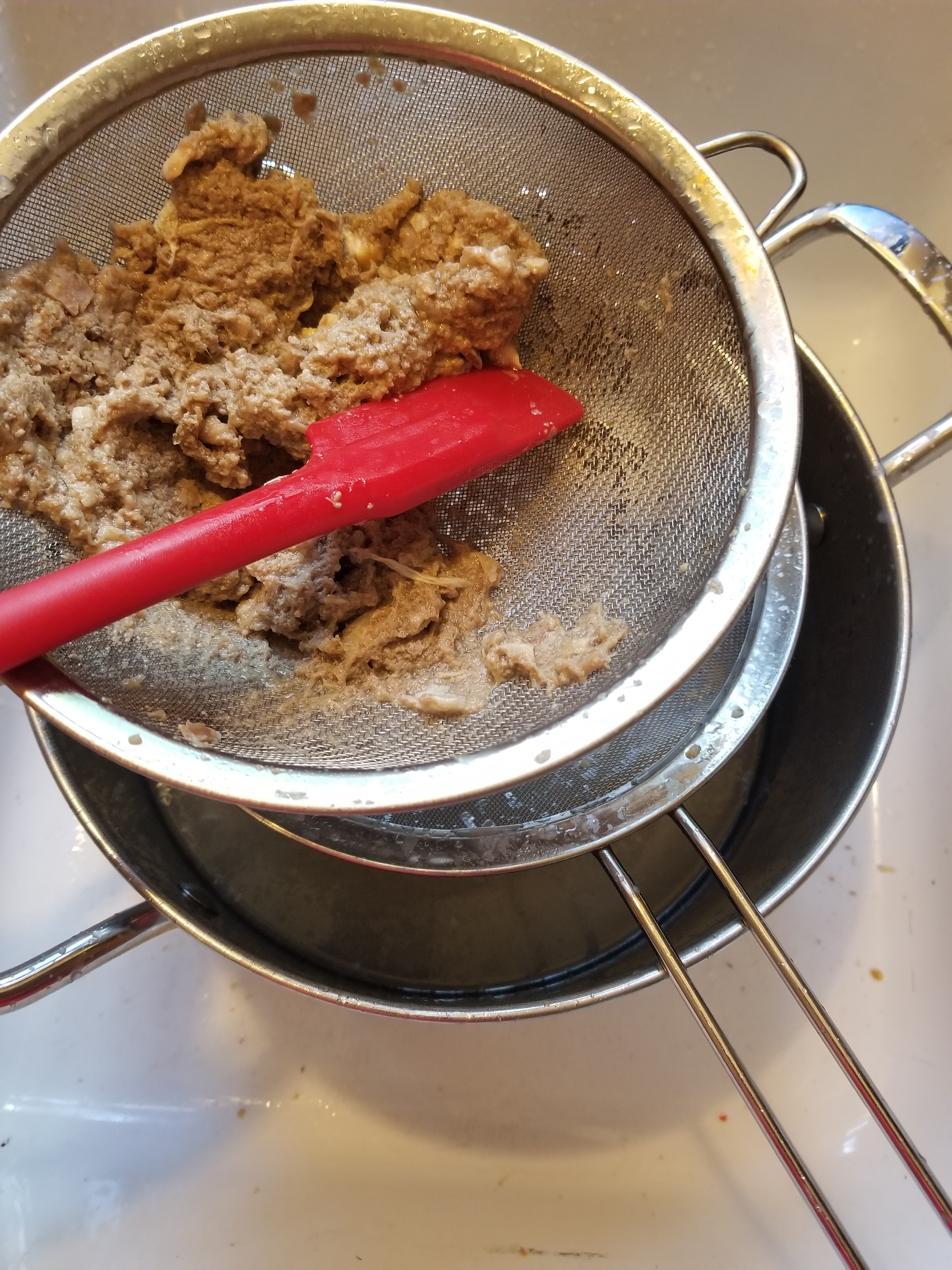
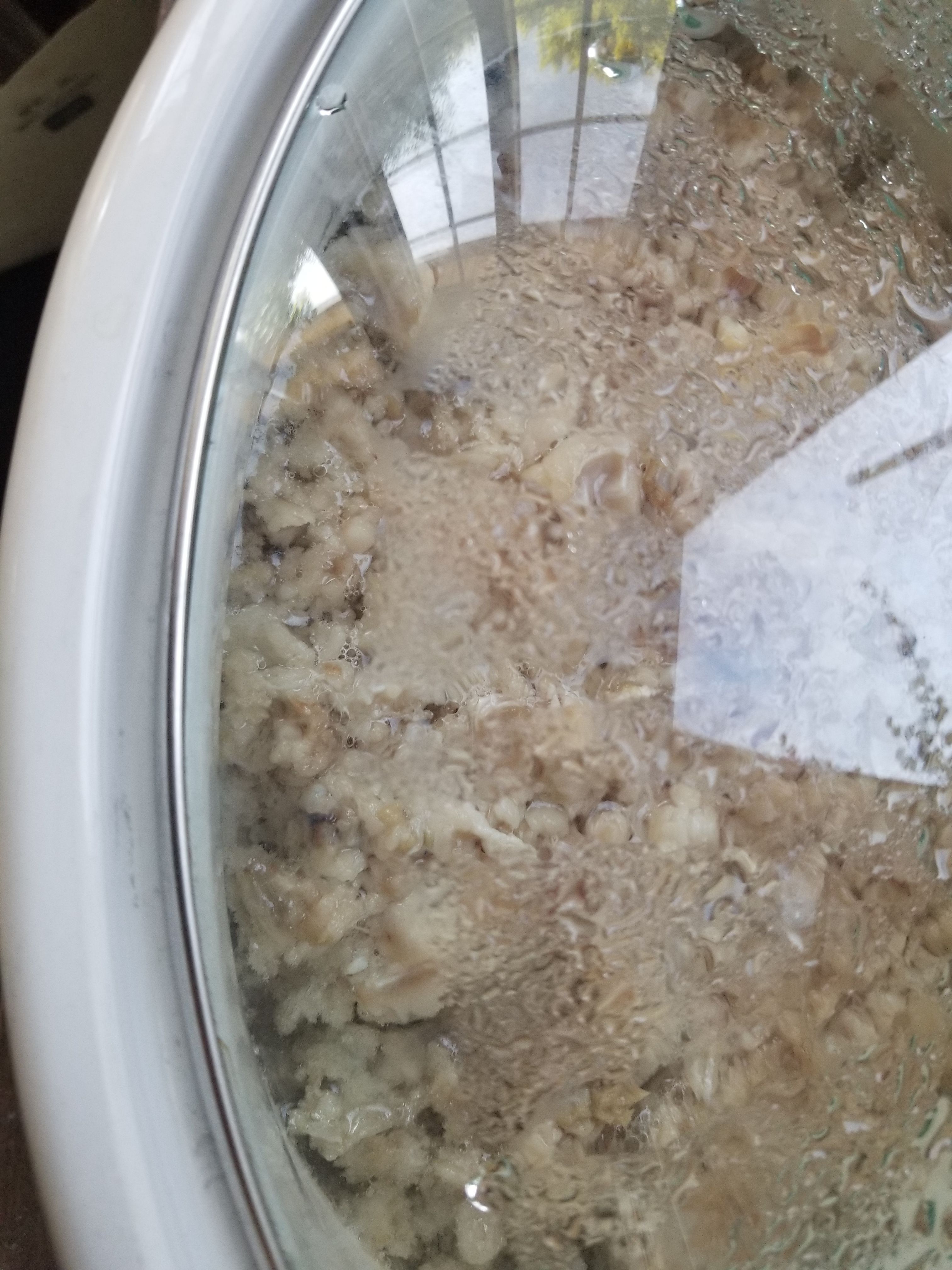
I worked through it in batches. Thawing, grinding, and cooking down the trimmings. I used the wet method of rendering the tallow. This meant adding enough water to submerge the particles. I used my giant crockpot, which I set in the mudroom as all the articles I read warned that this process would be stinky. This was the right choice. While it didn’t smell bad, it smelled a lot.

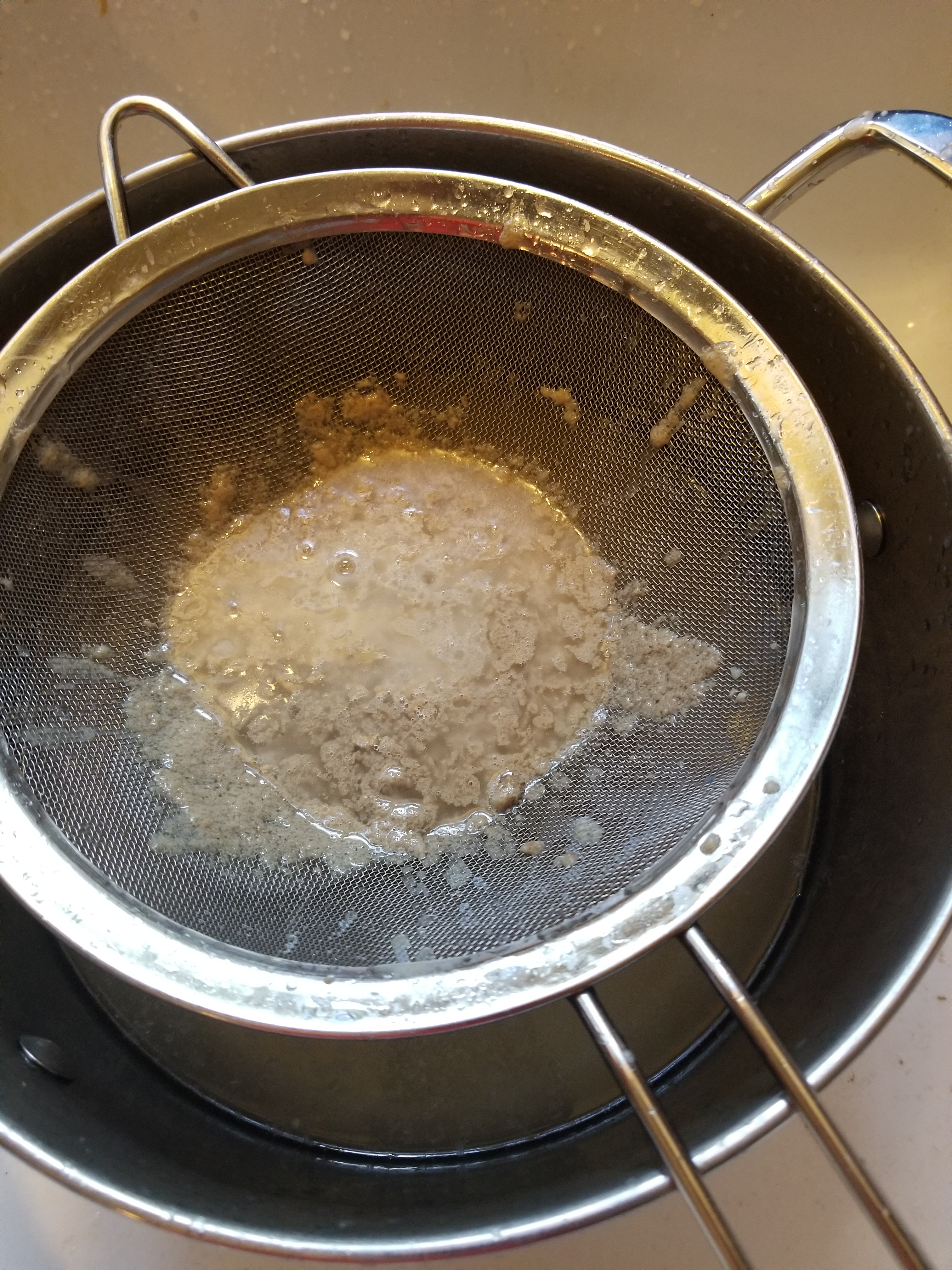
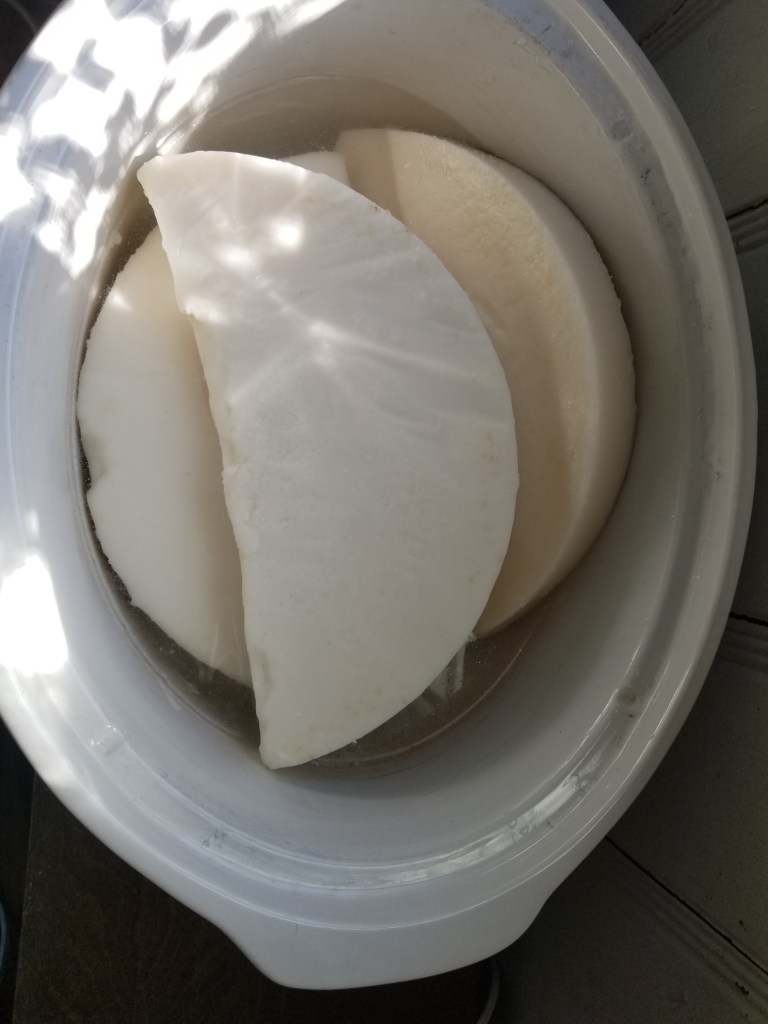
After the first rendering, which I left to cook overnight, I realized I had quite a bit of straining to do. The suet was still in chunks and I was aiming for a homogeneous product. After double straining, I let the mixture cool to separate the tallow from the liquid. This remaining liquid was brown and thick and per internet recommendations, I flushed it down the toilet. I was left with impure tallow that still smelled a bit meaty. Personally, I prefer my soap to not smell like food. I wet rendered the tallow a second time and created a creamy white, almost scent free product.

I felt so much gratitude at this step. I stood over my pot of tallow and cried, thanking this lamb and the little boy who raised her for giving me this opportunity. Not only for feeding me for the last few years, but now allowing me to create another tangible, necessary item and grow my skill set.

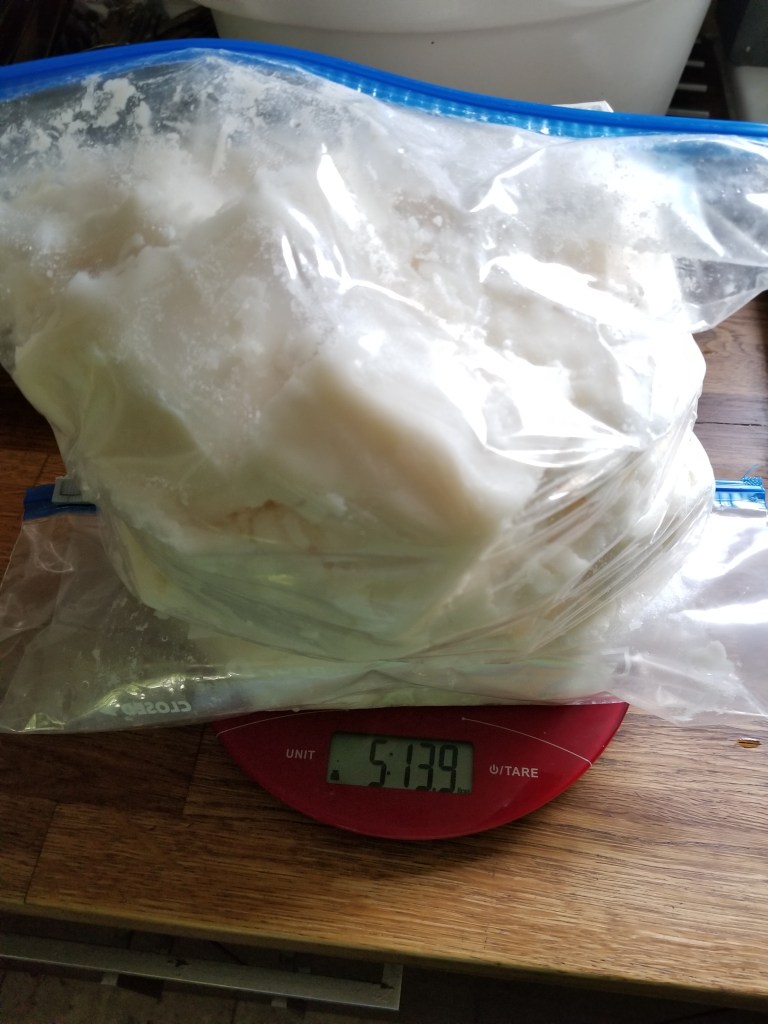
I might not have taken the head or hide, but I used as much of this animal as I could. I rendered, in total, just under 8 pounds of tallow, destined for soap and delicacies to be detailed soon.

*Not as big of an appetite as I had presumed; it took me almost six years to finish the whole lamb.