Zone 10a Gardening

It’s like not riding a bicycle for 10 years and deciding today is going to be the day! Except the only passage of time was a three hour plane ride, 45 minute drive and here we are. Gardening anew. Five full USDA hardiness zones warmer. My first foray into growing my own food was in zone 9a and mostly container gardening, here we are coming full circle back south with more gardening and nutrition knowledge.

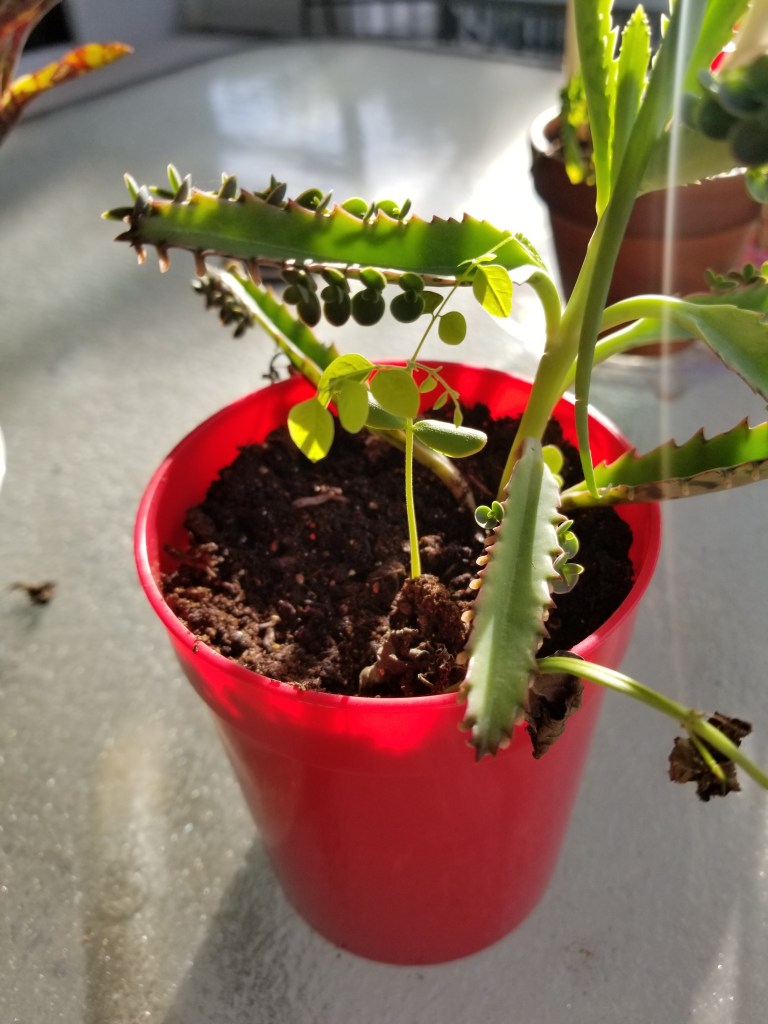
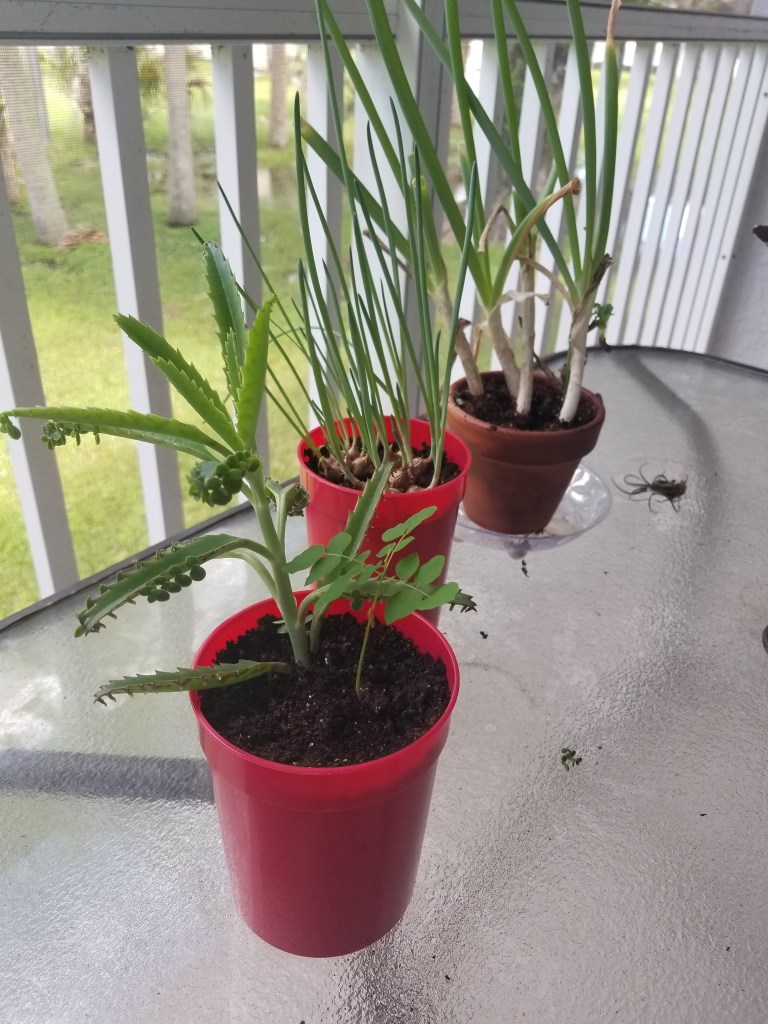
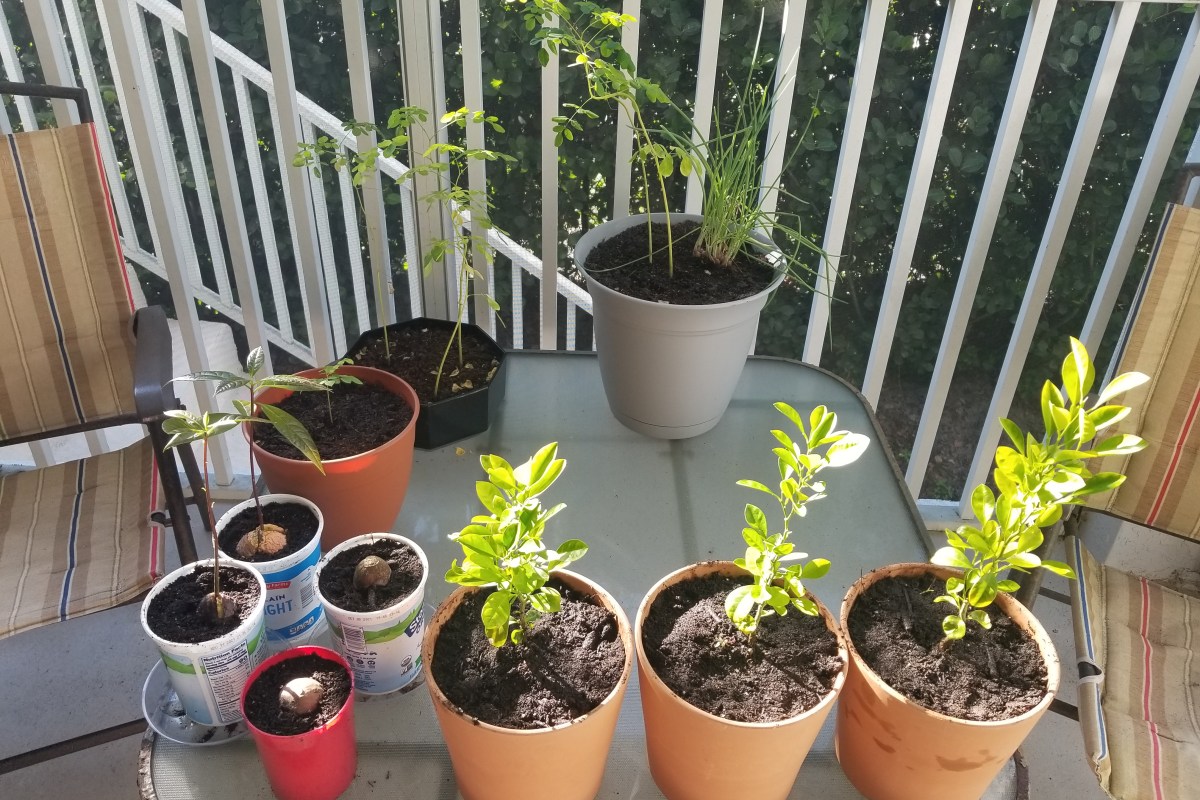
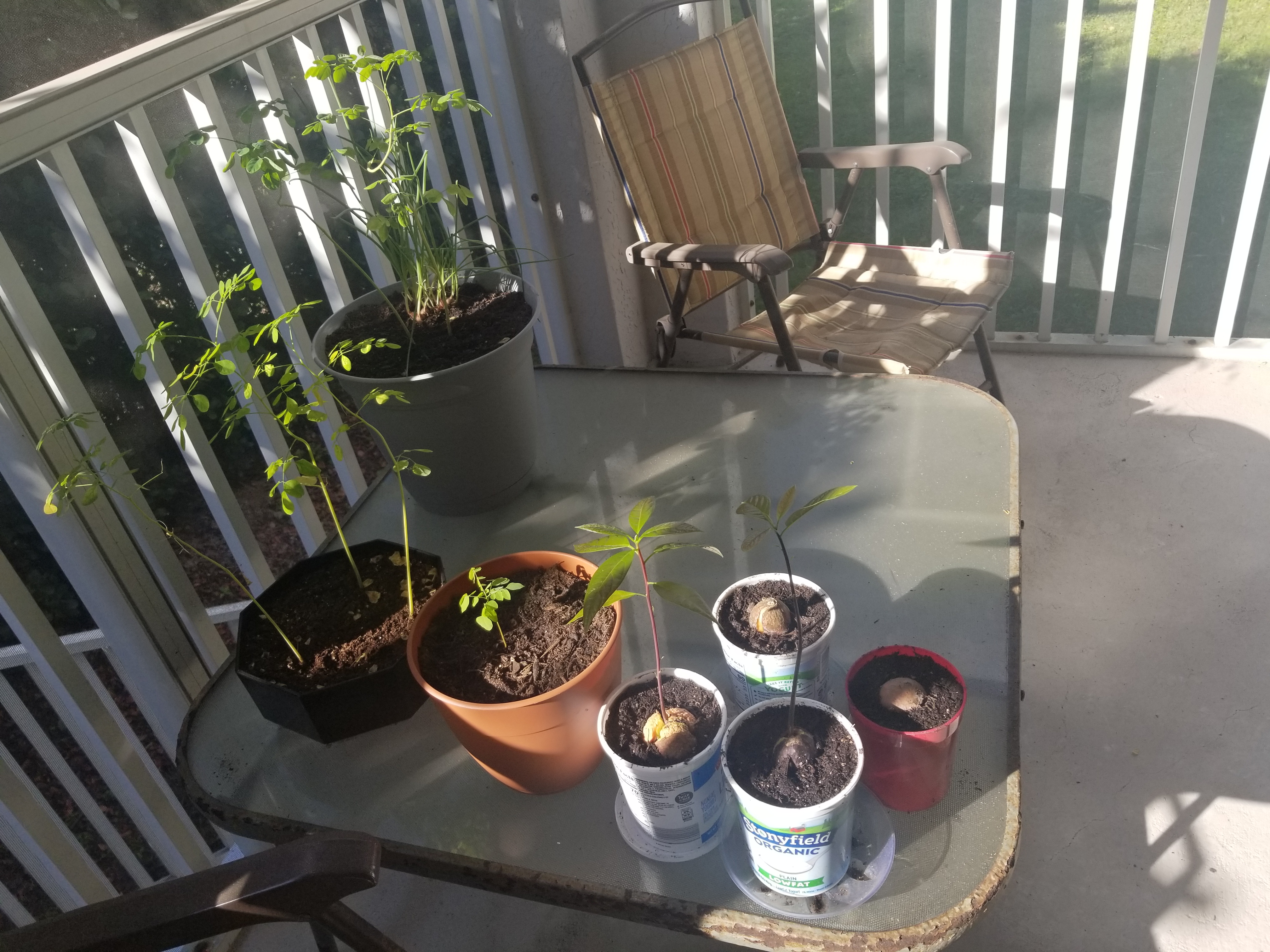
Carambola (starfruit) Averrhoa carambola, seedling. Took weeks to germinate, but sprang up double its size in only four days! The kalanchoe snapped off of a cluster of plants outside an office building and begged to be brought back with me. In the middle are Eqyptian walking onions I brought down from MI and green onions scrap planted from the farmer’s market. Most of these have been repotted already as you’ll see below.

I’d forgotten just how FAST things can grow in a tropical climate. A “tropical savanna”, to be more precise, with an average monthly temperature at or above 64.4F, hot & wet summers, and “cold” & dry winters. When I moved here, I was told there are four seasons: rain, hurricane, tourist, and fire. I moved here during the first and am now in the thickest of the third.

For the next few weeks, the only gardening space I have is a lanai (screened-in porch) that gets mainly northern and then highly filtered west sun for about 45 minutes. The next big feat will be in securing an actual grow space, but what that will look like is still fluid at this point: apartment windows or patio, community garden space, or purchasing a property all remains to be seen. It’s definitely stressful, but I do have some good plants to show for the move.

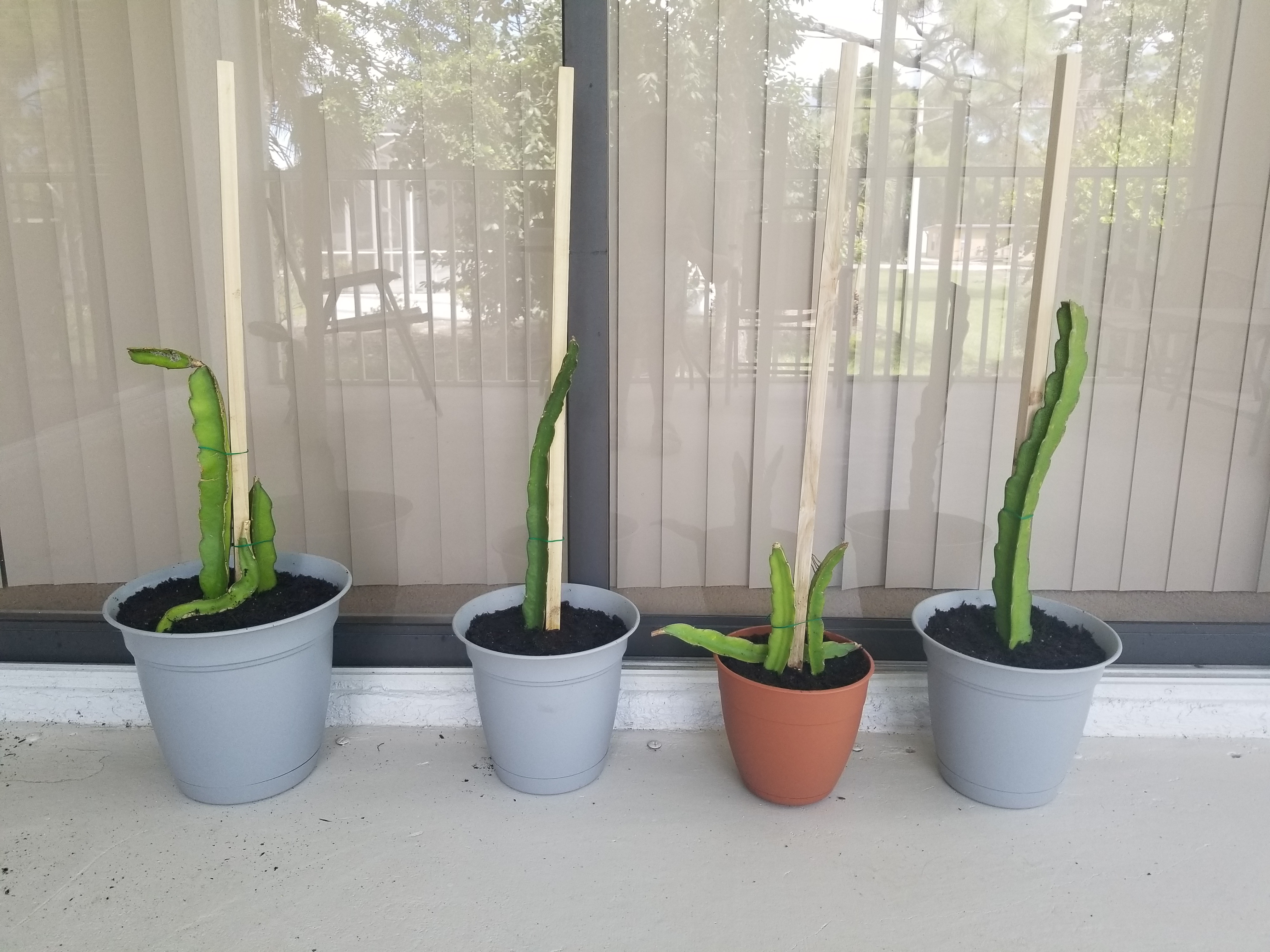
I was gifted a box full of dragon fruit cuttings – both red and white fleshed, some of which have finally started to show new growth! These are quite temporary homes for these plants, they need a much sturdier and larger trellis, but I was so excited to get them started I just went for it with some square dowels from the hardware store.

Most of my new edibles here have been gifts or scraps. I’m up to three avocado trees, five moringa trees (seeds purchased at market), one carambola seedling, and three calamondin (Citrus × microcarpa) trees (free off craigslist). On the docket, space prohibiting, are kumquats and pigeon peas gifted from a coworker. I’m patiently waiting on any one of three canistel (yellow sapote, eggfruit) Pouteria campechiana seeds to germinate. According to the Extension services down here that may take up for four months.
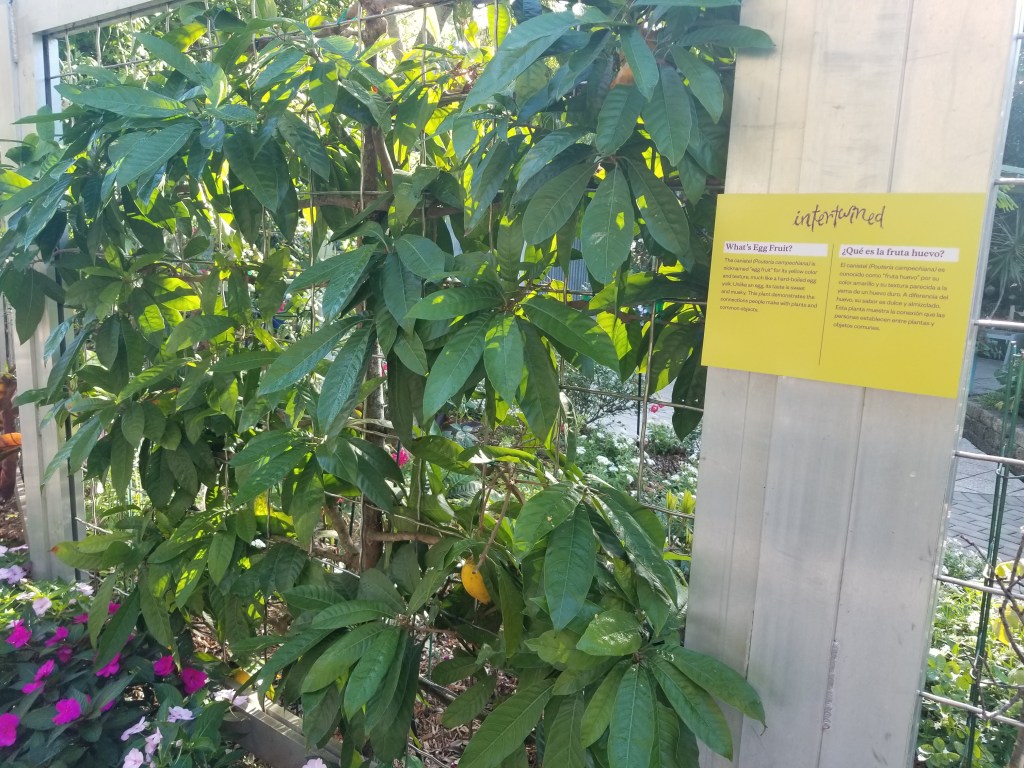
Canistel was described to me by my new farmer friend David as “sweet pumpkin”, which in no way does this fruit justice. It is in the top five of best things I have ever eaten. Like a golden egg yolk in color and creamy texture–there’s nothing like it. We went to the Botanical Gardens last weekend and found a tree they were growing trellised as a hedgerow. I love it:
Other than that, cooking has been strange. Learning how to use an electric stove again (first time with the glass top version though) has been quite a steep hurdle. Combine that with almost the entirety of our belongings still in a storage container and it has reduced cooking much closer to being a chore than something enjoyable.

Hopefully as we get settled into a more “permanent” living situation, and now that I’ve completed my M.S., there will be more time to explore the unique ingredients that this climate offers.
Black Beans + Recipe

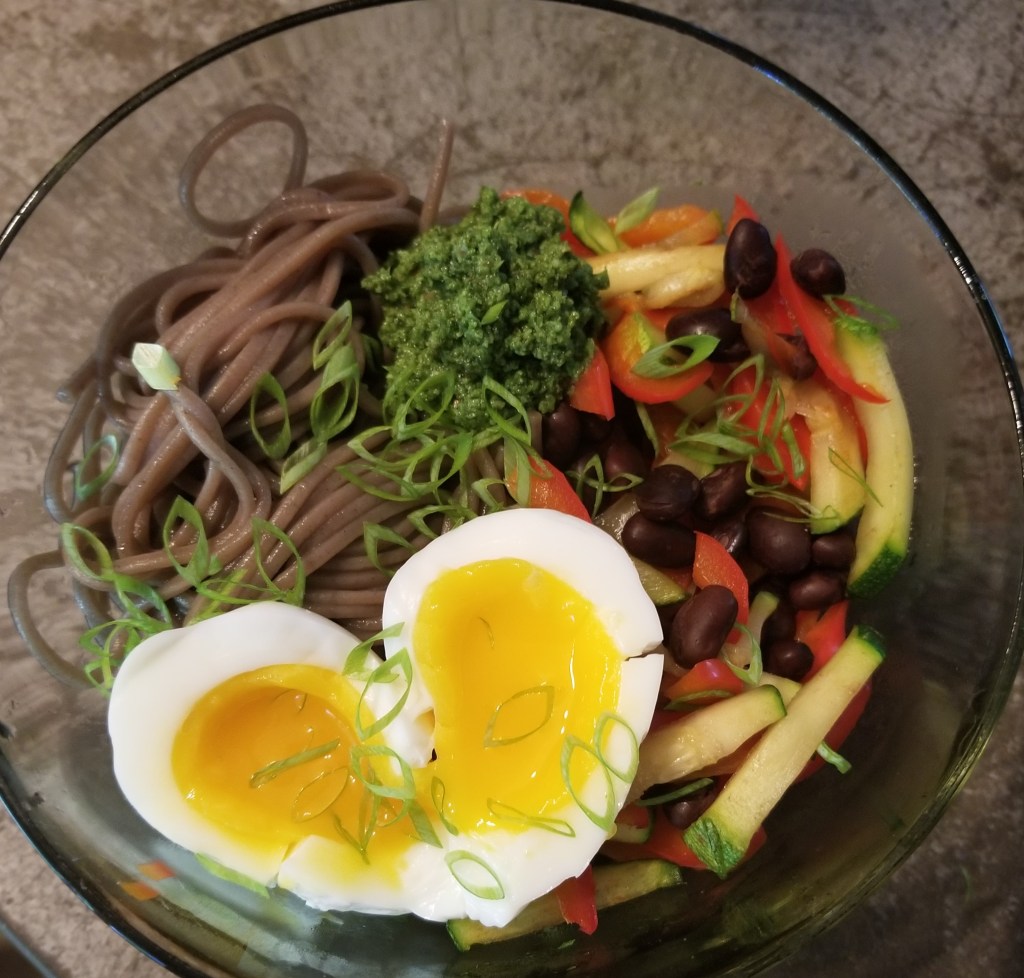
To begin: Soba Rainbow Pesto Bowl Recipe, page 19.*

My friend Amanda and I entered this Food Safety Recipe Contest. She had the finalist recipe in the Food Blogger category! My recipe made it in as an honorable mention, save the best for last some would say… I’m joking, only because my recipe and then my face are the last in the cookbook. This recipe is typical of something I would make for breakfast and is also gluten free; leave off the egg and parmesan in the pesto for our vegetarian and vegan friends!

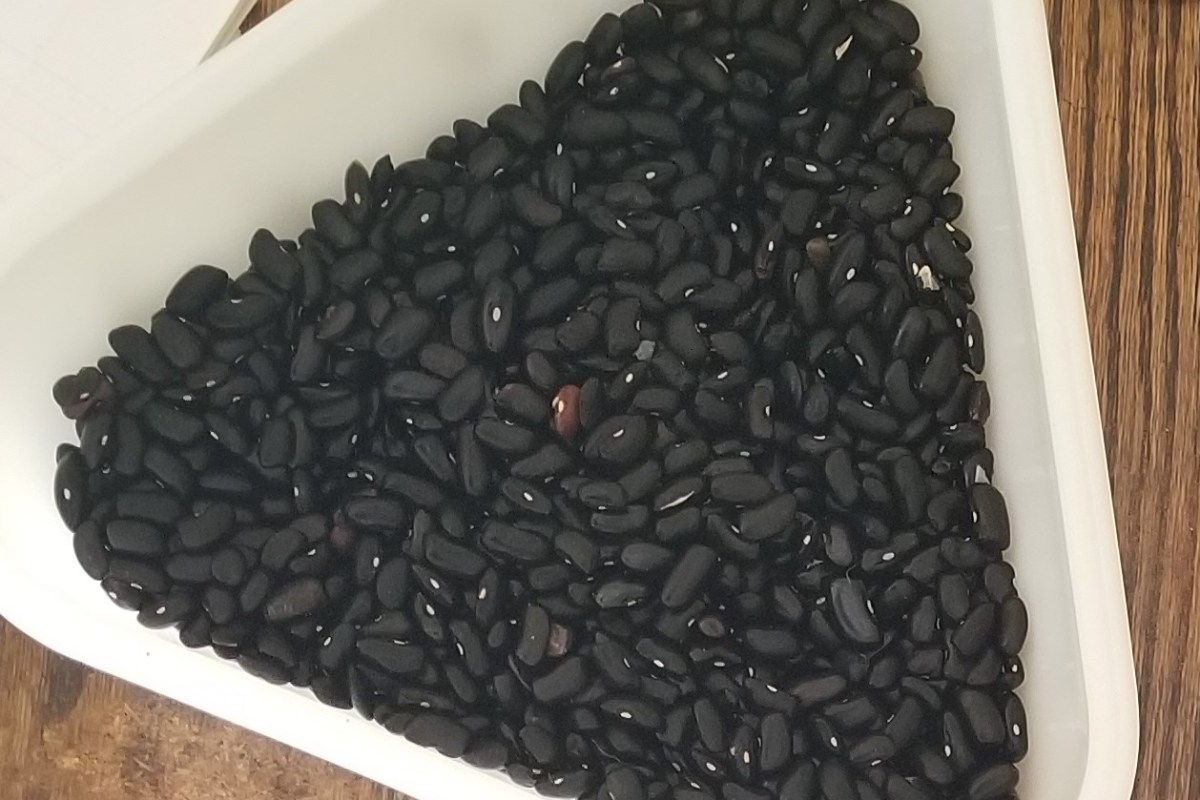
In approximately 2010, my friend Jen rented her first (I believe) community garden plot in her neighborhood. I remember reading (in a blog? on Facebook?) about her joy in growing black beans. I eat black beans, but it had never occurred to me that I could grow my own. Michigan is, in fact, the second largest producer of beans, but number one in the nation in terms of black bean production!

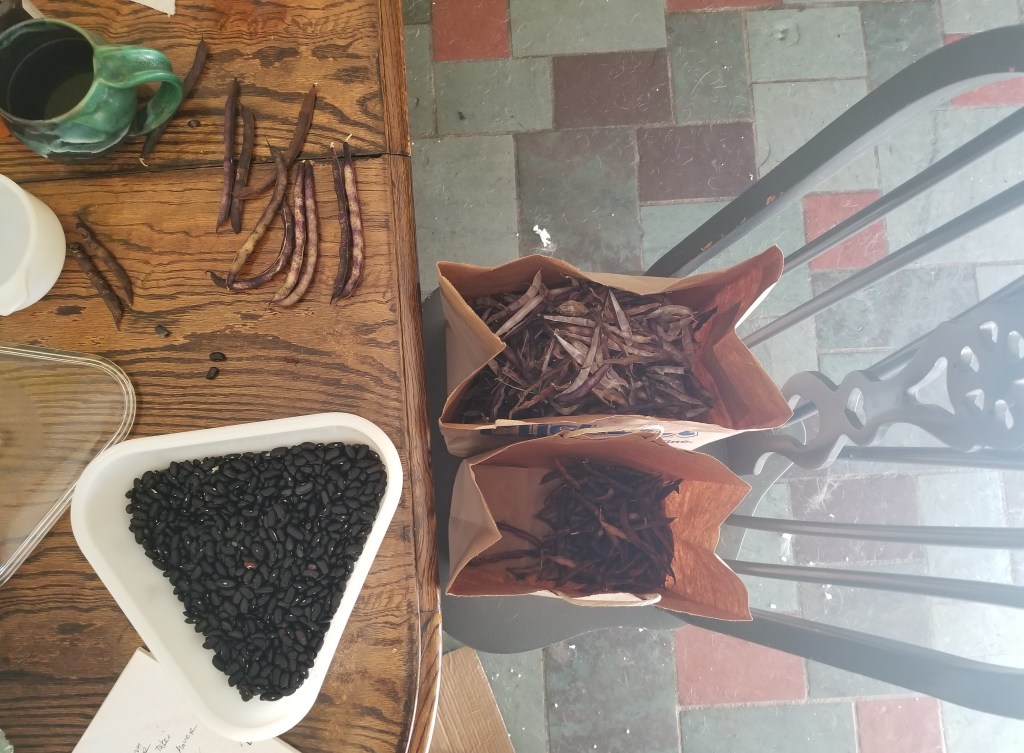
One bag waiting to be processed, the other for shells that make an excellent “brown” addition to compost (see previous post). The set aside beans are being saved as seeds for next year’s crop.

I am still stunned every year that I am able to grow protein. I think it is just the bees knees. Not just any protein, but heirloom that can be stored at room temperature for at least a year! My most favorite gardening task is shelling black beans, I look forward to it all year long.

I got a little over-zealous in my planting this year, much to the chagrin of the tomatoes. I really though the beans would climb the tomato cages and instinctively *know* to get out of the way to allow sunshine to reach the budding tomato plants. On the one hand, I grew enough black beans to last us a whole year. On the other, I produced roughly a quart of roma tomatoes and two slicing tomatoes. There was roughly double that, but they were carried away off the plants before ripening. I’m blaming the squirrels.

Beans are so easy to grow, can be a great project for children, AND help fix nitrogen in the soil. Win, win, win. Do you have a favorite type of beans?

*Here is an easy to copy + paste version of the recipe:

Ingredients

Pesto:

1 bunch sorrel*

¼ c raw almonds

2 cloves garlic

2 tbsp grated parmesan

1 tbsp lemon juice

2 tbsp olive oil

½ tsp cayenne

salt + pepper, to taste

Bowl:

1 bundle (345 g) buckwheat soba noodles

1 tbsp olive oil

1 c zucchini, sliced into batons

1 c red bell pepper, diced

8-10 cherry tomatoes, quartered

2 large eggs

1 c black beans, drained + rinsed

1 green onion, thinly sliced

*If sorrel is unavailable, substitute spinach, basil, parsley, or a combination. Extra pesto will keep tightly covered in the refrigerator for seven days, or freezer for up to three months.

Directions

1. Wash hands with soap and water.

2. Gently rub sorrel under cold running water. Tear into bite size pieces and place in food processor.

3. Add remaining pesto ingredients to food processor. Run for 5-10 minutes or until combined into a paste, adding more oil as needed.

4. While the food processor is running, bring a large (6 cup) pot of water and a smaller (4 cup) pot of water each to a boil.

5. Turn off food processor and taste pesto. Season with salt and pepper as needed, processing well after each addition. Cover and transfer to refrigerator.

6. Scrub zucchini with clean vegetable brush under running water. Slice into 1” long batons.

7. Scrub red bell pepper with clean vegetable brush under running water. Dice the red bell pepper.

8. Gently rub cherry tomatoes under cold running water. Cut in half and in half again (quartered).

7. Concurrently, heat olive oil in skillet over medium-high heat. Add zucchini and red bell pepper; stir-fry 2 to 3 minutes, then add cherry tomatoes and black beans. Cook until vegetables are fork tender and slightly browned.

9. Once the large pot of water has reached a boil, add buckwheat soba noodles. Stir occasionally, cooking for 8-10 minutes until fully cooked.

11. Drain and rinse buckwheat noodles. In a large bowl of cold water, “wash” the noodles, rubbing them between your hands. Change water up to three times as needed until mostly clear.

10. To the small pot of boiling water, add both eggs in shell, cover, and reduce heat to medium-high. Wash hands with soap and water after handling raw shell eggs. Cook for 6 minutes to an internal temperature of 145°F. Transfer eggs to a bowl of ice water and peel.

Assembly:

1. Evenly split the buckwheat soba noodles between two large bowls. Top each bowl with half of the vegetable mixture, 1 tbsp prepared pesto, an egg, and garnish with thinly sliced green onion. Enjoy immediately.

Cultivating Kindness

I would never tell someone they weren’t gardening well enough, but remind myself of this daily. I often forget to find joy instead of seeking productivity.

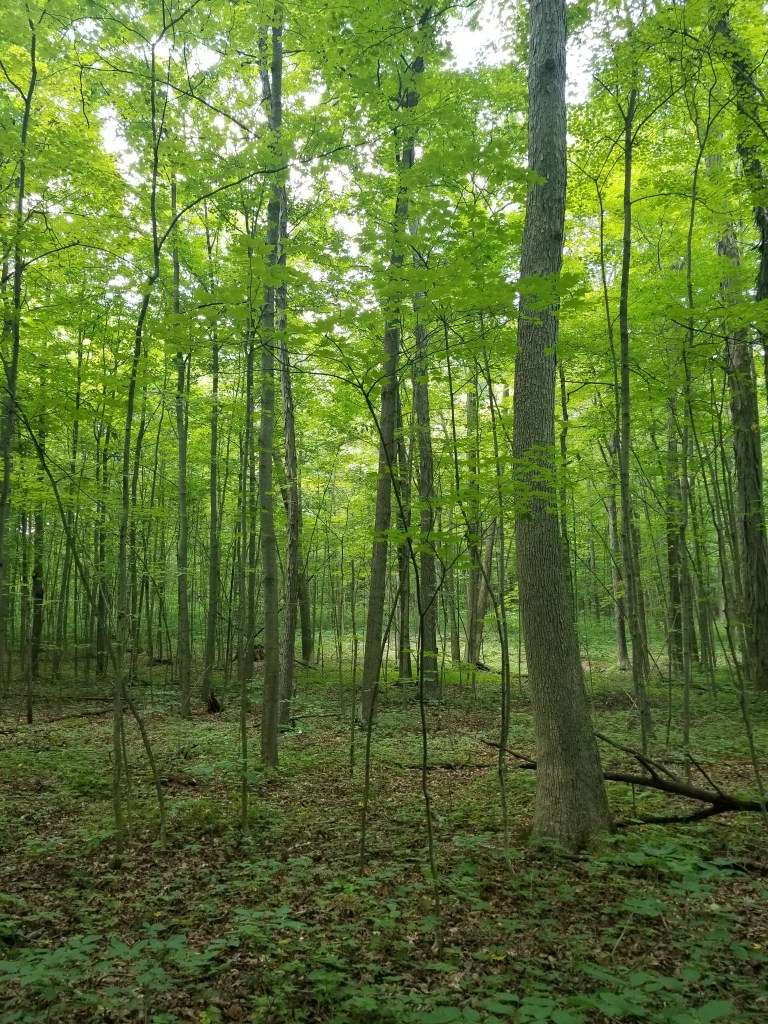
Many years ago, I was leaving from work to forage for wild raspberries. It was my first time that year and I lamented to my friend David, “What if the raspberries aren’t ready yet?” The spot was 25 minutes in the opposite direction of home, the brambles a good 30 minute walk into the woods. He looked at me incredulously and stated, “Then you had a nice walk in the woods,” as if it were the most obvious thing. It took me back and I stood mouth agape for a few moments as I realized a different, a better, perspective to what I had perceived as a task, as an objective to be accomplished.

As frustrating as it is, this is something I still remind myself of at least weekly. Separating worth from productivity is a daily struggle, especially when “relaxing” for me is still a form of doing: reading, repotting, cooking, weeding, cleaning… The “lower level” tasks that are more automatic, things are still being accomplished, but I don’t have to think too much. Lines are crossed off a to-do list, it is easier to feel like my time is not wasted.

Last week, my childhood friend Etta came over to trade bounty and I took her on a walk around the “farm”. She marveled at how far along my peppers and tomatoes were. I sheepishly replied that I had started the seeds at the end of February. Honestly a bit later than I usually do. I spoke to how poorly things were performing, how much better she grows beets than I do and she looked to the sky remarking that she has full sun where I certainly do not.

Inherently, I know this. I know that vegetables need at least 6 hours of full sun per day to thrive. No amount of water or nutrients will alter the fact that my plants will not do as well as they could with the requisite amount of sunlight. “Good enough” always seems to be an estimation of what could be or should be, when really it should be what is.

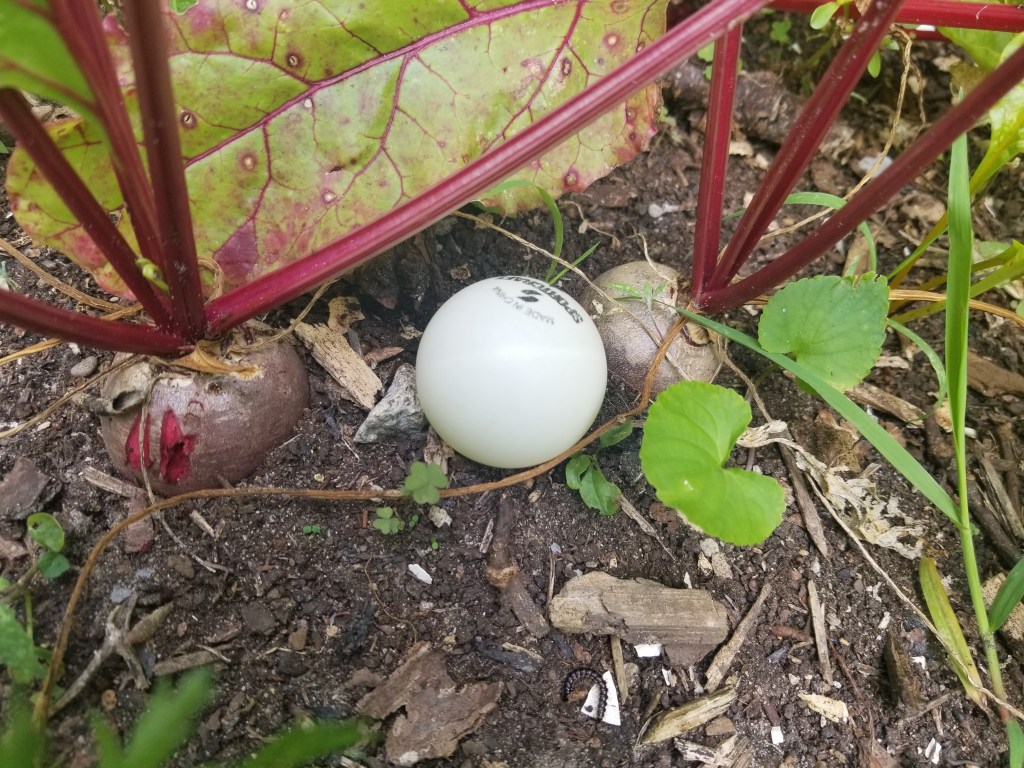
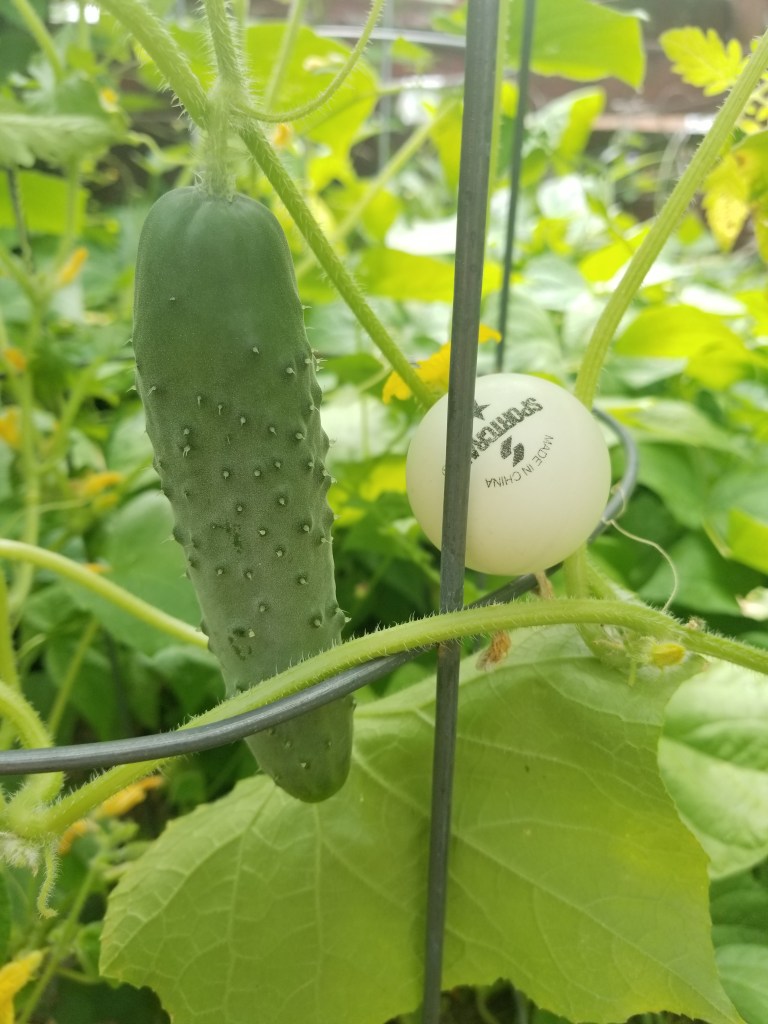
So how are the vegetables doing with ample nutrients and water and partial sun? To cultivate that joy, I used a ping pong ball to showcase growth.

And this is just a sample. This doesn’t include the fifty or so productive green and wax bean plants, the thriving basil, mint, thyme, chives, and oregano. It doesn’t show that there are at least ten other highly productive cherry tomato plants of five different varieties all waiting to ripen. Nor does it show the zucchini that is hesitant to set fruit, or the slicing tomatoes being choked out by vining beans. Or the swiss chard that has been shared freely due to overplanting and production. It’s all a balance and I am so lucky to be able to explore the changes and growth that each day brings.

Soon I will be pulling bunches of carrots and in their place planting chinese cabbage, red cabbage, brussels sprouts and leaf lettuce. Perhaps I will have a fall harvest for the first time this year. If nothing else, I will enjoy some time outside.