Squash Season + the best way to freeze pumpkin puree

Late autumn, time to hunker down and store some vitamin A! Pumpkin and winter squash season is well underway, and I don’t know about you, but we are up to our elbows in fleshy orange goodness. It started with a Halloween carving session, tempered by a current lack of compost pile and desire to cut down on waste.
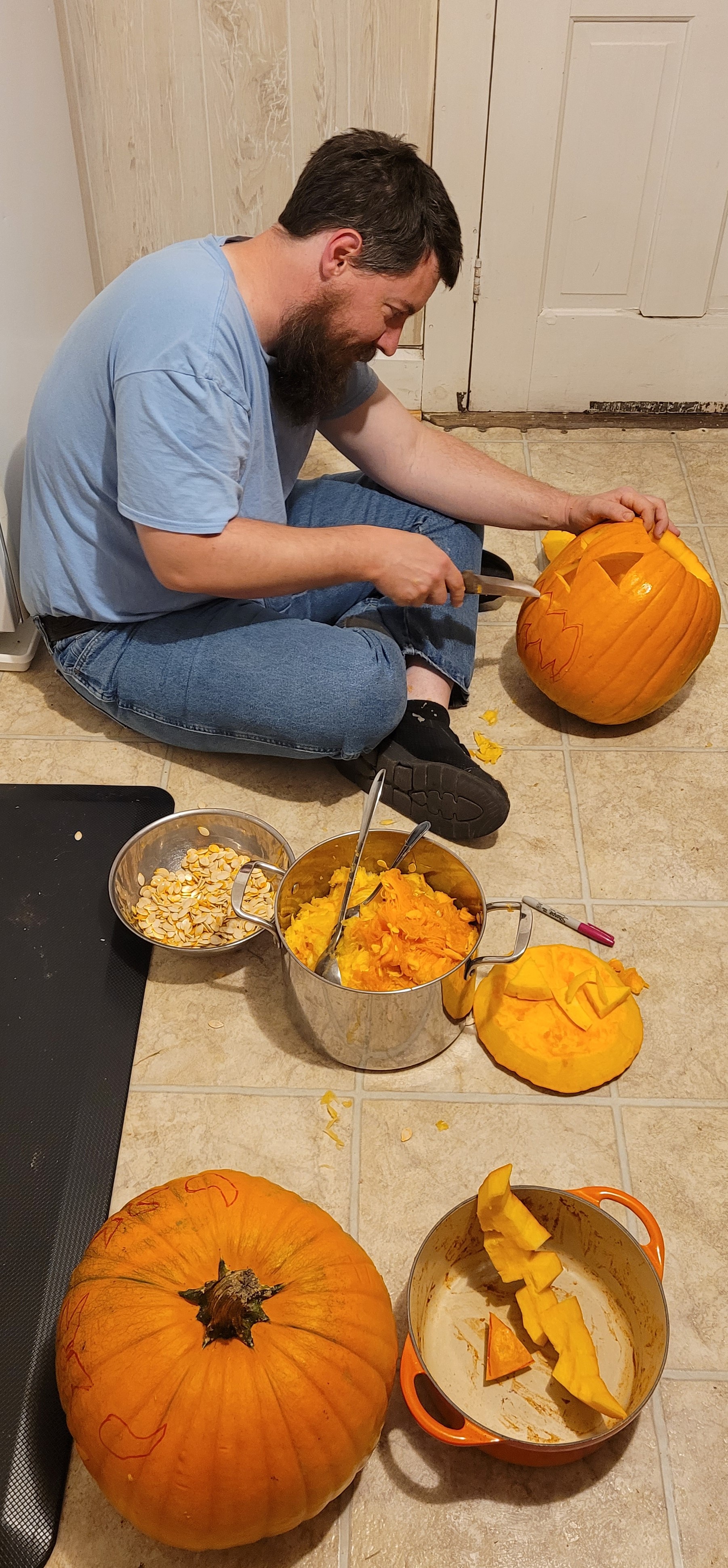
I went rogue and cut my pumpkin open from the bottom. It wasn’t the most resounding success and it was difficult to line up perfectly, but it was worth it for not having to stick my arm into the pumpkin to light the candle!

Seeds were roasted (rinsed, patted dry, 5 mins at 350 until dry and tacky, tossed with olive oil and salt, roasted ~20 minutes, stirred roughly every five minutes until lightly golden brown and smelling toasty) – the best we’ve ever made; and the innards were cooked down on low heat over many hours (at least eight) until darkened, thickened, and smoothed out with an immersion blender before cooking down some more. Carving pumpkins are notoriously watery, cooking them down takes more than twice as long as squash grown for comestibles.
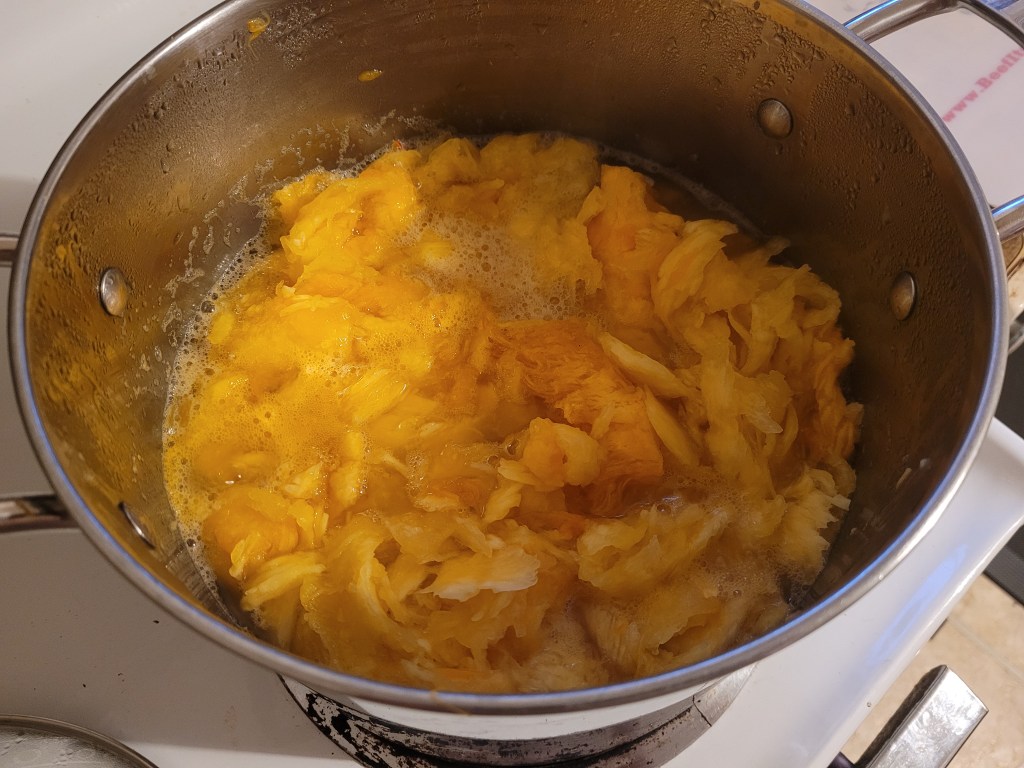
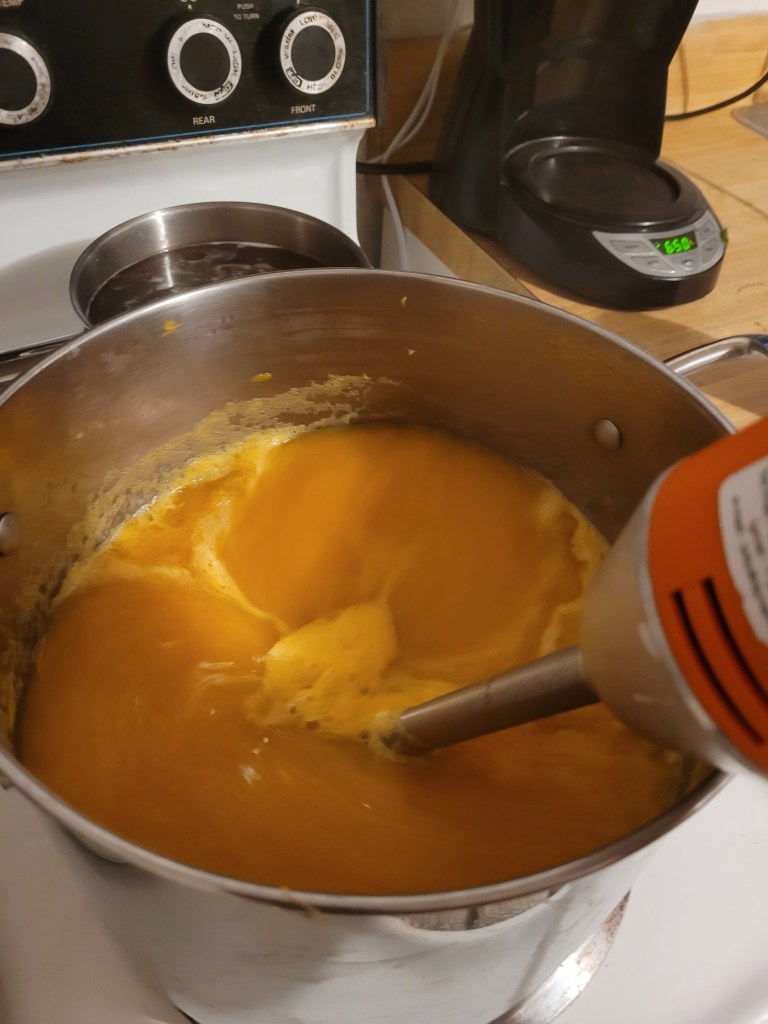
This was all, of course, prior to cooking any of the cucurbits purchased for the purpose of consuming.

This puree has already taken many forms:

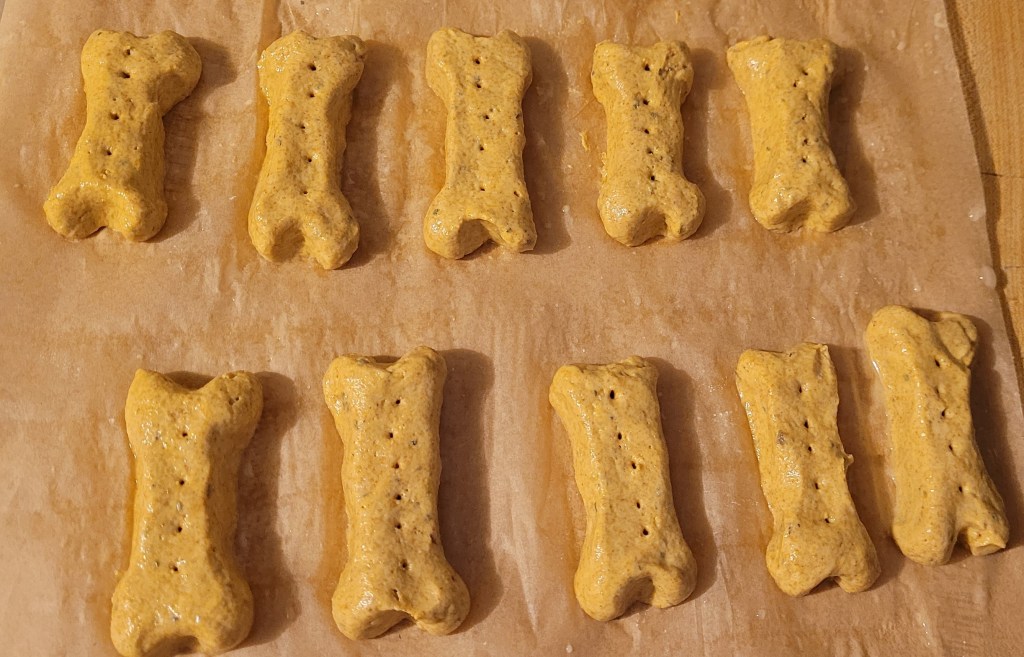
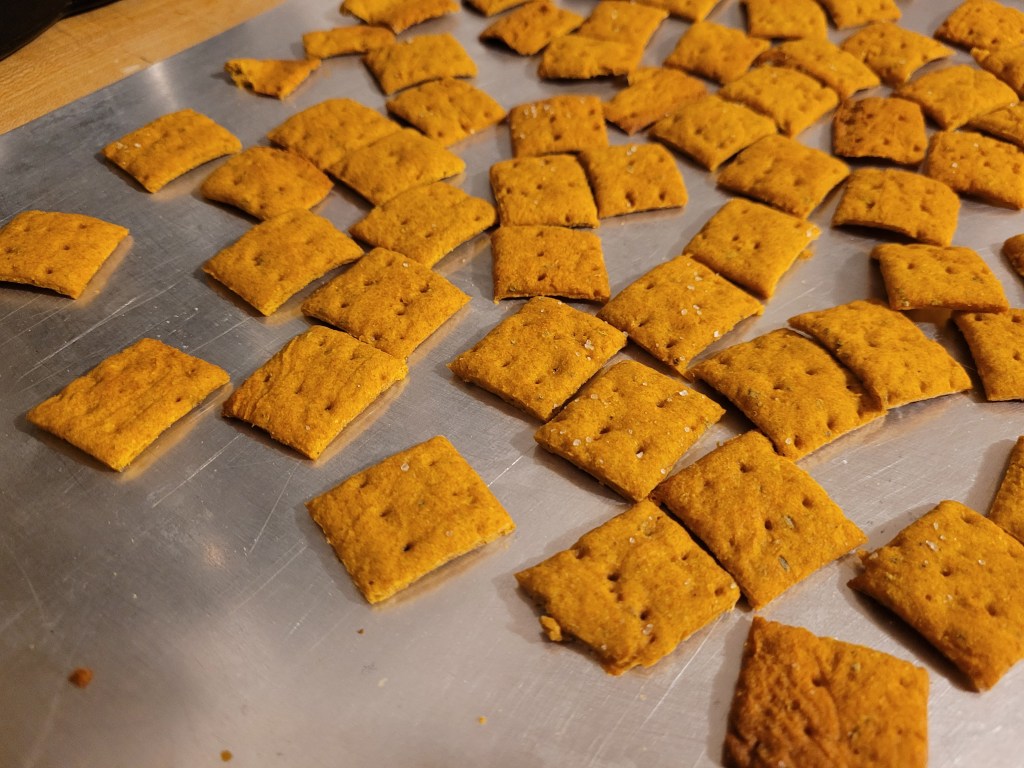
  • Dog treats and sea salt sage crackers
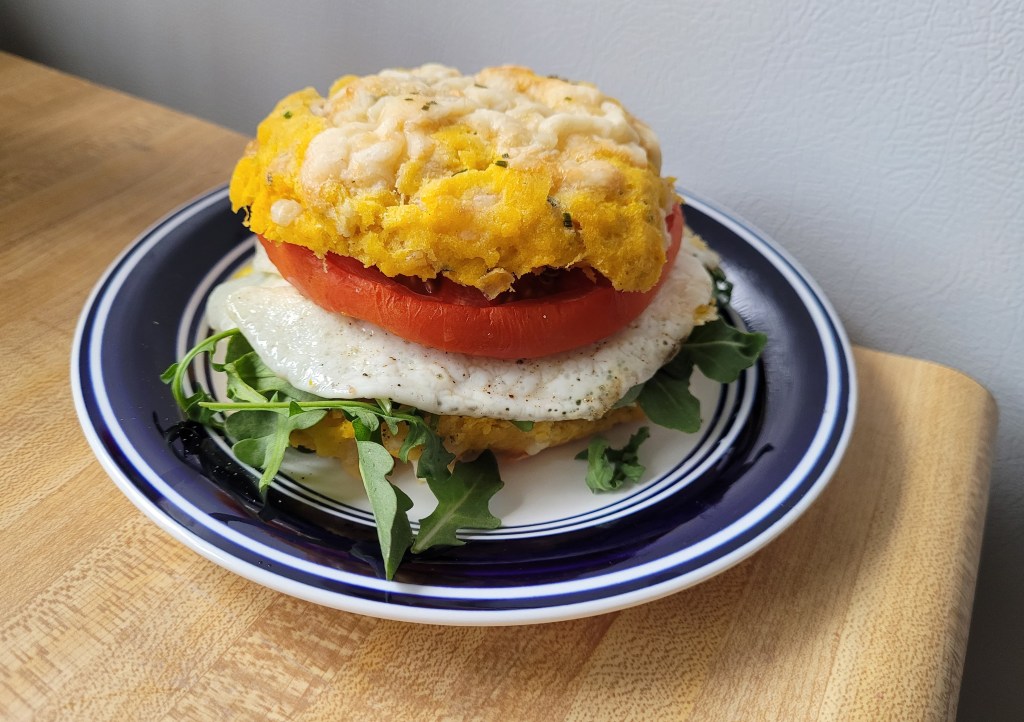
  • Savory cheesy scones (perfect for breakfast sandwiches)

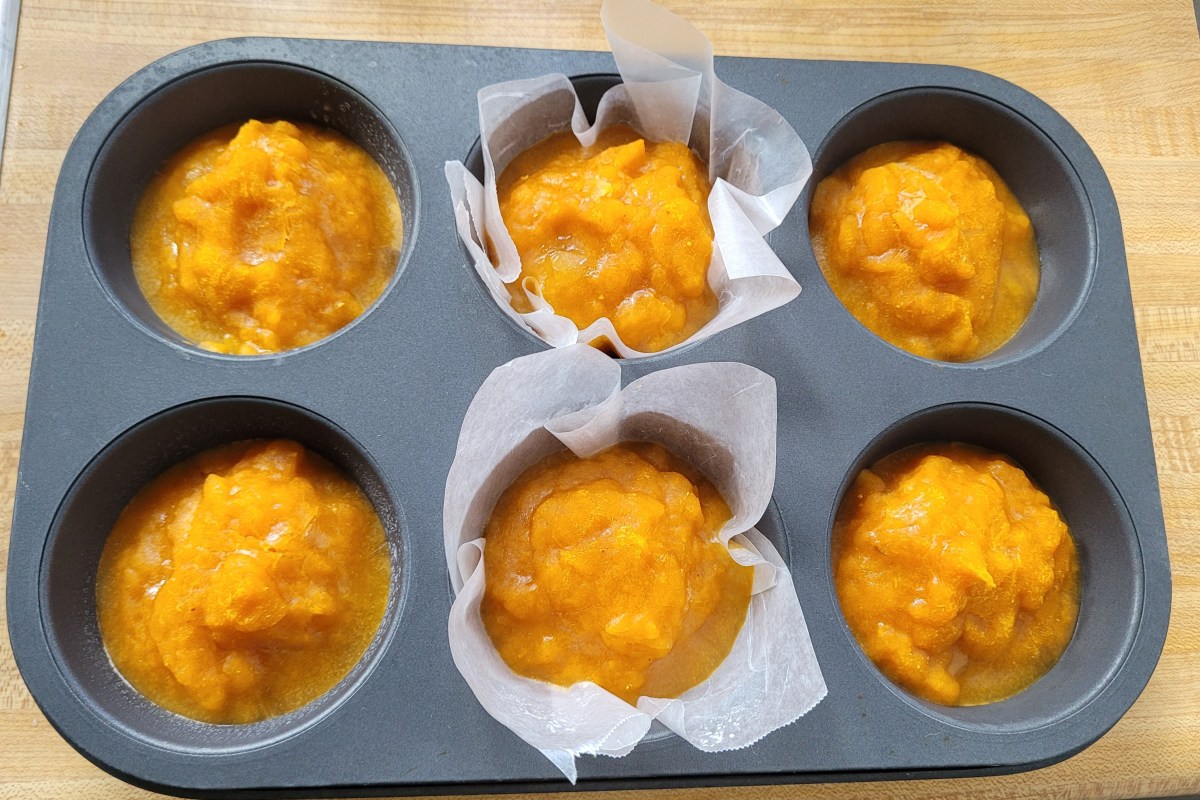
And I experimented with the best way to freeze pumpkin puree. Using a 1/2 cup measuring spoon and muffin pan, I tried three ways. Oiled, wax paper lined, and plain. The verdict?
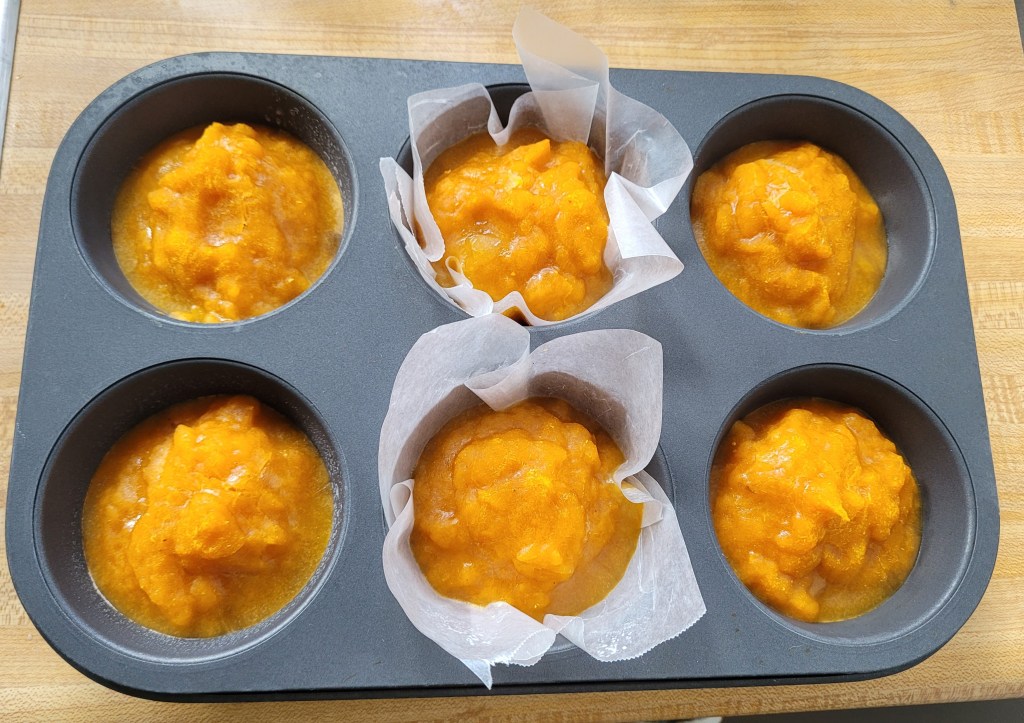
If your muffin pan is nonstick, save yourself time and oil. Plopping the pumpkin in plain lets it pop out easier than ice in an ice cube tray. Store in a zip top bag in the freezer for sauces, soups, and baked goods throughout the winter.

PSA: do not use wax paper, it sticks and tears and you’ll have to thaw the pureed pumpkin and start all over again. Or you can thaw it, add some maple syrup, and experiment with dehydrator pumpkin leather. Will it work out? Or will we end up with chunks of sweet, crunchy pumpkin bark? Update pending… still a few more hours of dehydrating to go.

All this from the typically discarded innards of carving pumpkins! Not yet pictured, from the intentionally roasted galeux d’eysines squash: ricotta and pumpkin manicotti, pappardelle pie, and likely some sweet treats to come.

Let me know if you are interested in any of the above recipes, and I’m open to suggestions on what to do with the remaining 10 or so pounds of orange gold!

Garden Affairs

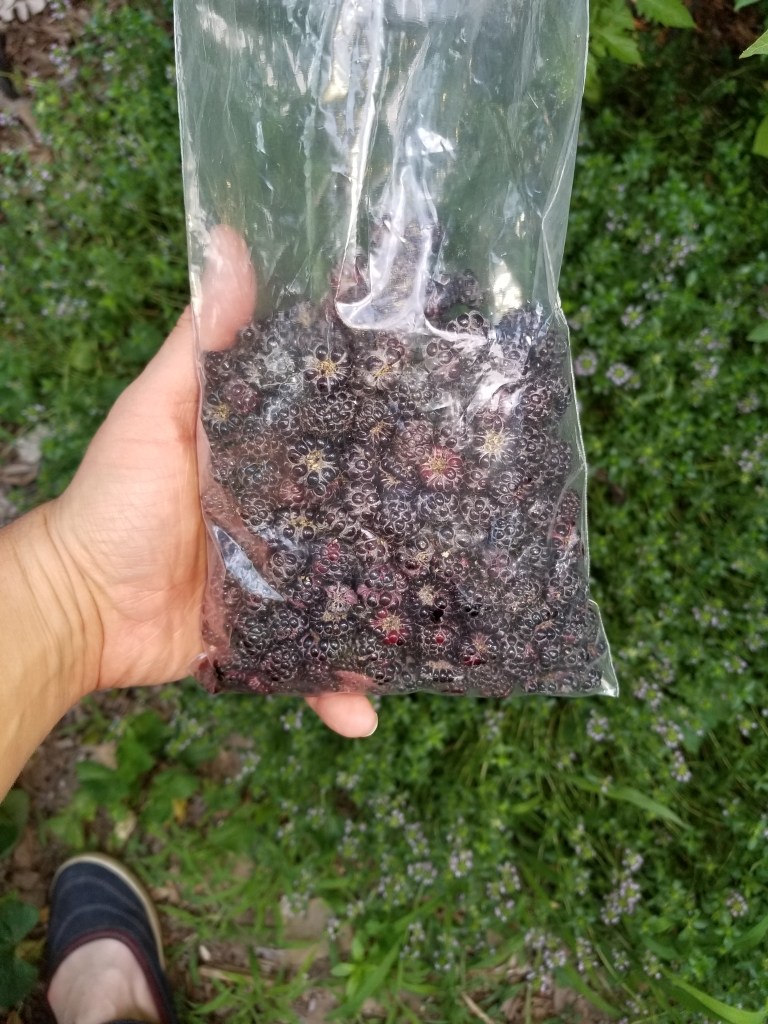
This is a spectacular time of year for my little patch of land. The black raspberries I inherited with this house are producing more than ever. The first year I lived here, I wrangled about eight away from the birds. This year? I’ve picked at least a pint each of the last five days!

I’m trying my best to weigh and record all the produce I produce, using current market prices to see what my work is “earning”.

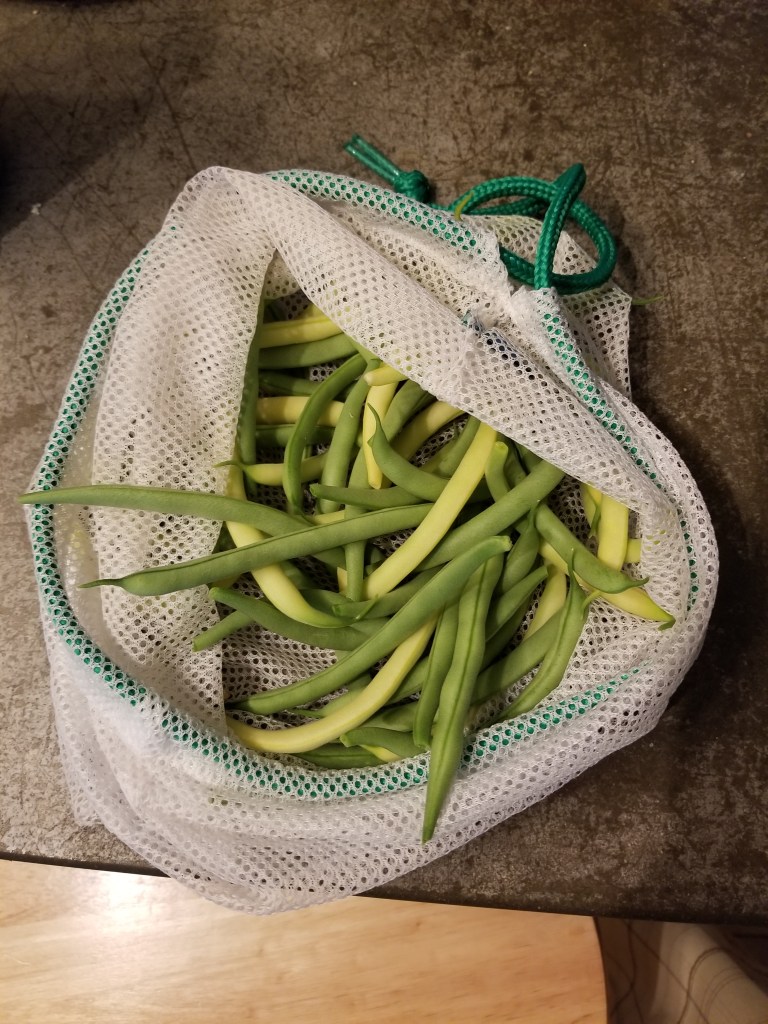
In addition to berries, the bush beans are thriving this year. I skipped planting them two or three years in a row due to poor germination and production. This year, I found a plastic bag of dried beans in the garage marked “bush beans” and figured it wouldn’t hurt to give it a try again. I remember that this bag was either mislabeled and actually vining beans, or I had mixed the two kinds together. So far there has only been one strange surprise: wax beans! I don’t remember ever having grown them, but here we are. As of now, I have picked a quart of beans each of the last three days. They need to be checked/picked every day once they start fruiting. Much like zucchini they will slow or stop production if one fruit is allowed to reach maturity. Also much like zucchini (and all squash), the plants are equipped with minuscule “hairs” that leave me with an unpleasant itchy skin rash. Thanks, nature!

I froze my first batch today, which reminds me I need to order more food saver bags. When freezing vegetables, it is imperative to blanch them first. Blanching, otherwise known as quick immersion in boiling water for 30 seconds to a few minutes followed by an immediate transfer to an ice water bath, inactivates the enzymes in the vegetable. Skipping this step can lead to undesirable colors or textures, such as browning or mealiness. I learned this the hard way with the oodles of sweet peas I froze last years, but mistakes are meant to be learned from.

In addition to putting up beans, I spent the early morning outdoors. We had our first rain in a few weeks yesterday, which brought slightly cooler temperatures and loose soil, prime for overdue weeding.

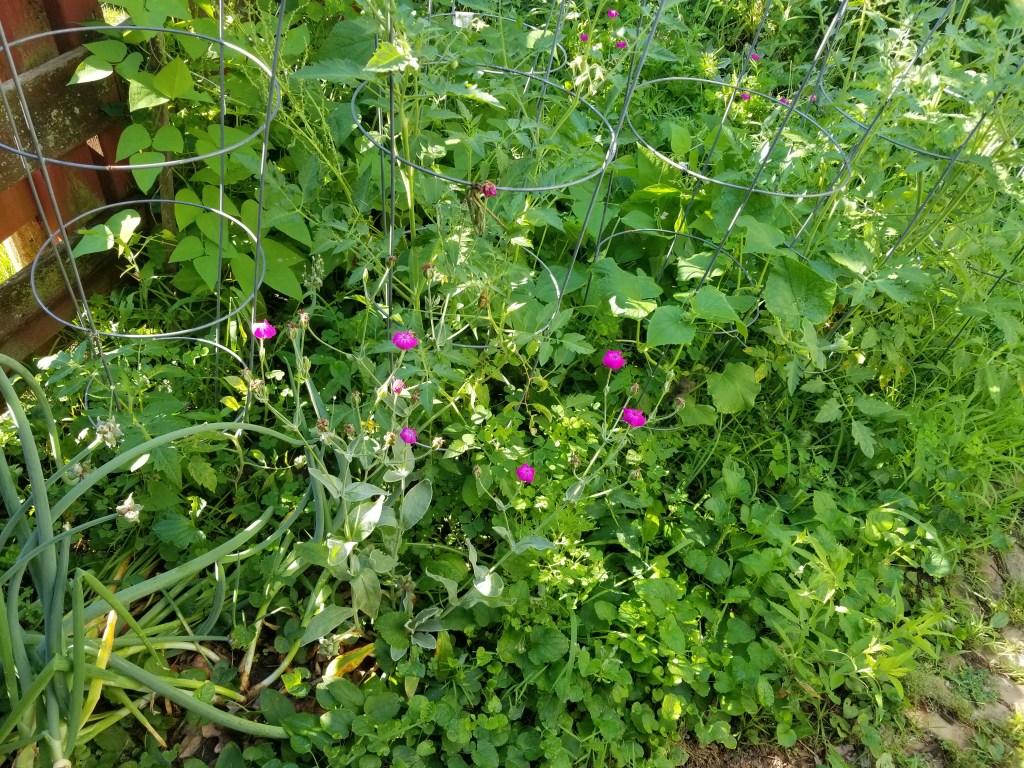
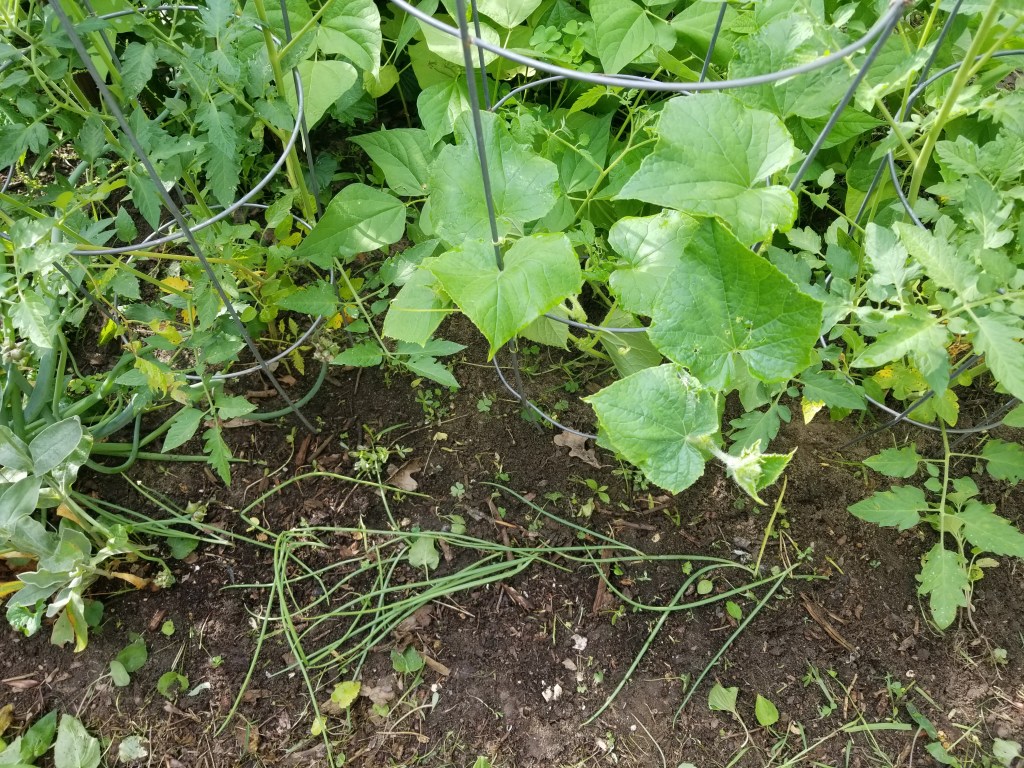
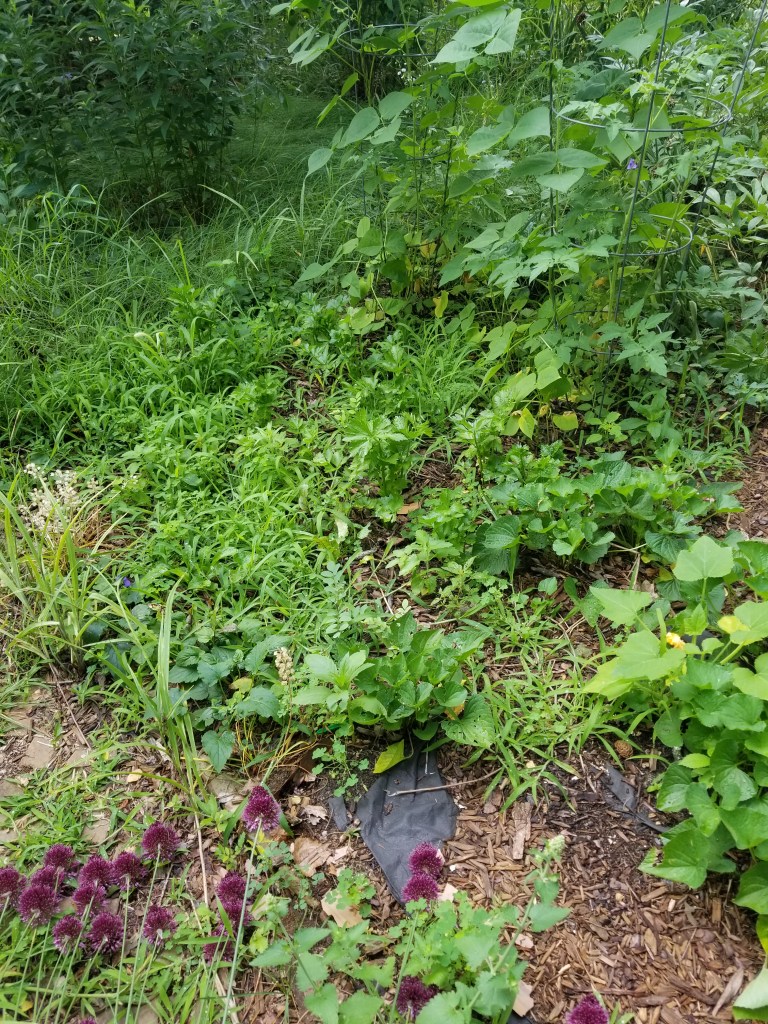
Oy, what a mess, right?! There are edibles intentionally planted there, I swear…

Edibles such as egyptian walking onions, red onions, leeks, celery, bush beans, lima beans, cherry tomatoes, and purslane (my favorite edible weed that I encourage to self seed each year).

The goal is improvement, not perfection.

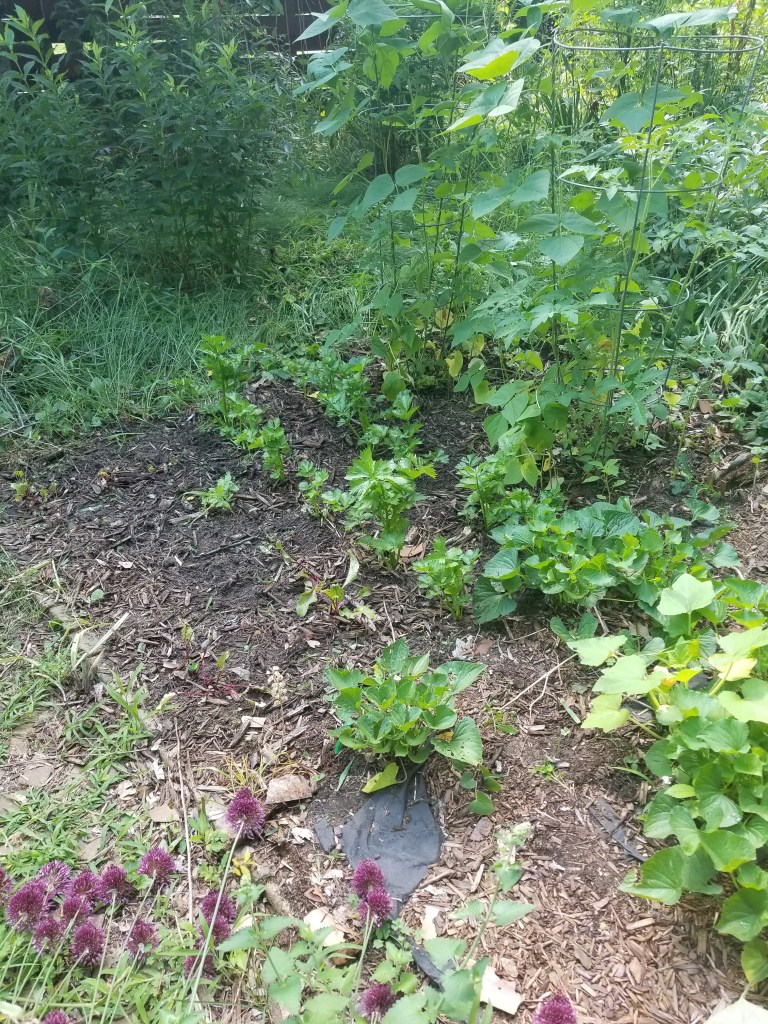
The second area I worked on is one of the last patches of garden converted from ornamental to production.

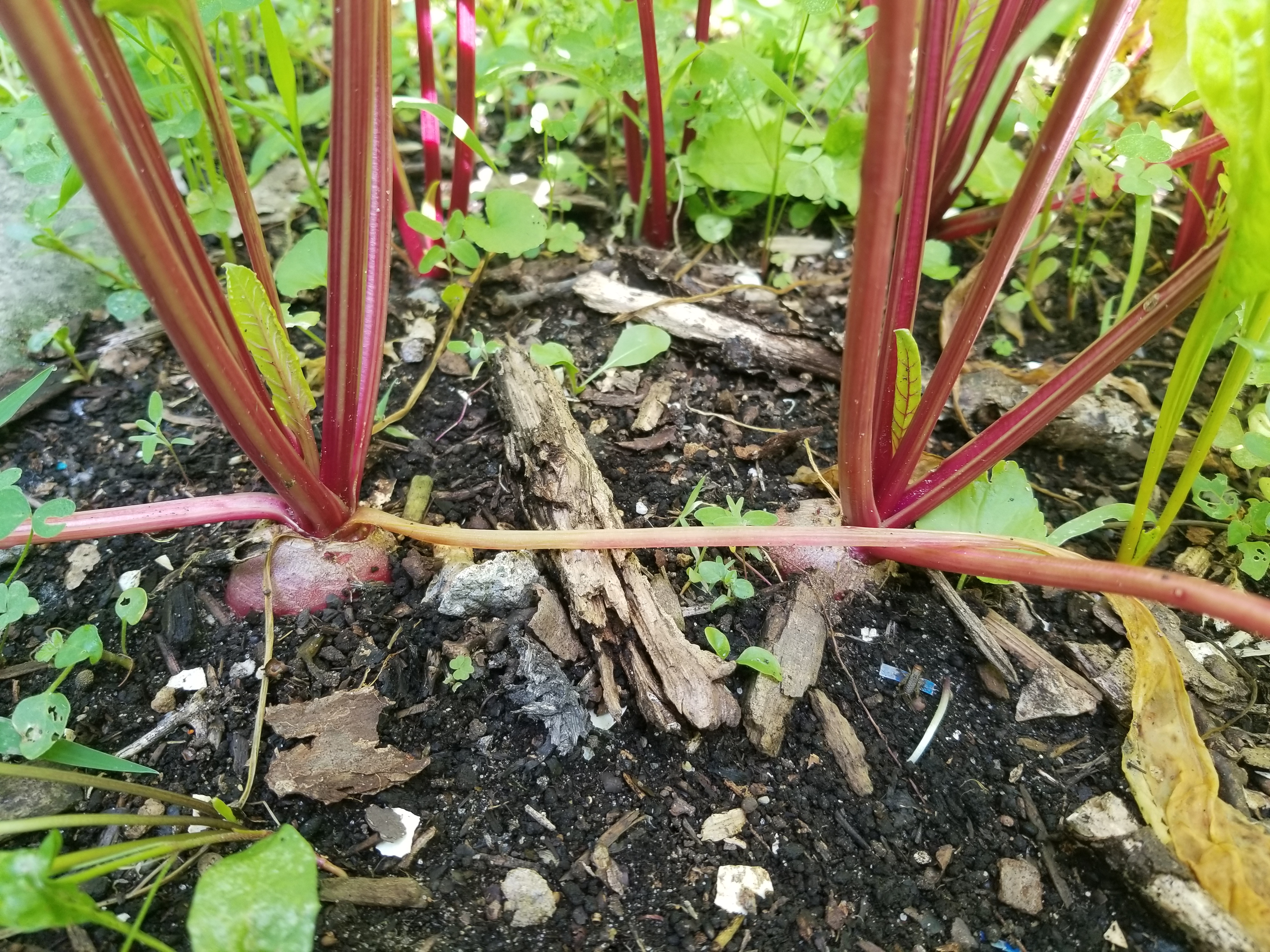
Beets, vine beans, cherry tomatoes, celery, and volunteer tomatillos. An honorable mention for the yellow crookneck squash and flowering wild onions.

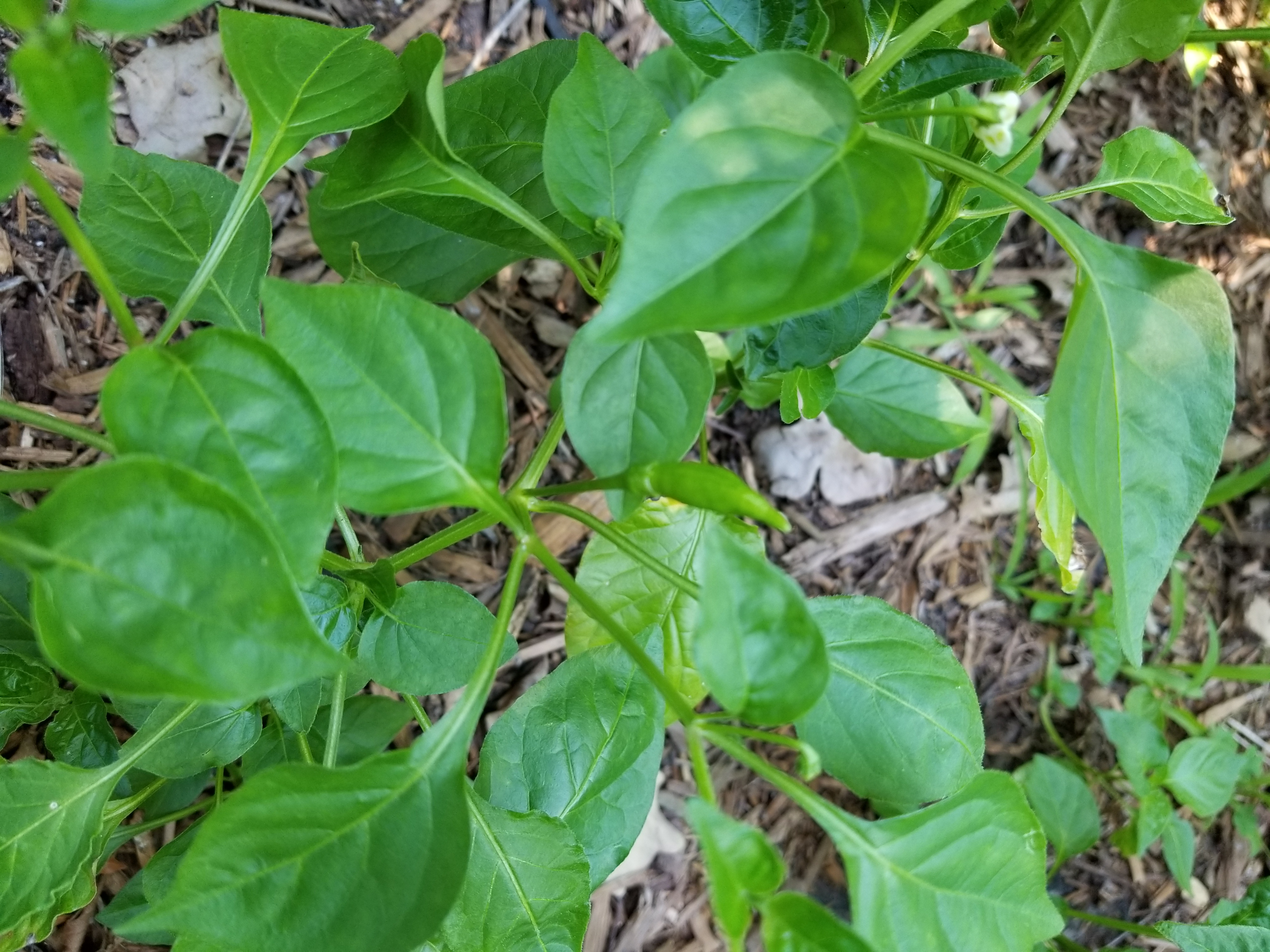
By that time, it was already approaching 90 outside, so I took a few more detailed photos before turning inside for the afternoon.

The world may be in chaos, but the garden provides predictable stability. I might not have enough beets for a standard victory garden, but I’m hoping to continue to supplement our weekly shopping and can salsa in a few months.

Are you growing anything delicious?